
10 must-have herbs for your garden
Read this article to learn more..
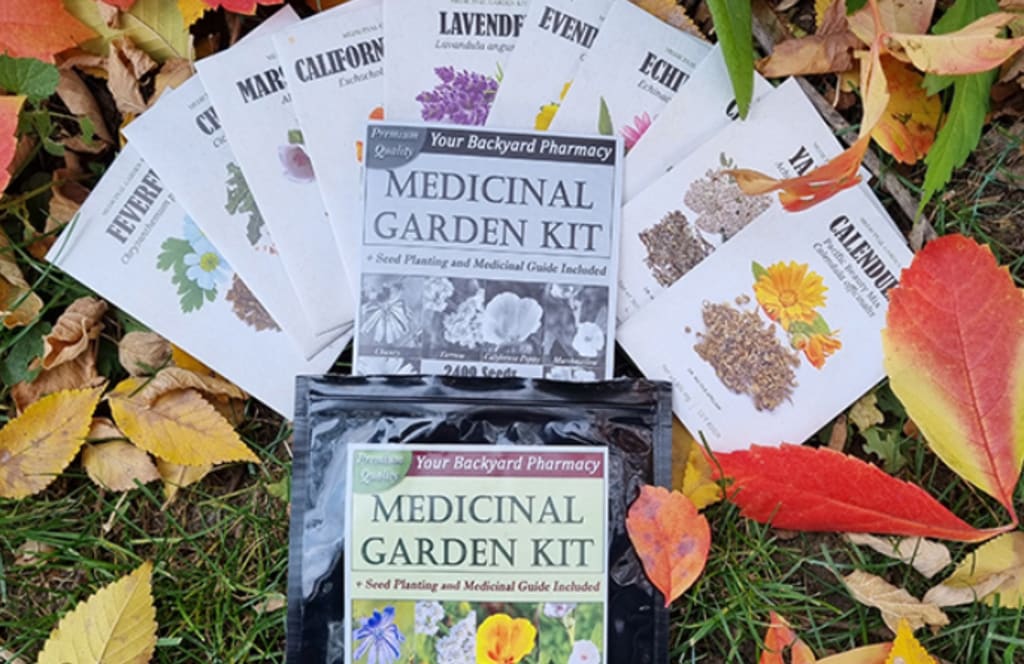
Herbs are a wonderful addition to any garden. Not only do they provide beautiful and fragrant foliage, but they also offer a bounty of culinary and medicinal uses. Herbs are easy to grow, low maintenance, and can be planted in a variety of ways - in beds, containers, window boxes, or even indoors. Whether you’re a seasoned gardener or just getting started, having a few must-have herbs in your garden is a great way to get the most out of your outdoor space.
1.Yarrow
Yarrow is an essential herb for any garden, and it's easy to grow! This hardy plant is a member of the Asteraceae family and produces flat clusters of small white or yellow flowers atop long, thin stems. It grows best in full sun, in well-drained soil with moderate moisture. Yarrow is known for its medicinal properties, and it has been used for centuries to treat a variety of ailments, including fevers, headaches, and skin conditions. Its leaves can be dried and used in teas, tinctures, and salves. Yarrow can also be used in the garden to attract beneficial insects, such as bees and butterflies, while repelling pests. Planting yarrow in your garden will provide you with a beautiful, low-maintenance perennial herb that can be harvested and used to improve your health and wellbeing.
2. California Poppy
The California Poppy is a bright and cheerful flower that grows wild in the western states. It is an easy to grow annual that will provide color to your garden all summer long. It is a low-maintenance plant and can be grown in full sun or partial shade. The delicate blossoms open in the morning and close at night, and they come in a variety of colors such as orange, yellow, red, and white. California Poppy is known to attract beneficial insects to your garden, including pollinators like butterflies and bees. They also act as natural pest deterrents due to their strong smell, which helps to repel common garden pests such as aphids and moths. California Poppies are also known for their medicinal properties and are used to treat a variety of ailments such as fever, headaches, anxiety, and depression. When growing California Poppies, it’s best to sow seeds directly into the ground after the last frost has passed. They thrive in well-drained soil that is kept moist but not soggy. Once established, the plants will self-seed themselves each year so they don’t require much attention. They can also be easily divided in the spring if you want to spread them out throughout your garden.
3. Marshmallow
Marshmallow is an herbaceous plant in the mallow family and a beloved addition to many herb gardens. Its delicate, light purple blooms provide beauty and texture to any garden. The herb is known for its anti-inflammatory properties and is traditionally used to soothe digestive issues and skin irritation. Marshmallow grows best in rich, moist soil and in full sun or partial shade. This plant prefers cooler climates, so it may not survive a long, hot summer. The plants can reach up to 4 feet tall and have a spread of 3 feet. To keep the plant from becoming too tall and lanky, pinch off the tips of the stems when they are 2 feet high. Harvesting marshmallow leaves is best done in the morning. The leaves can be dried for future use in teas and tinctures. To make marshmallow root tea, add 1 teaspoon of dried root to 1 cup of hot water, steep for 10 minutes, strain, and enjoy!
4. Chamomile
Chamomile is a classic herb that has long been used to treat ailments from insomnia to upset stomachs. It has a light, sweet, and slightly bitter flavor, making it an excellent addition to tea or cocktails. The plant itself is low-growing with small daisy-like flowers that have white petals and yellow centers. It’s easy to grow and does well in both sunny and partially shaded areas of the garden. Chamomile makes a great addition to any garden, and it also attracts bees, butterflies, and other beneficial insects. The flowers can be dried and used for medicinal teas, as well as for flavoring foods like salads and soups. To use the dried herb, simply add 1-2 teaspoons to a cup of boiling water. Allow the tea to steep for 10 minutes before straining and enjoying.
5. Evening Primrose
Evening primrose (Oenothera biennis) is a medicinal herb native to North America. It has delicate, white or yellow-white flowers that open in the late afternoon or evening and release a sweet fragrance. The plant is a member of the Onagraceae family and is related to the evening primrose found in Europe. The oil from the evening primrose plant has been used for centuries to treat a variety of medical conditions, from PMS and menstrual cramps to rheumatoid arthritis, eczema, and asthma. Studies have suggested that it may be effective for these conditions, though more research is needed to confirm its efficacy. In addition to its medicinal uses, evening primrose is also a beautiful ornamental flower. Its bright, fragrant blooms make it a popular choice for gardens and flowerbeds. It is easy to grow and can thrive in almost any soil type. Once established, it will self-sow, providing colorful blooms throughout the summer months. It’s drought-tolerant, so it needs very little water or maintenance to stay healthy and vibrant. In conclusion, evening primrose is an excellent addition to any garden, offering both medicinal and ornamental benefits. Its beautiful blooms make it a great choice for anyone looking to add a splash of color and fragrance to their outdoor space.
6. Lavender
Lavender is one of the most popular and widely recognized herbs in the world. Its sweet scent is beloved for aromatherapy, and its ability to attract pollinators is a valuable asset to any garden. A member of the mint family, lavender is an easy-to-grow herb that adds a touch of grace to any outdoor area. It can also be used to make teas, potpourri, and various skin care and beauty products.
When growing lavender, it’s important to plant in a sunny area with well-drained soil. The best time to plant lavender is during the spring or fall, as it is not a fan of extreme heat or cold. Additionally, lavender prefers neutral pH soil and will benefit from a deep watering once every two weeks. When properly cared for, lavender plants can last for many years.
Once harvested, lavender can be used in a variety of ways. Dried flowers can be added to tea blends, used for sachets and potpourri, and even added to bath salts. Lavender oil can be used for aromatherapy and topical applications, while fresh flowers can be used for culinary purposes such as flavoring honey and baking.Whether you are looking for a beautiful addition to your garden or an ingredient for your homemade products, lavender is the perfect herb for you. With its delightful scent and versatile uses, this herb is sure to become a beloved addition to any garden.
7. Echinacea
Echinacea, also known as coneflowers, is a type of flowering herb that is native to North America. It is highly valued for its bright and attractive flowers, but it also has many medicinal properties. Echinacea has been used for centuries to boost the immune system, reduce inflammation, and promote healing. It's also known for its ability to fight bacteria and viruses, making it an ideal plant for anyone looking to protect their garden from pests and disease. The leaves of Echinacea can be brewed into a tea, used in tinctures, or simply enjoyed as a decoration. In addition to its medicinal uses, Echinacea makes a great addition to any garden thanks to its bright purple or pink blooms.
8. Calendula
Calendula, also known as pot marigold, is a bright, cheerful annual herb with a long history of medicinal use. Calendula flowers have been used for centuries to treat wounds, inflammation and minor skin irritations, as well as stomach ulcers, digestive issues, and even depression. Its sunny yellow and orange blooms bring an inviting splash of color to any garden. Plus, they are also a favorite of pollinators like bees and butterflies!
Calendula’s healing properties come from its natural anti-inflammatory and antiseptic compounds, which can help reduce pain and speed up healing. To use it medicinally, you can make an oil infusion by soaking the flowers in a carrier oil for about 4 weeks, then strain out the petals before using the oil topically. You can also make a healing salve or tea from dried flowers, or use the fresh petals as a facial steam or rinse.The best way to get the most out of your calendula is to grow it in your garden. Calendula is easy to grow and thrives in full sun with well-drained soil. It’s also quite tolerant of cooler temperatures, so it makes a great choice for cooler climates. It will self-seed each year, so you’ll have a steady supply of flowers that you can harvest for medicinal uses or just to enjoy their beauty!
9. Feverfew
Feverfew is an aromatic herb that has been used medicinally for centuries. It is native to Europe and Asia but can now be found growing all over the world. The herb has white, daisy-like flowers that are popular in bouquets, and its leaves have a pungent aroma when crushed.Feverfew has anti-inflammatory properties and is often used to relieve headaches and reduce pain associated with arthritis and other inflammatory conditions. It is also known to have anti-fungal and anti-bacterial properties, making it a great addition to any garden. In addition to its medicinal uses, feverfew is also attractive in the garden and will attract bees and butterflies. Feverfew prefers well-drained, slightly alkaline soil, and grows best in full sun or partial shade. It can be planted either in the spring or fall and should be harvested before it flowers for the best flavor. The leaves can be dried and stored for future use or added fresh to salads, soups, stews, or teas.
10. Chicory
Chicory is an herb with a variety of uses, but its most common use is as a medicinal herb. It has been used to treat digestive issues such as constipation, upset stomach, and intestinal worms. It also has anti-inflammatory properties, making it a great addition to herbal remedies for inflammatory conditions such as arthritis and gout. In addition to its medicinal purposes, chicory is also popular for its culinary uses, such as coffee substitutes or additions to salads. Chicory has blue-purple flowers that attract butterflies and other pollinators, and it makes a great ornamental plant for your garden. It's easy to grow in sunny spots and can survive in dry soil. To harvest chicory for medicinal or culinary use, simply cut the flower heads when they are in full bloom and hang them upside down in a warm, dry place until the leaves and flowers dry out.
If you want to learn more on how to use these herbs, click here
About the Creator
Keep reading
More stories from writers in Earth and other communities.
UAE Weather Tomorrow: Rains Likely; Temperatures to Rise
The United Arab Emirates is preparing for a change in its weather conditions as forecasters predict rain and rising temperatures across the country tomorrow. Residents and travelers are advised to stay updated with local weather alerts, as the shift could affect daily activities, traffic, and outdoor events. Meteorologists have noted that this weather pattern is part of a seasonal transition, bringing a mix of showers, mild winds, and warmer daytime temperatures. The change comes after several days of relatively dry and moderate weather across the UAE. Expected Weather Conditions According to the National Centre of Meteorology (NCM), the UAE will experience partly cloudy skies in most areas, with chances of scattered rain showers in some regions. Temperatures are expected to rise slightly, reaching maximums higher than the recent average for this time of year. Specific forecasts for major cities include: Abu Dhabi: Cloudy periods with isolated showers; temperatures between 22°C and 30°C Dubai: Sunny to partly cloudy with chances of light rain; temperatures around 24°C–31°C Sharjah: Light rain expected in some areas; highs of 30°C Northern Emirates (Ras Al Khaimah, Fujairah): Increased cloud cover with scattered showers; temperatures between 20°C and 29°C The NCM has also issued a notice for occasional gusty winds, particularly along coastal areas, which may affect marine activities and beachgoers. Causes of the Weather Change Meteorologists explain that the predicted rains and temperature rise are linked to: Shifting air masses: Cooler air from the north interacting with the warmer Gulf air is causing cloud formation and occasional rain. Seasonal transition: As the UAE moves towards its warmer months, temperatures naturally rise, even as intermittent rain falls in some areas. Regional atmospheric disturbances: Occasional low-pressure systems over the Arabian Peninsula bring moisture from surrounding seas, increasing rain potential. While the rain is expected to be light to moderate, it can temporarily affect visibility and road conditions, especially in areas prone to water accumulation. Impact on Daily Life Residents and visitors are advised to consider the following due to the changing weather: Road Safety: Rain may make roads slippery. Drivers are encouraged to maintain safe speeds and keep a safe distance from other vehicles. Travel Plans: Flight schedules may experience minor delays due to weather-related air traffic adjustments. Outdoor Activities: Those planning outdoor events, picnics, or beach visits should check local forecasts and be prepared for sudden showers. Marine Conditions: Boating and fishing enthusiasts should note choppy seas due to gusty winds, particularly along the UAE coastline. Temperature Trends While rain is expected, temperatures are forecasted to rise slightly across the country. Daytime highs will generally reach 30°C to 31°C in major cities, with cooler early mornings between 20°C and 24°C. Meteorologists emphasize that even with rain, the overall trend points toward warmer daytime conditions, marking a transition into the pre-summer period. Nights may remain slightly cooler, offering relief from the daytime heat. Preparation and Precautionary Measures Weather experts advise the public to take simple precautionary measures: Carry umbrellas or raincoats when moving outdoors. Check local weather apps and official NCM updates regularly. Drive cautiously on wet roads and follow traffic advisories. Secure outdoor items such as furniture, tents, or decorations that could be affected by gusty winds. Stay informed about marine weather updates if engaging in boating or fishing activities. By taking these precautions, residents can safely navigate the changes in weather without significant disruption to daily life. Regional Weather Patterns The UAE’s weather is influenced by its desert climate, but seasonal shifts and occasional regional disturbances often bring short-term rainfall and temperature variations. Northern Emirates: More likely to receive rain due to proximity to the Hajar Mountains, which can trap moist air and cause showers. Central and Southern Emirates: Rain is usually less frequent, but isolated showers can occur, particularly near coastal regions. Coastal Areas: Experience higher humidity and occasional gusty winds, especially when rain systems pass through. Expert Advice Experts from the NCM stress that such weather changes are normal and seasonal. While heavy rains are unlikely, even light showers can temporarily affect commuting, outdoor plans, and local businesses. Meteorologists also advise keeping an eye on short-term forecasts, as local weather can shift rapidly due to regional atmospheric changes. Conclusion Tomorrow, the UAE can expect a mix of rain showers and rising temperatures, signaling a shift in the seasonal weather pattern. Residents are encouraged to stay informed, take necessary precautions, and plan outdoor activities carefully. While the rain may be light and scattered, its presence reminds everyone that even in a predominantly arid country, weather conditions can change quickly, affecting roads, travel, and daily life. With proper awareness and preparation, the UAE’s residents and visitors can navigate these weather changes safely while enjoying the mild rainfall and warmer daytime temperatures.
By Fiaz Ahmed 5 days ago in Earth
Man Shot Dead Was 37-Year-Old US Citizen, Minneapolis Police Chief Says
For many residents of Minneapolis, the news landed like a heavy blow. Authorities confirmed that a man shot dead during a law enforcement operation was a 37-year-old U.S. citizen, a detail that immediately intensified public reaction. What began as a breaking news alert quickly became a broader conversation about policing, federal authority, and community trust.
By Muhammad Hassan4 days ago in Earth
The Duelist
The rays of a dying red sun flashed against the onrushing blade. The grey beards say the key to dueling lies in size, speed, reach, righteous fury, whatever the person in front of them pays them to say. Matteo knew better than any it was none of these and had an undefeated record on these sands to prove it.
By Matthew J. Fromm3 days ago in Fiction




Comments
There are no comments for this story
Be the first to respond and start the conversation.