
10 Incredible Fly Facts
Want to learn more about flies? Stay tuned!

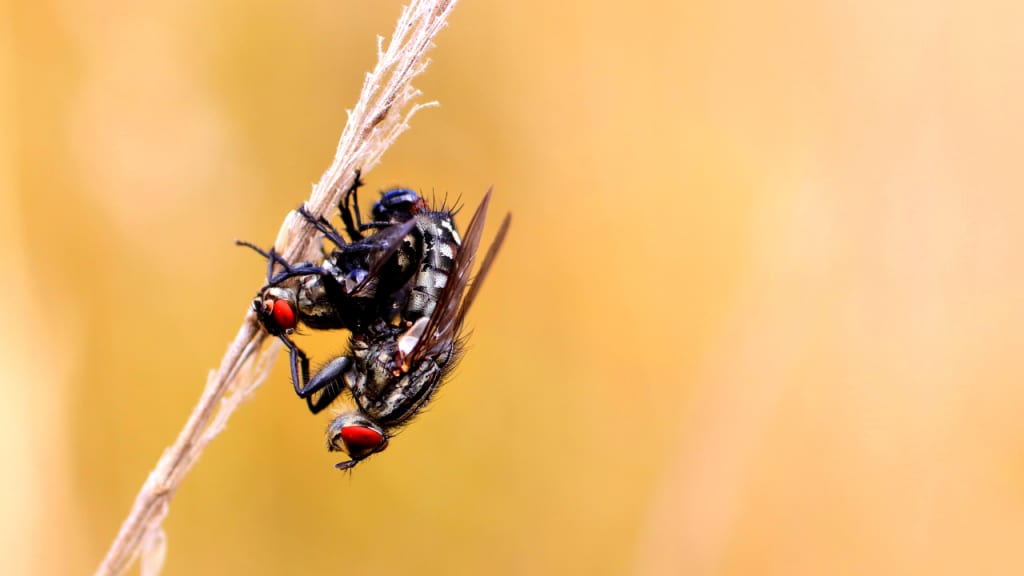
You probably don't give a lot of thought to flies. Who knew that the seemingly insignificant fly could be so fascinating?
There's something innately fascinating about flies. Maybe it's their aerial acrobatics or the way they seem to buzz around our heads incessantly. Whatever it is, there are some pretty amazing fly facts that are worth learning.
Here are 10 fascinating facts about them that will change the way you think about these little critters.
Fact #1
House flies may appear to be bothersome, but they have a very interesting diet! Because they lack the mouthparts required to chew food, they must rely on liquids for the majority of their diet. This means that they will have to drink their food rather than eat it.
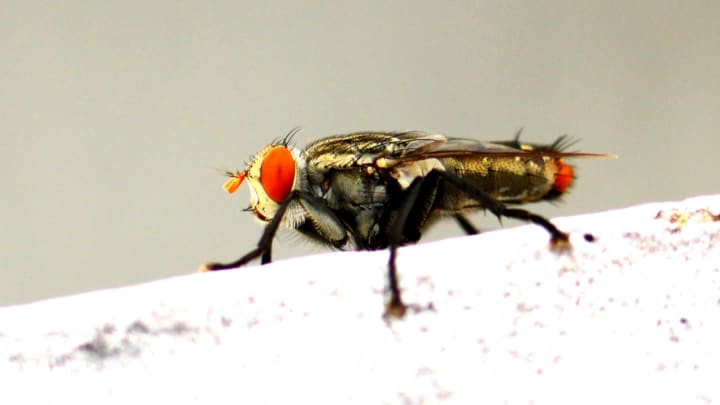
While this may appear to be a disadvantage, it also has advantages. House flies, for example, can survive on very little food. Second, because they don't have to chew their food, they can eat things that other animals can't digest. As a result, they are extremely adaptable and can live in a wide range of environments.
Fact #2
According to research, the "love spot" is a specific region within the eyes of a male fly. It is primarily used for detecting and pursuing female flies. This "spot" is located in their eyes' dorsofrontal region. This is commonly used to detect minor target motion. Male flies, on the other hand, use it to stay "locked onto potential mates during the aerial pursuit."
So, the next time you see a fly buzzing around your house, keep in mind that he's most likely looking for love.
Fact #3
The house fly is a common insect found throughout the world. These obnoxious creatures are notorious for their unsanitary breeding habits, as they will lay their eggs on feces, rotting carcasses, and decaying fruit.
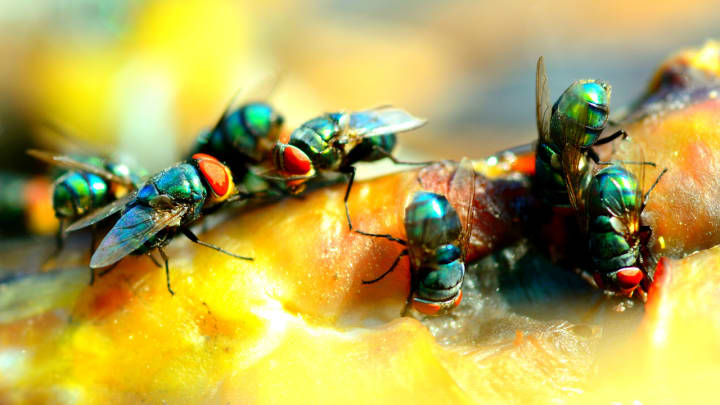
Why do house flies behave in this manner? It's mostly to give the larvae (maggots) something to eat when they hatch. The maggots will feed on rotting flesh or other organic material until they reach adulthood.
Fact #4
Have you ever tried to swat a fly with your hand? If that's the case, you're aware of how fast they are! In fact, their reaction times and agility are astounding.
House flies can process what they see and react to it at breakneck speed. To put things in perspective, our brains process approximately 60 images per second, whereas a fly can process approximately 250 images in a single second.
That means flies can see and respond to moving faster than humans, which is why they're so difficult to catch. They're also very agile, which allows them to easily avoid your swats.
Fact #5
Most people associate house flies with the annoyance and disease they can spread. Most people are unaware that house flies are actually quite amazing creatures!
Although they only live for about 30 days, they can lay up to 500 eggs during that time. And because those eggs hatch into new flies so quickly, an infestation can develop.
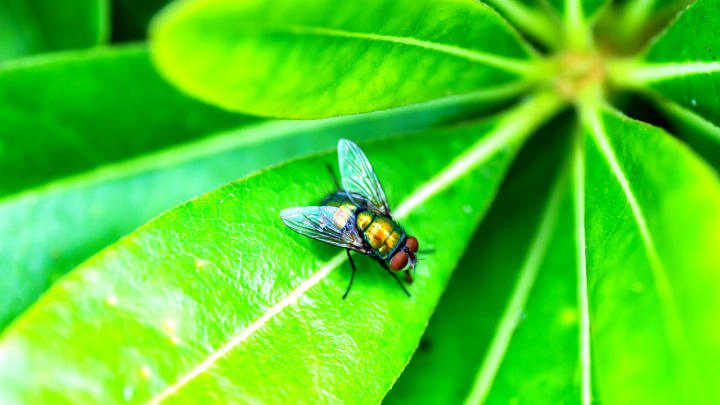
Despite their short lifespan, house flies accomplish a lot in a short amount of time. They help to break down decaying matter, which is beneficial to the environment. And, despite their appearance, house flies are actually very clean creatures that spend a lot of time cleaning themselves!
Fact #6
House flies have specially adapted feet that enable them to walk and climb on nearly any surface. Their footpads contain tiny hairs that produce a glue-like substance that provides excellent grip and allows them to scale various surfaces.
Furthermore, house flies have claws on their tarsi that allow them to cling to smooth surfaces. As a result, they are extremely adaptable creatures, capable of navigating almost any environment.
Fact #7
One of the most amazing abilities of house flies is their ability to see behind them. This is due to their compound eyes, which provide them with a nearly 360-degree field of view. This enables them to navigate while also keeping an eye out for potential hazards.
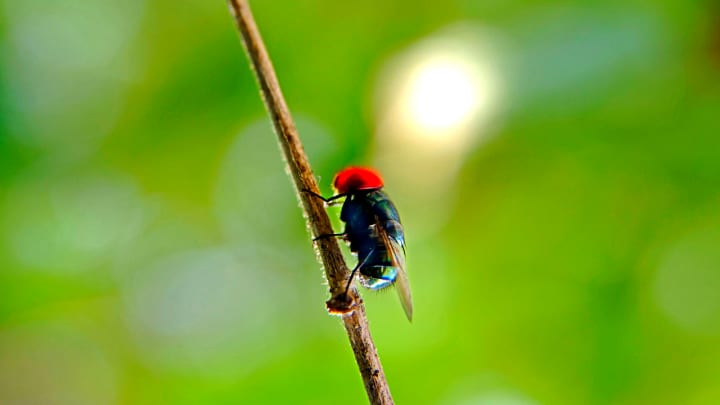
This is useful when they are flying around your house because it allows them to see what is going on behind them and avoid any obstacles. It's amazing how these tiny creatures can do so much with just their eyes!
Fact #8
House flies come into contact with a variety of harmful bacteria due to their feeding and breeding habits, including Salmonella and E.coli. As a result, house flies frequently to aid in the spread of these bacteria by contaminating items such as food and cooking utensils.
In fact, it is estimated that house flies are responsible for more than 60% of all foodborne illnesses in the United States. Gulp!
Fact #9
House flies are well-known for their voracious appetites. What many people don't realize is that these little creatures also enjoy poop! House flies, according to experts, defecate every time they land, even if it's on their next meal. Gross!
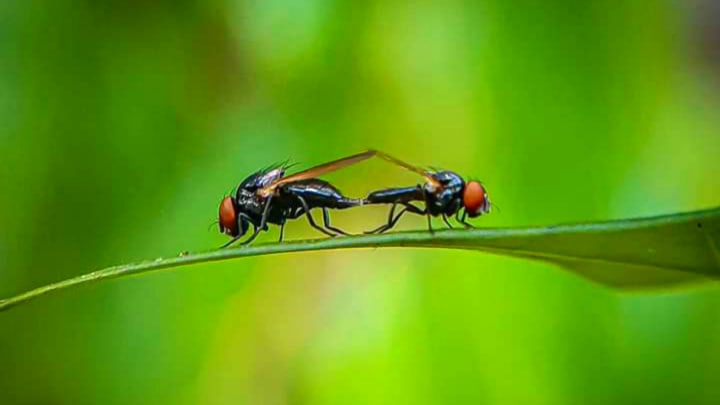
While this may appear to be a bad habit, there is a good reason for it. House flies eat a liquid diet, so their digestive system works quickly. This means they must get rid of all waste products from food digestion as soon as possible. Otherwise, those waste products would begin to rot and stink. Yuck!
Fact #10
Flies have the ability to taste food with their feet! This is due not only because of "chemonsensilla" receptors on the lower leg and footpads but also to using radar-like waves known as “echolocation” which allows them to fly around without touching anything at all while identifying what's nearby.
Conclusion
So there you have it – 10 incredible fly facts to amaze and astound your friends (and maybe even make them a little bit more grateful for being human). Flies may not be the most popular creatures on the planet, but they are certainly fascinating.
And remember, next time you see one buzzing around your house or landing on your food, just think of all the amazing things it can do!
About the Creator
Keep reading
More stories from Heather Whitney and writers in Earth and other communities.
Man (22) Charged With Murder of English Tourist in Temple Bar
Arrest and Formal Charges A 22-year-old man has been charged with the murder of an English tourist following a fatal incident in Dublin’s Temple Bar area. The charge comes after an intensive Garda investigation into events that unfolded in one of Ireland’s busiest and most popular nightlife districts.
By Aarif Lashari6 days ago in Earth
I was in a Toxic Relationship, with my Workplace
“You got that?” My ex yelled. His hands were balled into fists at his side. At six foot three, he towered over me. A normal person would have been afraid, but I looked up a video of George Lopez repeatedly saying, “I got this,” and showed it to him. I had grown used to this treatment, so much so that I didn’t blink when he ripped the phone from my hand and threw it across the room.
By Jade M.7 days ago in Confessions




Comments
There are no comments for this story
Be the first to respond and start the conversation.