
1.2-billion-year-old water found in South Africa: rich in rare helium that could change the energy landscape in large quantities
On Earth, water is very important for life, and it is an important part of the living body
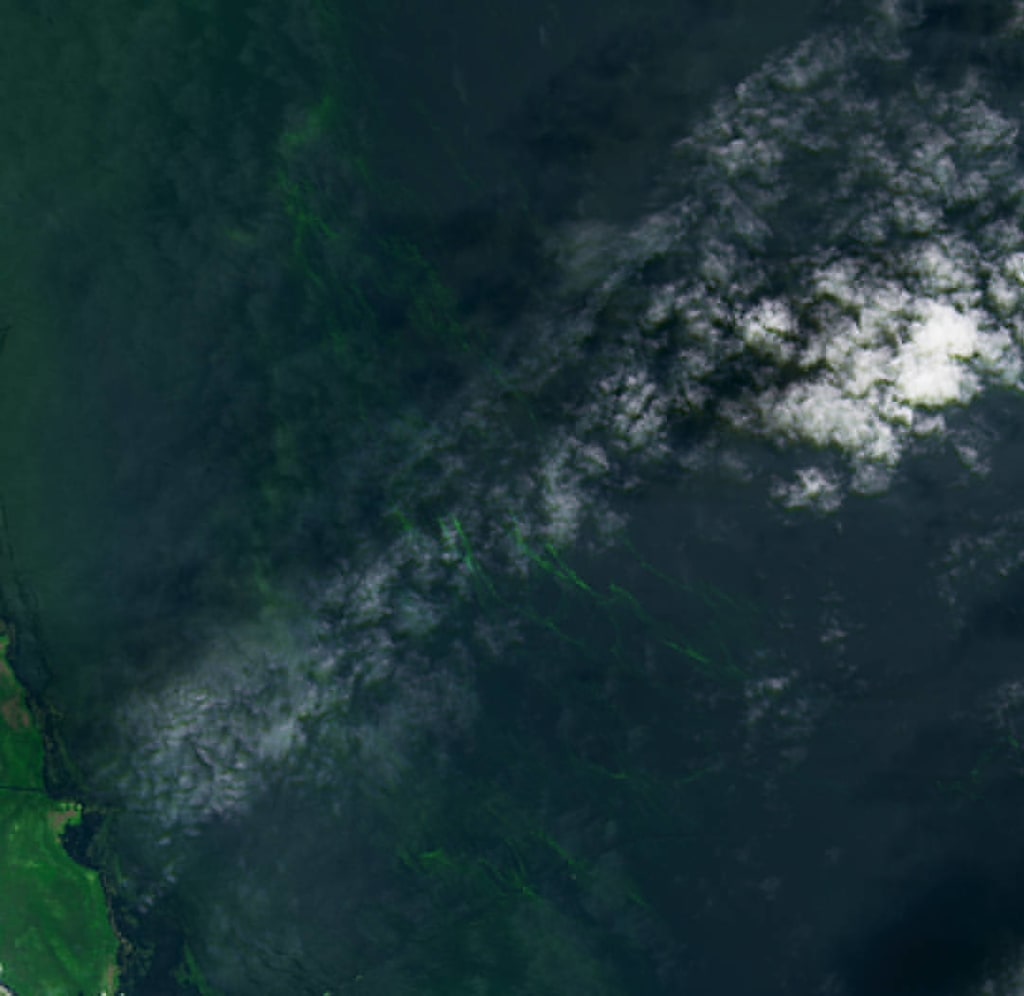
According to survey data, about 71% of the earth's surface is covered by water. Although water is relatively small in the air, it is also an important part of the air.
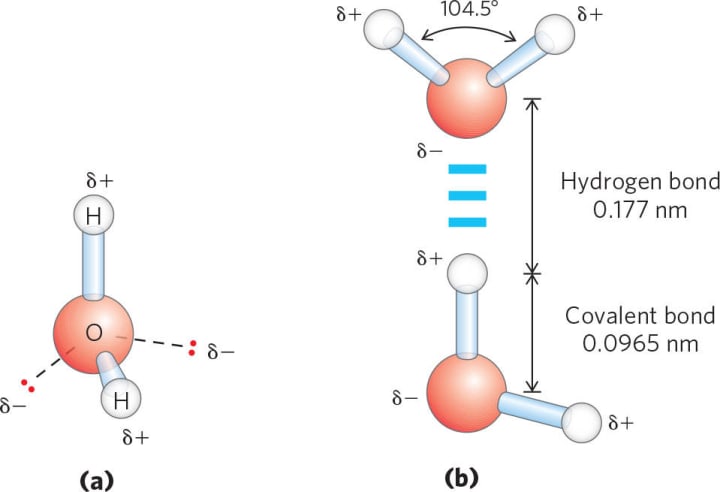
Water, at room temperature, is a colorless, tasteless and odourless liquid, which is mainly composed of hydrogen and oxygen. However, as science continues to explore, it has been discovered that there is still very "ancient" water on earth -- namely, ancient groundwater, which has caused a lot of hot debate.
But a study published in the journal Nature has reignited the scientific debate about ancient water -- more than a billion years and rare substances found in it -- in South Africa. We look at the formation of water source.
Where does the earth's water come from?
In fact, there are many opinions about where the earth's water comes from. Anyway, there are different opinions, mainly divided into two kinds of opinions -- respectively "exogenous theory" and "endogenous theory".
Exogenously - meaning that earth's water came from outside the earth - the main celestial bodies include comets and water-rich asteroids. When these objects hit the Earth, they would send water to the earth.
For example, the Japanese scientific research team on the asteroid probe "Hayabusa 2", from the asteroid "Ryugu" collected samples back to the analysis found that the asteroid "Ryugu" is rich in minerals formed after the reaction with water, so it can be believed that the formation of "Ryugu" of the original body may contain a lot of water.
At the same time, the asteroid ryugu sample itself also detected 23 amino acids, including those closely related to life activities. So this discovery also raises the possibility that life on Earth may have come from beyond earth.
However, among other scientific findings, most of the cometary water's chemical composition does not match that of Earth water, so the exogenetic theory remains controversial. And then there's what we call the endogenous theory.
Endogenesis -- the idea that water exists on earth itself. Because according to the theory of earth's formation, the Earth was originally formed from the fractionation, collapse and condensation of primordant solar nebula gas and dust.
These coalesced planetesimals continued to coalesce to form planetary embryos, which then grew larger to form the proto-Earth. So, when the Earth began, it was made of material that contained water. Later, under the continuous evolution of the earth, also formed the earth's lakes, rivers and so on.
Other theories, of course, are that the Earth itself has no water, but that the abundant hydrogen in the earth's interior reacted with oxygen in the Earth's mantle over time to form water.
An analysis of the earth's mantle and meteorites found that water appeared on earth much later than previously thought, according to the journal Nature.
So, the argument that water is the formation of the earth from the ice on the surface of meteorites is characteristic of refutation. But in the end, there is no certainty about how the water came to be. But this time, the discovery of "ancient groundwater" on Earth is more inclined to support the "endogenous theory".
Ancient underground water dating back 1.2 billion years has been discovered in South Africa
Of course, as far as ancient groundwater is concerned, 1.2 billion years of water is not that old. In 2013, ancient groundwater dating back 3 billion years was discovered beneath Canada.
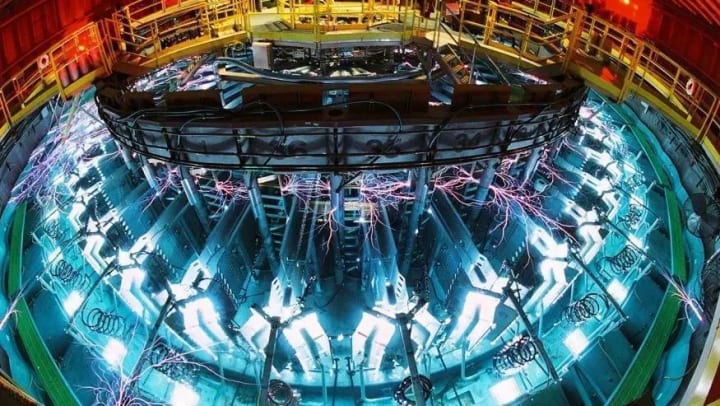
The discovery was made in South Africa in a site called Moab Khotsong, about 161 kilometers southwest of Johannesburg, in one of the deepest mines in the world, about 3 kilometers underground.
So, it's not easy to find this one, hidden so deep underground. And after the discovery, according to the researchers, it's an exciting discovery. This area is completely different from other areas.
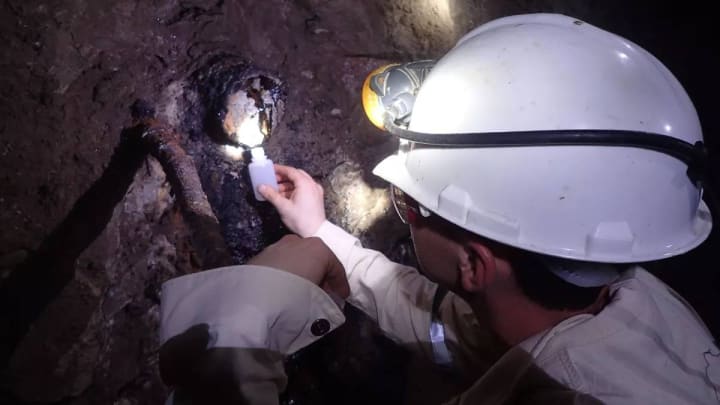
Belong to mining area in this area, geological characteristics are different. And when the miners were drilling, the water that was trapped in the rock gushed out -- like a balloon piercing the water -- and we were able to capture it.
The footage also shows the researchers collecting them in bottles. The discovery could also provide new insights into the chemical interactions of surrounding rocks -- for energy production and storage in the earth's crust.
Meanwhile, the researchers, whose findings are published in the journal Nature, say groundwater found deep underground in a South African mine is ancient water dating back 1.2 billion years. The water, however, is not the point. The point is that rare energy materials have been found in it.
Rare helium energy found in ancient groundwater
Oliver Wall, a research associate in the Department of Earth Sciences at the University of Toronto in Canada and author of a new study on groundwater discoveries, described the site as "Pandora's helium box" because of the rare energy materials found inside it, in a statement.
This ancient 1.2-billion-year-old groundwater in the south has high concentrations of radioactive products-elements produced by radiation-suggesting that ancient groundwater sites could one day become energy sources, or change the energy landscape.
After Moab Khotsong collected samples, the international team of researchers found that the water contained similar unusual characteristics. In the deep environment, water is preserved in cracks in the rock, interacting with each other over time and then decaying over millions or even billions of years to produce inert gases.
At the same time, along with the rare gas accumulation in the water, so the researchers in the collected samples, found that the composition of containing high salt, and the content is about 8 times of sea water, at the same time, is the discovery of a variety of rare material, contains uranium and radioactive helium, neon, argon, krypton and xenon material, so the water is really extraordinary.
Hydrogen and helium, which are both important sources of energy, are "squeezed" in water. According to the study, the discovery provides a previously "never-before-seen" result in the diffusion of helium from deep within the Earth, an important process to consider as we face a continued helium shortage of energy materials, as it could have implications for energy production below the surface of other planets.
Speaking of helium, of course, we think of the helium - 3 on the moon, science report on the meeting, held in the Shanghai association for science and technology in our country is pointed out that the helium - 3 the number on the moon, is expected in the soil of the moon is about 1 million - 5 million tons, and this kind of material belong to safe, clean, cheap controlled nuclear fusion energy raw materials, for tens of thousands of years, human demand for energy.
So, does that mean there are lots of them on Earth? It doesn't say, of course, how little helium we know there is on Earth, and it doesn't say how much water there is. If the amount of rare helium-rich water is large, it could change the energy landscape.
So, this time helium has been found in ancient groundwater, and if there's a lot of it, can we use it for decomposition? All we can say here is that we found it. If such water exists in large quantities, that means it's really possible to extract it and change the energy landscape of the planet, so we can look at subsequent results that are relevant.
About the Creator
Theresa W Chavez
A beauty creator, welcome to pay attention to me
Keep reading
More stories from Theresa W Chavez and writers in Earth and other communities.
More than 40 degrees high temperature in many countries! Will the climate change in 2022? La Nina is doing something unusual
It has to be said that the extreme weather phenomenon in 2022 is very obvious all over the world. However, climate change may not be over in 2022.
By Theresa W Chavez4 years ago in Earth
Stock Market Today: Nasdaq Futures Rise; Oil Skids After Trump Dials Down Iran Tension
If you’ve been following the markets this week, you’ve probably noticed how sensitive traders are to geopolitical headlines. On Thursday, Nasdaq futures rose, while oil prices dropped after U.S. President Donald Trump made remarks that dialed down fears of immediate military escalation with Iran. It’s a classic example of how news can move multiple markets at once — tech stocks climbing while commodities react in the opposite direction. Nasdaq Futures Bounce Back Technology and growth-focused stocks led the recovery in futures trading. Nasdaq futures climbed, signaling that investors are regaining confidence after recent volatility. Many traders have been cautious, with some taking profits from high-flying tech names, but today’s rebound shows that market optimism is returning. Corporate earnings are a big factor here. Several tech giants, including semiconductor and software companies, have beaten analyst expectations in recent weeks. These results support longer-term growth narratives, giving investors confidence that the tech sector can continue to outperform even amid economic uncertainty. For anyone watching the markets, this is a reminder: futures are forward-looking indicators. When traders see signs of stabilization — like reduced geopolitical tension or strong earnings — markets often react positively before the official trading session even begins. Oil Prices Fall Amid Eased Tensions On the flip side, oil prices skidded. The energy market had been pricing in potential supply disruptions due to the tension with Iran, particularly in critical regions like the Strait of Hormuz. But after Trump’s comments, traders interpreted a lower risk of military conflict, and crude futures dropped sharply. West Texas Intermediate (WTI) and Brent crude both saw declines of around 4–5%, as investors adjusted their positions. This shows how geopolitical risk premiums can inflate commodity prices — and how quickly they can disappear once the perceived threat diminishes. Lower oil prices are a double-edged sword. On one hand, cheaper fuel eases costs for consumers and businesses. On the other, energy companies and oil-exporting nations may face pressure on revenue and profits if prices remain soft. Why Geopolitics Moves Markets The Middle East continues to be a major driver of global market sentiment. Even the possibility of conflict in oil-rich regions can make investors nervous, sending equities lower and commodities higher. Conversely, statements that calm these fears can produce quick rebounds in risk assets like stocks and a decline in commodities like oil. This week’s developments show just how reactive the markets have become. A single remark from a world leader — in this case, Trump — can shift risk perception and trigger immediate moves across multiple asset classes. Earnings and Economic Data Still Key While geopolitical headlines dominate daily moves, corporate earnings and economic data remain critical for long-term market trends. Financial giants like Morgan Stanley recently reported results that beat expectations, boosting their stock prices and reinforcing positive sentiment in the sector. Investors are paying close attention to these fundamentals. Earnings reports and macroeconomic indicators provide insight into underlying trends, helping traders separate short-term volatility from sustainable growth. What Investors Should Watch For stock investors: The rebound in Nasdaq futures suggests that growth and technology stocks are finding support, but volatility is still high. Active risk management and portfolio diversification remain essential. For energy markets: Today’s slump in oil prices highlights how commodities react to geopolitical sentiment. Traders should watch for developments in the Middle East, as any escalation could reverse the decline in prices almost immediately. For global markets overall: Investors must balance multiple narratives — geopolitical events, corporate earnings, economic data, and interest rate expectations. This interplay shapes risk appetite and influences how capital flows across sectors and regions. The Takeaway Today’s market action illustrates a broader theme: markets are highly sensitive to shifts in risk perception. When geopolitical tension eases, equities tend to rise, and risk-sensitive commodities like oil fall. But when threats reappear, sentiment can flip, reminding investors that global markets are dynamic and interconnected. This combination of Nasdaq gains and falling oil prices isn’t just about numbers — it’s about investor psychology, risk management, and the speed at which news travels in our global economy. The lesson is clear: staying informed and flexible is more important than ever for anyone participating in today’s markets.
By Muhammad Hassan4 days ago in Earth
1600 People Reported Dead and 12 Homes Collapsed After a 4.7 Earthquake Struck Israe
**1600 People Reported Dead and 12 Homes Collapsed After a 4.2 Earthquake Struck Israel** Reports circulating after a 4.2-magnitude earthquake struck parts of Israel have caused widespread confusion and alarm, particularly claims stating that 1600 people were killed and 12 homes collapsed as a result of the tremor. The earthquake itself was felt across several regions, especially in the south near the Dead Sea and the Negev, prompting emergency alerts and heightened public concern. However, the scale of the reported casualties has raised serious questions, given the relatively moderate magnitude of the quake.
By America today 5 days ago in Earth



Comments
There are no comments for this story
Be the first to respond and start the conversation.