
More than 40 degrees high temperature in many countries! Will the climate change in 2022? La Nina is doing something unusual
Heatwaves and Fires Scorch Europe, Africa, and Asia
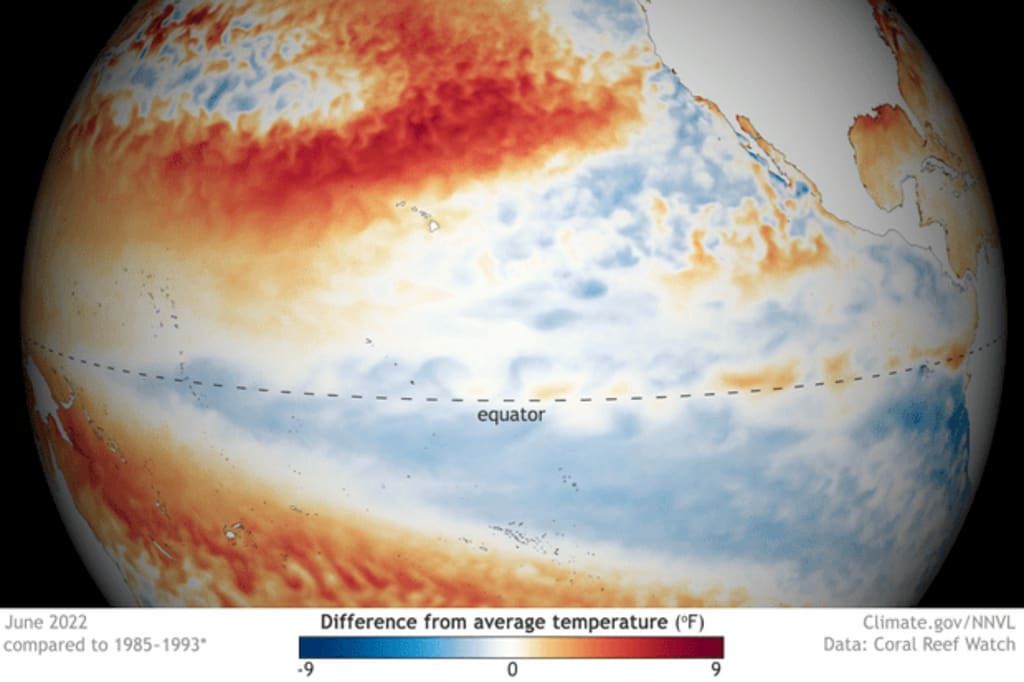
It has to be said that the extreme weather phenomenon in 2022 is very obvious all over the world. However, climate change may not be over in 2022.
NOAA, the Japan Meteorological Agency and other climate centers have again made statements about the next la Nina development. So, the climate change in 2022 was truly "extraordinary," so what could be the reason for the big change to continue in 2022?
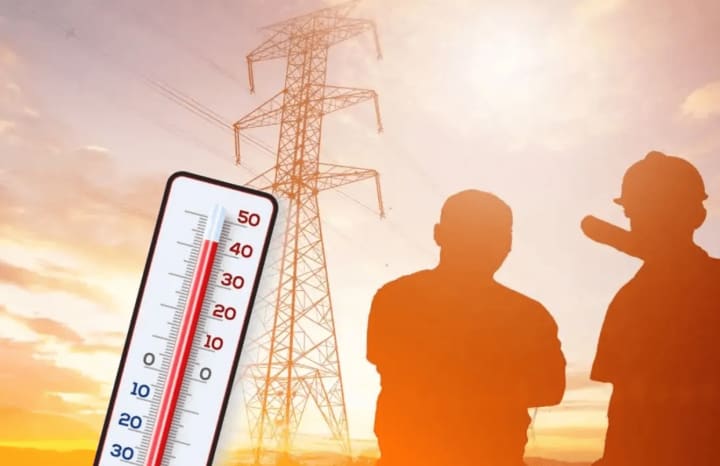
How extreme is earth change? More than 40 degrees high temperature in many countries around the world!
According to NASA statistics, heat waves were widespread in Both June and July 2022, occurring in Europe, North Africa, the Middle East and Asia -- with temperatures climbing above 40 degrees Celsius in some areas, breaking many long-term records. So, many countries in the world over 40 degrees high temperature.
At the same time, there are other extreme patterns of climate change under the chain effect of climate. For example: Western Europe has experienced a severe drought, and a heat wave has hit the planet -- helping to fuel wildfires raging in parts of Portugal, Spain and France.
Portugal saw temperatures of 45 degrees Celsius and more than 3,000 hectares of land burned. These areas, in terms of the geography of the earth, are indeed less likely to see such a climate shift, but extreme climate change in 2022 is already evident in many countries around the world.
For China, there is a rare heat wave phenomenon. Shanghai also recorded an extreme heat wave of 40.9 degrees Celsius, equaling the highest temperature in the city's 150-year record.
So, the changes on earth are really extreme. Statistically, at least, such shifts are already rare in 2022.
So the earth's "fireball" pattern seems to suggest that if this climate change continues, it's not such a good thing. Extreme climate change could have an even bigger impact on life on Earth.
The western Pacific subtropical high showed a strengthening pattern, while the Iranian high increased due to its eastward shift. The result? It's a bit of a stretch to hold hands with the high pressure in the Northwest Pacific. "Double high pressure" connected together, that will inevitably expand the coverage of high pressure, a large area of high temperature impact.
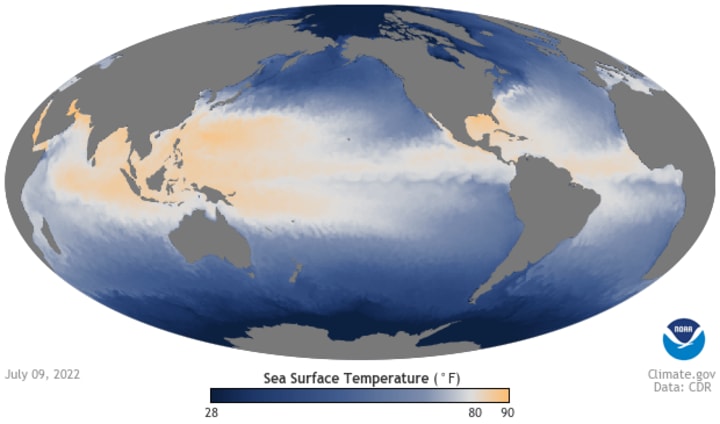
Secondly, under the influence of warm high pressure, prevailing downdraft is conducive to surface warming, which will also strengthen the rise of surface temperature.
Of course, the most critical is the impact of global warming, which can be said to continue to happen. According to the IPCC sixth Assessment report, global warming is happening, and the rate is increasing.
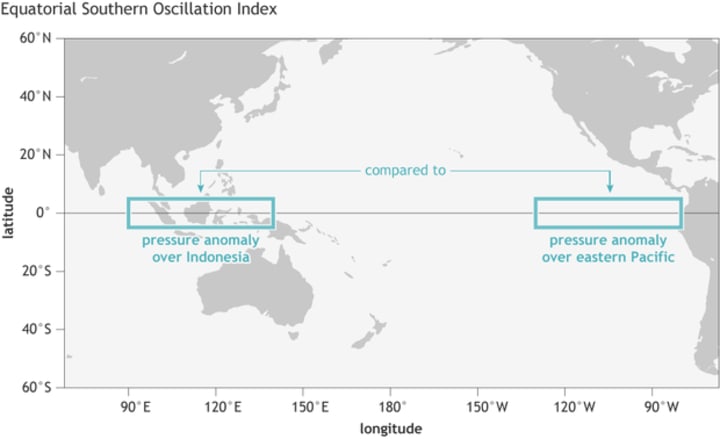
In the past 50 years, global warming is happening at an unprecedented rate since the past 2000 years, and the instability of the climate system is increasing. United Nations Secretary-General Antonio Guterres called it a "red alert for all mankind". So, the development of global warming leads to more abnormal atmospheric circulation, which triggers extreme climate shifts.
And in 2022, the World Meteorological Organization (WMO) issued a new trend, namely that there is a 50% chance that the global average temperature in the next five years will be 1.5 ° C above the pre-industrial level (1850-1900), and this probability will increase over time.
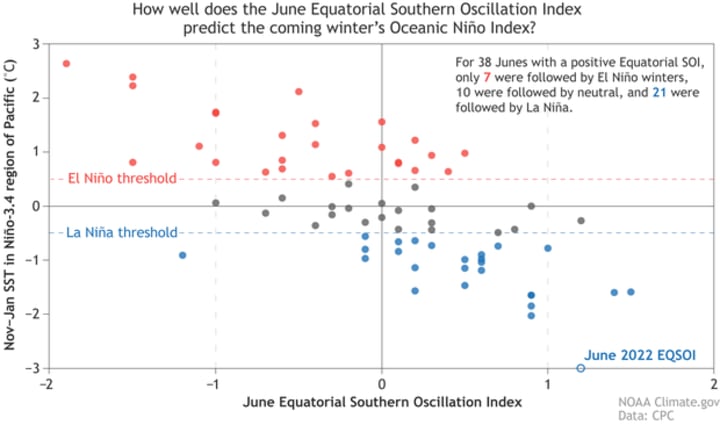
There is also a 93 percent chance that the five-year average global temperature between 2022 and 2026 will be higher than the previous five-year average temperature between 2017 and 2021. So, the earth will get hotter and hotter.
There is also the possibility of extreme weather shifts under La Nina.
And for 2022, we're also experiencing a new La Nina. You know, La Nina is still a "pause" in global warming, but the earth's climate change is so extreme, you can imagine this climate change is really different.
Of course, La Nina has a lot of bad things besides the "respite" from warming. According to statistical analysis, the subtropical high over the Western Pacific tends to drift northward in the summer following most La Nina events. So, this is one of the reasons for the ongoing heat wave in China.
However, the 2022 La Nina is not over yet, and the next shift could be even more special, with la Nina's effects likely to cause another major change.
Will the climate change in 2022? La Nina is doing something unusual
From the point of view of la Nina development, it is possible. Japan's Meteorological Agency, the United States NOAA also released a series of "La Nina" phenomenon development, "signs" and unusual.
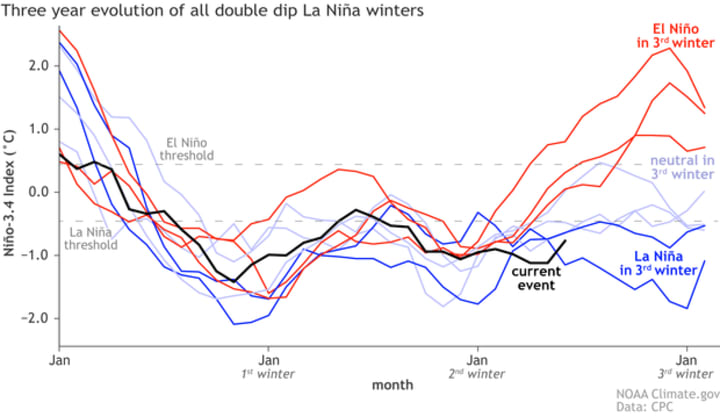
What unusual "sign"? In fact, the British journal Nature has also published a note, that is the rare "triple" La Nina weather events. So it's possible that the 2022 climate change will continue.
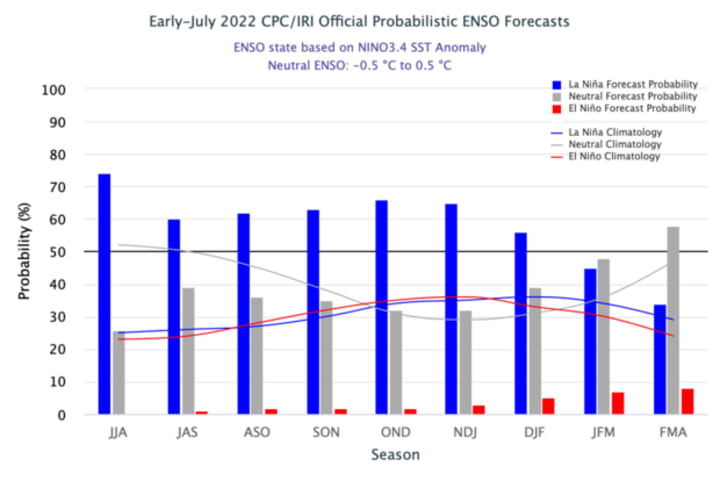
The Meteorological Agency said la Nina is continuing, with a 40 percent chance of summer and a 60 percent chance of ending in autumn.
According to NOAA, there is a slight difference, with a numerical 60 percent chance of la Nina persisting through the summer.
Although the trend of La Nina weakening appeared in June from the perspective of SST changes, the whole average value still remained at the threshold state of -0.5 degree, and the anomaly of Nino-3.4 region SST in the whole June was -0.8°C. So la Nina is still developing.
Since then, however, la Nina has been seen as likely to strengthen again. So there is a real possibility of a rare "triple" La Nina this year.
And in the scientific record, there has been a similar three-year la Nina in history, but it is very rare. Because very few, respectively 1998-2001, 1983-1986, 1973-1976. If it happens again in 2022, it will be rare indeed.
And if it does, it may bring about another major climate change, which will affect not only China, but even the world. Here we mainly explain our country. For China, under the development of La Nina phenomenon, the impact on rainfall in northern China may be obvious, mainly reflected in the possibility of more precipitation in northern China.
However, the range, center, intensity and other characteristics of the northern rainy area differ greatly in the following summer of different La Nina events, and these changes are mainly related to the development intensity and trend of La Nina phenomenon, and at the same time, it is also related to the seasonal trend of its own, anyway, it is a comprehensive influence.
There is room for la Nina phenomenon to change before the third "continuous occurrence". But what we can be sure of is that the earth's climate is changing, and we should respond to it. Global warming cannot be allowed to continue, or future climate patterns will be more complex.
About the Creator
Theresa W Chavez
A beauty creator, welcome to pay attention to me
Keep reading
More stories from Theresa W Chavez and writers in Earth and other communities.
Malted Wheat Flour Market Size and Forecast 2025
Malted Wheat Flour Market Overview Malted wheat flour is produced by germinating wheat grains, drying them, and grinding them into flour. This natural malting process activates enzymes—particularly amylase—that convert starch into fermentable sugars during baking. The result is improved dough fermentation, enhanced texture, increased loaf volume, and a richer, more consistent flavor profile in baked goods.
By Aaina Oberoi3 days ago in Earth
Neutraceutical Packaging Market Size and Forecast 2025–2033
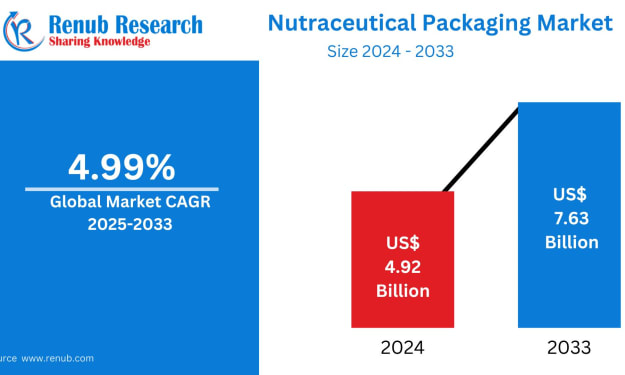
Neutraceutical Packaging Market at a Glance The Neutraceutical Packaging Market is projected to expand from US$ 4.92 billion in 2024 to US$ 7.63 billion by 2033, growing at a CAGR of 4.99% from 2025 to 2033. This steady growth reflects the accelerating global demand for dietary supplements, functional foods, herbal products, and wellness beverages. Rising health awareness, aging populations, sustainability expectations, the rapid growth of e-commerce, and evolving regulatory frameworks are reshaping how nutraceutical products are packaged, protected, and presented.
By jaiklin Fanandish3 days ago in Earth
Wild Card Weekend Recap: What Happens Now?
I think I figured out why I love Wild Card Weekend so much. It's because it's the first playoff anything of the calendar year. The NFL season starts in the fall, and once upon a time, the champion was crowned either on or slightly before New Year's. The evolution of the NFL schedule has resulted in the playoffs starting just into the New Year, and currently, the final week of the season falls on the first weekend of the New Year, with Wild Card Weekend coming a week after that. So yes, chronologically, the NFL's Wild Card Weekend serves as the first playoff anything of the calendar year.
By Clyde E. Dawkins6 days ago in Unbalanced


Comments
There are no comments for this story
Be the first to respond and start the conversation.