
The Failure of RPG Adaptations in Cinema: Why Hollywood Doesn’t Understand Role-Playing Games
Analyzing the Hits and Misses of RPG Adaptations in Cinema

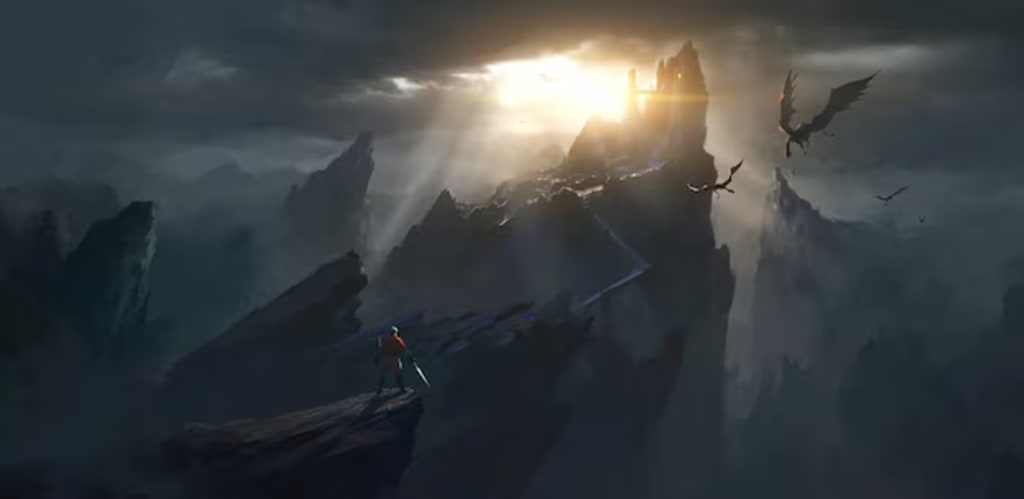
For decades, Hollywood has attempted to adapt role-playing games (RPGs) into movies, often with disastrous results. Whether it’s the infamous Dungeons & Dragons (2000) or other lesser-known attempts, RPG films frequently fail to capture the essence of the games they are based on. But why does this happen? Why do movies inspired by RPGs rarely succeed critically or commercially? This article explores the key reasons behind this ongoing failure and examines what Hollywood could learn to improve future adaptations.
The Fundamental Mistake: Focusing on World-Building Over Experience
One of the biggest mistakes filmmakers make when adapting RPGs is prioritizing world-building over the actual experience of playing the game. RPGs are immersive, player-driven experiences where storytelling emerges through interaction and decision-making. When these games are translated into movies, Hollywood often reduces them to their settings and lore, neglecting what makes them special.
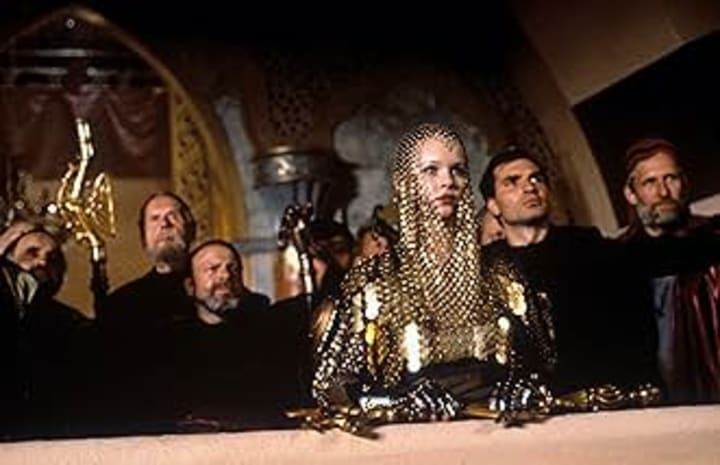
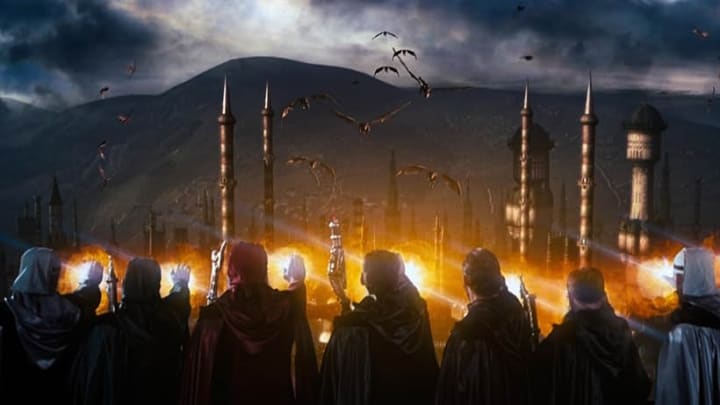
For example, Dungeons & Dragons (2000) focused on cramming in recognizable elements from the tabletop game—spells, monsters, and magic items—without capturing the spirit of adventure and collaborative storytelling that defines D&D sessions. The result? A hollow, uninspired fantasy film that could have been about anything.
The Narrative Trap: When Storytelling Becomes Formulaic
Another major issue is the way these films approach storytelling. RPGs offer open-ended narratives shaped by player choices, yet most movie adaptations force these dynamic worlds into rigid, predictable structures. Hollywood prefers straightforward hero’s journey plots with clear-cut protagonists and antagonists, but RPGs thrive on moral ambiguity, unexpected twists, and deep character development.
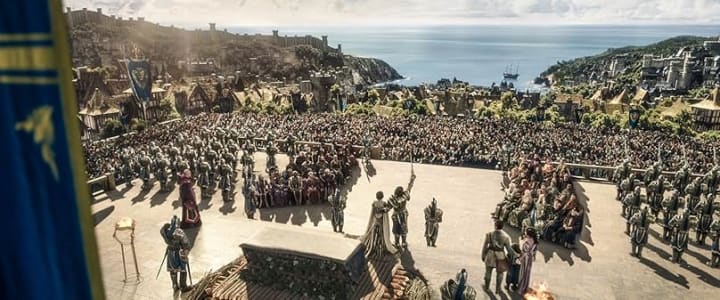
When filmmakers ignore this, the result is often a movie that feels generic rather than true to its RPG roots. Take Warcraft (2016), for instance. While visually stunning, it struggled to engage audiences because it attempted to condense years of game lore into a two-hour runtime. The movie felt like a highlight reel rather than an organic story, leaving both casual viewers and dedicated fans unsatisfied.
The Character Problem: Forgetting the Party Dynamic
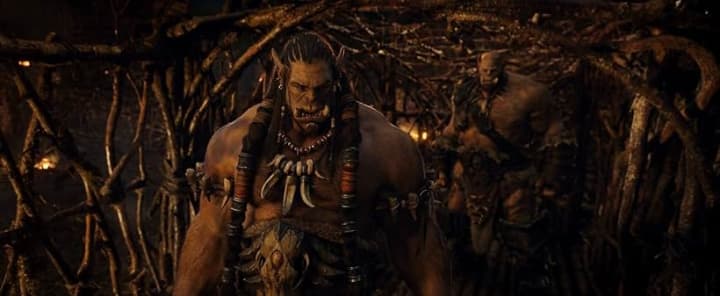
One of the greatest strengths of RPGs is the group dynamic. Players control unique characters with different personalities, abilities, and motivations, forming an unpredictable but engaging ensemble. This dynamic is difficult to replicate in film, where stories often revolve around a single protagonist.
Movies like Dungeons & Dragons (2000) and Warcraft (2016) struggle with balancing multiple characters, often sidelining compelling figures in favor of an uninspiring main lead. On the other hand, Dungeons & Dragons: Honor Among Thieves (2023) finally got it right by embracing the chaotic, humorous, and character-driven nature of an actual RPG campaign. Instead of focusing on lore, it prioritized an ensemble cast with strong chemistry, making the movie feel like a genuine D&D session rather than just another generic fantasy film.
What ‘Honor Among Thieves’ Got Right
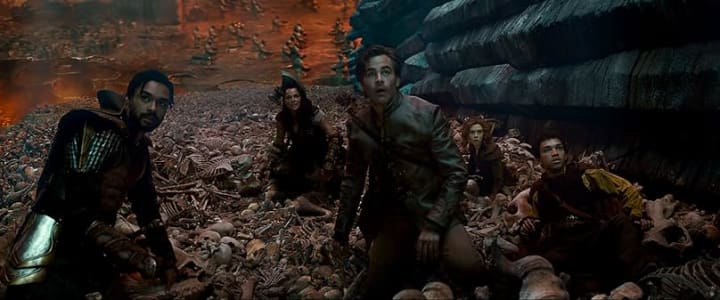
Unlike its predecessors, Honor Among Thieves succeeded because it understood what makes RPGs fun. The film’s humor, improvisational feel, and emphasis on teamwork mirrored the experience of playing a tabletop RPG. Instead of rigid storytelling, it allowed characters to make mistakes, adapt, and develop naturally—just as players do in a real RPG campaign.
Additionally, the film didn’t take itself too seriously. Many failed RPG adaptations try to create an epic, grandiose tone, but Honor Among Thieves embraced the often chaotic and comedic nature of role-playing games, making it a refreshing change from traditional fantasy movies.
Can Hollywood Learn from These Mistakes?
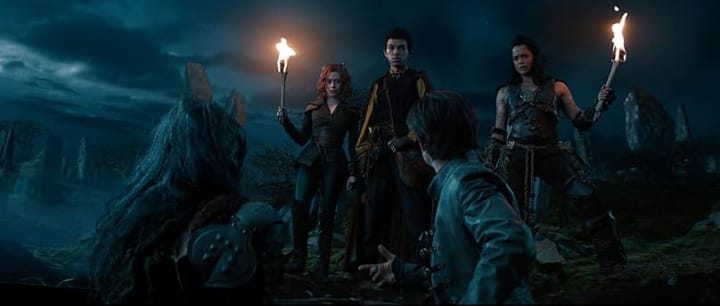
While Honor Among Thieves is a step in the right direction, the future of RPG adaptations remains uncertain. With more tabletop and video game RPGs being adapted into movies and TV shows, the industry must learn from past failures.
To succeed, future RPG films must:
Focus on storytelling that feels organic rather than overly structured.
Emphasize character dynamics over exposition-heavy world-building.
Capture the unpredictable, collaborative nature of RPGs.
Avoid taking themselves too seriously—embracing humor and improvisation.
If Hollywood can internalize these lessons, RPG adaptations might finally break free from their curse and deliver films that truly reflect the magic of role-playing games.
About the Creator
Bounty Hunter
RPG storyteller, worldbuilder and game designer exploring immersive narratives.
Keep reading
More stories from Bounty Hunter and writers in Critique and other communities.
Dungeons & Dragons: Honor Among Thieves – A Spellbinding Adventure with a Playful Twist
Hollywood has had a troubled history with Dungeons & Dragons adaptations, with previous attempts failing to capture the magic of the legendary tabletop RPG. However, Dungeons & Dragons: Honor Among Thieves (2023), directed by Jonathan Goldstein and John Francis Daley, breaks the curse by delivering an entertaining blend of action, humor, and high fantasy. Balancing a lighthearted tone with thrilling adventure, the film manages to honor the spirit of D&D while remaining accessible to a broader audience.
By Bounty Hunter about a year ago in Critique
Cassie and Johnny
I’m the kind of dame you notice. I’m no femme fatale, but you can’t ignore me, at least not until I warn you about what’s coming, then everybody ignores me. Hell, they usually blame me afterwards and give Johnny all the credit for saving the day, but my Johnny couldn’t save a seat at the movies without my help. Sure, he’s brawny, but brainy? Not so much. Like that time I asked him to spot me five bucks, and he said he didn’t see it anywhere on me, and believe you me, he looked but good.
By Harper Lewis18 days ago in Critique




Comments
There are no comments for this story
Be the first to respond and start the conversation.