
Why Everyone Suddenly Loves 'Quiet Luxury'—and Why It’s a Lie
The Truth About Quiet Luxury: Mindful Fashion or Marketing Hype

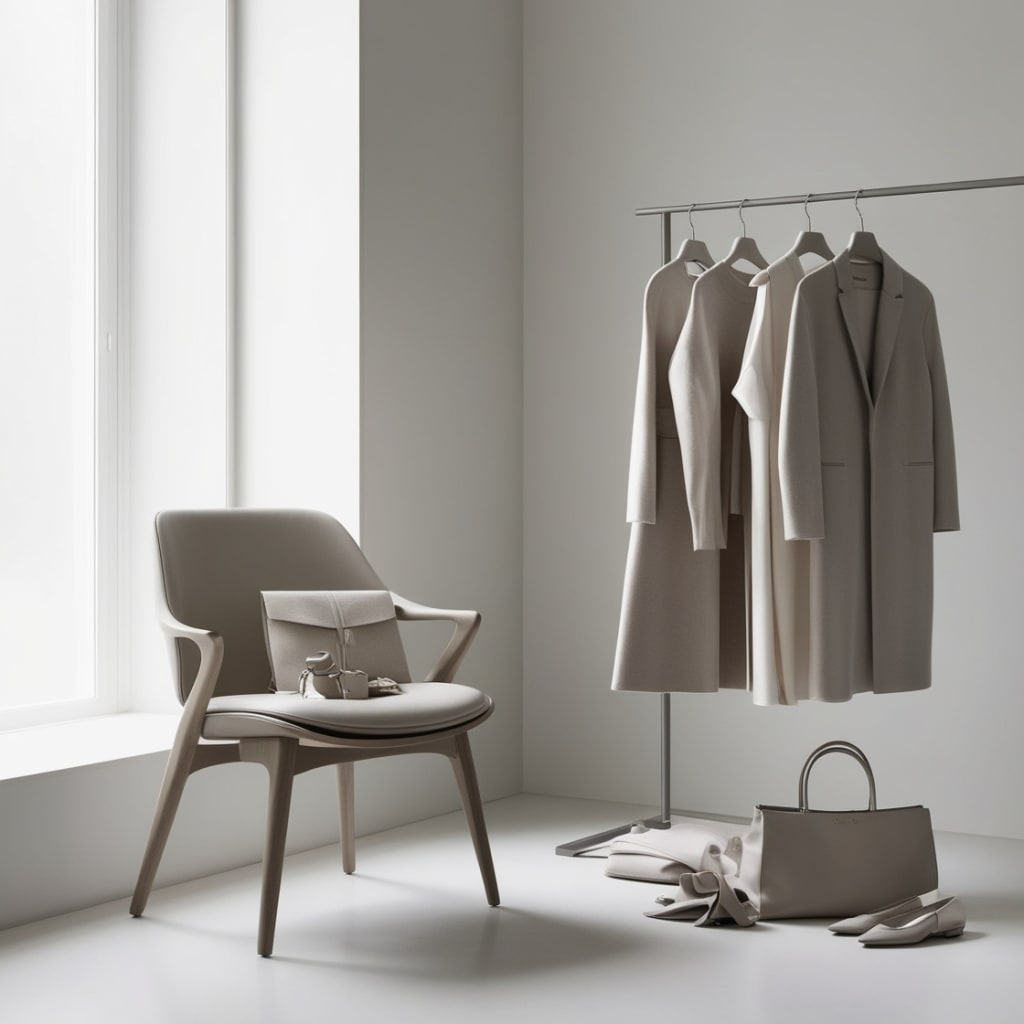
In recent years, a new trend has quietly taken over the fashion and lifestyle world—something called “quiet luxury.” It’s become the buzzword on social media, the darling phrase in magazines, and a must-know term for influencers, designers, and shoppers alike. But what exactly is quiet luxury, and why has it gained such a sudden surge of popularity? More importantly, is it really what it claims to be, or is there something deeper beneath the polished surface?
At its core, quiet luxury refers to a style and lifestyle that emphasizes understated elegance, quality, and timelessness over flashy logos or overt displays of wealth. Imagine classic pieces in neutral tones, fine fabrics, and impeccable tailoring—items that don’t scream designer but quietly signal exclusivity to those “in the know.” It’s the antithesis of the loud, logo-heavy fashion that dominated the early 2000s and early 2010s, where branding was everything, and bigger meant better.
The rise of quiet luxury can be linked to multiple social and cultural shifts. For one, there is a growing awareness among consumers about sustainability and mindful consumption. Rather than chasing trends or fast fashion, people are looking to invest in fewer, higher-quality pieces that last longer. Quiet luxury brands often tout craftsmanship, durability, and ethical production, appealing to this new wave of conscious consumers. Additionally, the pandemic changed how many people view fashion and lifestyle; with more time at home and a focus on wellness, comfort and subtle sophistication became more desirable.
However, beneath this seemingly pure concept lies a complex reality. The first critique of quiet luxury is that it often serves as a new kind of status symbol, one that can be even more exclusive and inaccessible than traditional luxury brands. Because quiet luxury pieces avoid obvious logos, they rely heavily on subtle details, price tags, and insider knowledge to communicate status. This means that quiet luxury is less about democratizing style and more about creating an exclusive club that’s only recognizable to a select few. The “quiet” in quiet luxury is, in many ways, a form of coded elitism.
Moreover, quiet luxury’s emphasis on neutral palettes and minimalism can sometimes come across as uninspired or exclusionary. Critics argue that this trend sidelines creativity and diversity in favor of a homogenized aesthetic that appeals mostly to wealthy, white, urban consumers. It’s a look that can feel cold or inaccessible to many, rather than genuinely inclusive or innovative.
Another issue with quiet luxury is how it is marketed and consumed. Many brands riding the quiet luxury wave are luxury houses or high-end designers who have cleverly repackaged their products with buzzwords and lifestyle storytelling. Consumers might pay thousands for what looks like a simple cashmere sweater or a plain leather bag, but the price is inflated not just by quality but by the prestige attached to the label. This raises questions about value and authenticity: Is quiet luxury really about quality and timelessness, or is it just another marketing ploy to sell expensive products?
Interestingly, the rise of quiet luxury also reflects broader societal tensions around wealth and consumption. As people become more aware of inequality and the environmental impact of overconsumption, quiet luxury offers a way for the wealthy to signal their status while appearing humble or ethical. It’s a form of “conspicuous conservation,” where people show off their privilege through subtle means rather than overt extravagance. This can create a disconnect between the image of quiet luxury and the reality of who can afford it.
Despite these criticisms, it’s undeniable that quiet luxury resonates with many people’s desires for a calmer, more refined aesthetic in an increasingly noisy and fast-paced world. It taps into the wish for authenticity, permanence, and sophistication without shouting for attention. For some, quiet luxury represents a meaningful shift in how we approach fashion and lifestyle, encouraging better choices and less waste.
In the end, quiet luxury is a multifaceted phenomenon. It’s part genuine movement toward quality and mindfulness, part savvy branding strategy, and part social signal. Whether you love it or see it as a facade, quiet luxury reveals much about modern consumer culture, the complexities of status, and the ongoing tension between appearance and reality. As with many trends, the truth is nuanced—quiet luxury is both a reflection of changing values and a product of the very systems it claims to transcend.
If you’re drawn to quiet luxury, it’s worth asking: what does it mean to you? Is it about true craftsmanship and simplicity, or is it a way to fit in with an exclusive crowd? Understanding the layers behind this trend can help you make more informed and authentic choices in your style and consumption.
About the Creator
Muhammad Asim
Welcome to my space. I share engaging stories across topics like lifestyle, science, tech, and motivation—content that informs, inspires, and connects people from around the world. Let’s explore together!
Keep reading
More stories from Muhammad Asim and writers in Critique and other communities.
The Problem With Award Shows Nobody Talks About
There was a time when award shows were magical. Glitzy gowns, heartfelt speeches, standing ovations, and the belief that talent and hard work would always be recognized. But something has shifted. For years now, murmurs of discontent have grown into full-blown criticism, and while the conversations around diversity, snubs, and politics have been heard in mainstream circles, there's a deeper issue that remains largely untouched. The problem with award shows isn't just about who wins or loses—it's about the illusion they’ve carefully built, the emotional manipulation they encourage, and the way they subtly reinforce hierarchy in the creative world.
By Muhammad Asim9 months ago in Critique
Cassie and Johnny
I’m the kind of dame you notice. I’m no femme fatale, but you can’t ignore me, at least not until I warn you about what’s coming, then everybody ignores me. Hell, they usually blame me afterwards and give Johnny all the credit for saving the day, but my Johnny couldn’t save a seat at the movies without my help. Sure, he’s brawny, but brainy? Not so much. Like that time I asked him to spot me five bucks, and he said he didn’t see it anywhere on me, and believe you me, he looked but good.
By Harper Lewis15 days ago in Critique
Twenty Children Sat in the Same Classroom - But Their Futures Were Already Being Written
I wrote this after reflecting on many classrooms I’ve been part of as a teacher. Sometimes the quietest student in the room is carrying the heaviest story. I’d love to hear from others - was there a student in your class who surprised everyone later in life?
By Lori A. A.4 days ago in Critique
My First Time Skiing and I Got Lost, Alone, in the French Alps
Looking back, I can trace some of my life’s biggest adventures to a simple action from my sister. She’d introduced me to Tommy (a very long time ago), a colleague of hers, who had overshared his penchant for Italian-looking women, and I ticked that box.
By Chantal Christie Weissabout 20 hours ago in Humans


Comments
There are no comments for this story
Be the first to respond and start the conversation.