
Trump 2.0: Can Disruption Deliver a New Era?
Stronger and bolder, but will his unconventional leadership find its limits in a polarized landscape?

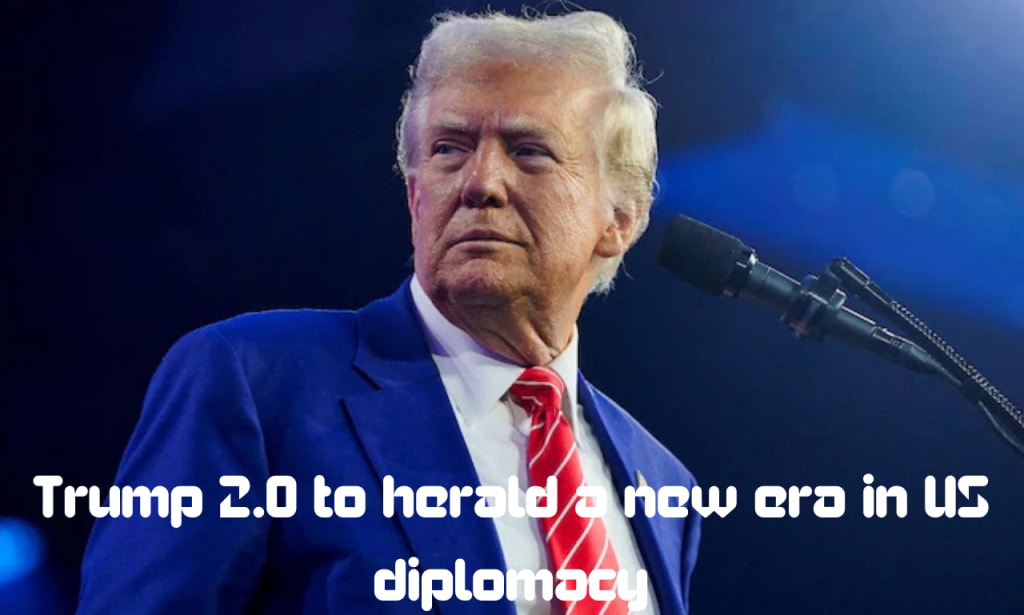
Donald Trump, one of the most polarizing figures in modern American history, stands at the dawn of a second term, poised once again to challenge the status quo. His re-election, driven by a combination of his unapologetic style, economic promises, and the unwavering loyalty of his base, signals a renewed commitment to disrupting Washington and reshaping the global order. Yet, while his resolve has only strengthened, questions linger about how far his brand of disruption can go in an increasingly polarized political landscape.
A Stronger Starting Point
Unlike his first term, which began with a razor-thin victory and an air of unpredictability, Trump enters his second term with a firmer grip on his political identity and agenda. His initial presidency, though tumultuous, solidified his standing as a populist disruptor willing to challenge both domestic norms and global conventions. The tax cuts, the surge in energy production, and the appointment of conservative judges to reshape the judiciary remain hallmarks of his legacy.
But while these achievements largely aligned with traditional Republican priorities, they often overshadowed the issues Trump himself championed: tariffs, immigration reform, and the dismantling of entrenched bureaucratic systems. This time, emboldened by a more experienced team and lessons learned, Trump seems determined to focus on his signature policies, aiming to leave an indelible mark on America’s political fabric.
A World in Flux
The global stage Trump faces now is vastly different from that of 2017. The geopolitical landscape is more fragmented, with tensions brewing between superpowers and alliances strained. Trump's "America First" approach, while appealing to his domestic base, alienated some traditional allies and emboldened competitors like China and Russia.
In his second term, Trump has vowed to recalibrate these relationships further. He promises tougher stances on trade imbalances, more rigorous immigration policies, and a commitment to reducing America’s involvement in what he deems “endless wars.” Critics, however, question whether his methods—often unorthodox and impulsive—can yield sustainable results in a world requiring diplomacy as much as disruption.
The Domestic Challenge
At home, Trump faces an America deeply divided. While his loyal supporters praise his ability to defy political norms, detractors argue that his rhetoric and policies exacerbate division. This polarization presents a significant challenge: can a leader whose appeal hinges on disrupting the establishment foster unity among a fractured populace?
Trump's ambitious plans for immigration reform and trade restructuring may also meet resistance from both sides of the aisle. His insistence on tariffs as a tool for economic leverage has sparked debate, with critics highlighting potential repercussions for American consumers and industries. Similarly, while his immigration policies resonate with his base, achieving bipartisan support for sweeping reforms remains uncertain.
Lessons Learned
The Trump of 2025 is not the Trump of 2017. He has grown more strategic, learning from the pitfalls of his first term. His administration’s initial missteps—ranging from staff turnover to chaotic policymaking—serve as cautionary tales for the second act. Trump appears more focused, assembling a team that mirrors his vision while striving for efficiency.
However, his reliance on executive orders and unilateral decision-making could limit the long-term impact of his policies. Without broader congressional support, many of his initiatives risk being undone by future administrations. This cyclical nature of policy swings underscores the importance of fostering cooperation—a skill Trump has yet to fully embrace.
The Limits of Disruption
Trump’s appeal lies in his ability to position himself as an outsider fighting against a corrupt and stagnant system. But disruption alone cannot substitute for sustainable governance. The challenges facing America—economic inequality, healthcare reform, climate change, and systemic injustices—require more than bold rhetoric and combative tweets. They demand comprehensive solutions that balance innovation with stability.
Whether Trump can transition from a disruptor to a builder will define his legacy. His ability to navigate the complexities of governance while maintaining his populist appeal could determine the success of his second term.
A Polarizing Path Forward
As Trump embarks on his renewed presidency, the stakes are higher than ever. His supporters see him as a transformative figure willing to tackle the nation’s deepest problems head-on. His critics fear his leadership style could deepen divides and erode democratic norms.
In a time of uncertainty, Trump’s second term represents both an opportunity and a risk. Can he leverage his strengths to unify a nation and address its challenges, or will his penchant for disruption ultimately limit his ability to govern effectively?
The answers remain as unpredictable as the man himself, but one thing is clear: the world will be watching, and America’s future hangs in the balance.
This story weaves together Trump's ambitions, challenges, and the high stakes of his presidency, inviting reflection on his potential to redefine leadership in a deeply divided era.
About the Creator
mureed hussain
Hi, I’m a creative writer passionate about health & wellness, love, longevity, aging, and pet care. With extensive Quora experience, I craft engaging posts, thoughtful questions, and insightful answers.
Find me at>>[email protected]
Keep reading
More stories from mureed hussain and writers in Critique and other communities.
Trump Makes History: The First Former President Sentenced for a Felony
In an unprecedented moment in American history, former President Donald Trump became the first ex-president to be sentenced for a felony. The court proceedings, held on a quiet Friday morning, concluded with a sentence that left many stunned: unconditional discharge, which carries no punishment. This legal milestone underscores the unique intersection of power, privilege, and accountability in the life of one of the most polarizing figures in modern politics.
By mureed hussainabout a year ago in Critique
Cassie and Johnny
I’m the kind of dame you notice. I’m no femme fatale, but you can’t ignore me, at least not until I warn you about what’s coming, then everybody ignores me. Hell, they usually blame me afterwards and give Johnny all the credit for saving the day, but my Johnny couldn’t save a seat at the movies without my help. Sure, he’s brawny, but brainy? Not so much. Like that time I asked him to spot me five bucks, and he said he didn’t see it anywhere on me, and believe you me, he looked but good.
By Harper Lewis17 days ago in Critique
"You should smile more "
A few weeks ago, I was at the dmv and a random man had the audacity to tell me "why aren't you smiling, you should smile more". I was so appalled by that man, but even more by myself because instead of putting him in his place I awkwardly laughed. This guy probably went home satisfied with himself. Looking back at it I feel sick. He. caught me by surprise but I should have been faster and clap back at him or even insult him.
By Girlygirly7 days ago in Critique


Comments (3)
While I can agree in spirit with many of Trump’s policies and stances… the man himself is a ticking time bomb of narcissistic self interest. To be blunt, he scares me. I can only hope he can keep from exploding all over the world scene. Interesting article with good insight.
It's a scary time for America. I've never seen such division and regression - not in over sixty years. I appreciated your view in your article, but I am inclined to disagree.
Trump will be worse because now he’s emboldened! Fascinating article