
The Influence of Fashion Based on Past Media: How Cinema, Television, and Print Shaped Styles
Fashion

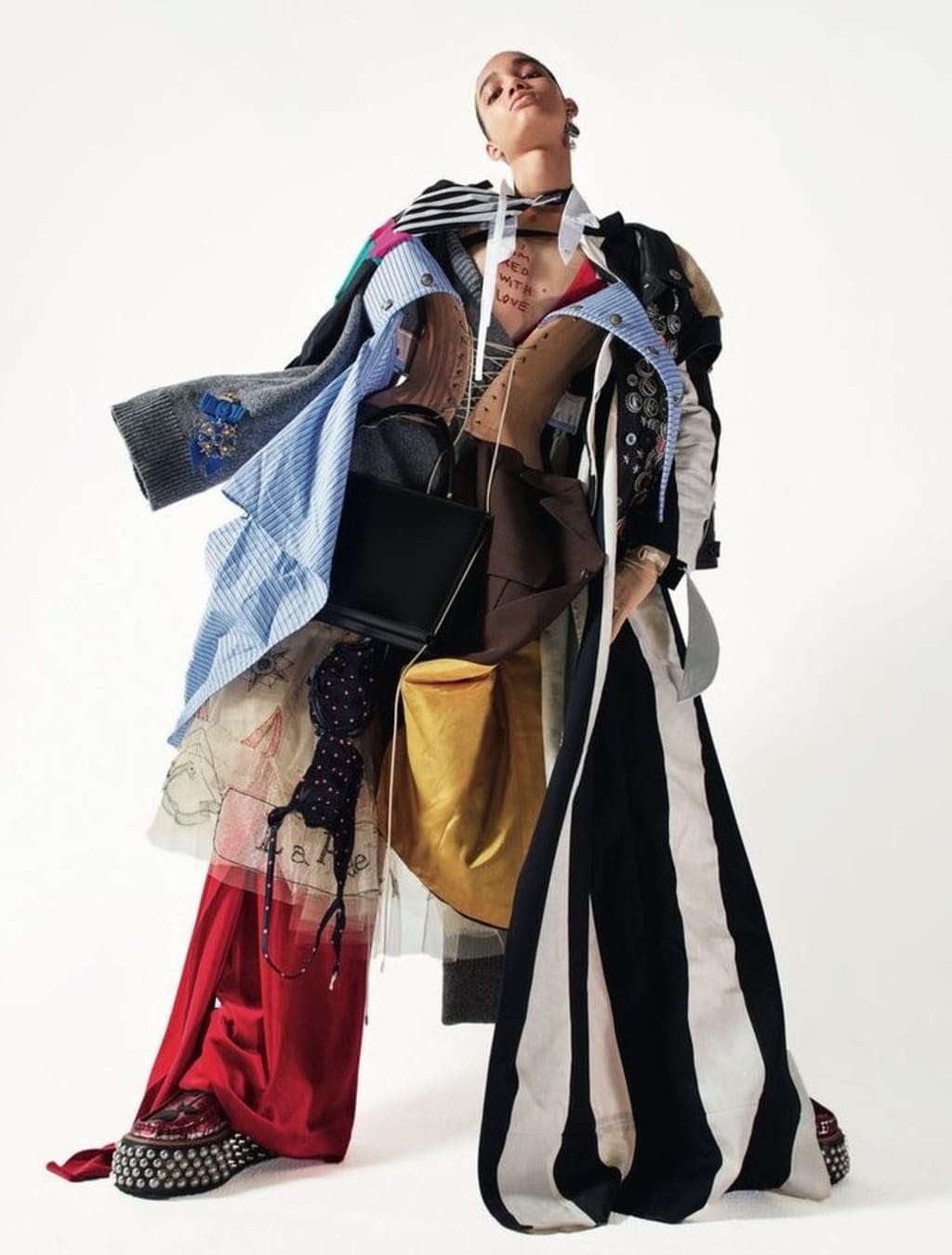
Fashion is more than just clothing—it is a visual language that reflects societal values, historical contexts, and cultural movements. Over the years, fashion has been shaped and influenced by the media, with cinema, television, magazines, and advertisements playing pivotal roles in popularizing trends, defining beauty standards, and influencing how individuals perceive themselves and their identities. This article explores the influence of fashion through past media, examining how different media platforms have driven fashion trends throughout history and continue to do so today.
The Golden Age of Cinema: Iconic Stars and Screen Fashion
In the early 20th century, cinema emerged as a dominant cultural force, shaping public tastes and fashion in profound ways. The golden age of Hollywood in the 1930s, 1940s, and 1950s marked a period where film stars became the ultimate fashion icons, and their on-screen wardrobes dictated popular trends.
1. Hollywood Glamour: Stars like Audrey Hepburn, Marilyn Monroe, Grace Kelly, and Rita Hayworth became synonymous with specific fashion styles that still echo in today’s fashion world. Hepburn’s clean, elegant lines in Breakfast at Tiffany’s (1961) popularized the little black dress and the concept of minimalist sophistication. Monroe’s sultry, form-fitting dresses, particularly the white halter dress from The Seven Year Itch (1955), became cultural symbols of femininity and sensuality.
2. The Influence of Costume Designers: Iconic costume designers like Cecil Beaton and Jean Louis made lasting impressions through their work in Hollywood. For instance, Beaton’s design of Audrey Hepburn’s iconic look in My Fair Lady (1964) helped define the look of the 1960s, emphasizing femininity through clean lines and flattering silhouettes. Costume designers had the power to craft characters through clothing, often making wardrobe choices as important to a character’s identity as their dialogue or actions.
3. Cinematic Power and Mass Consumption: As the studio system in Hollywood grew, the collaboration between film and fashion intensified. A star’s look could dictate entire fashion seasons, especially when films were highly anticipated and carried cultural weight. The costumes in historical epics like Gone with the Wind (1939) and period dramas became a source of inspiration for real-world fashion, influencing everything from fabric choices to silhouettes.
Fashion and the Rise of Television: From Domesticity to the Counterculture
Television, which became widespread in the 1950s and 1960s, had an equally transformative effect on fashion. It introduced new forms of representation and further democratized fashion, moving it away from the elite world of Hollywood to reach a broader audience.
1. The Birth of TV Style Icons: In the 1960s and 1970s, characters on television became the new fashion idols. The characters in shows like I Love Lucy (1951–1957) and The Mary Tyler Moore Show (1970–1977) created popular trends. Lucille Ball’s comedic antics and her distinctive wardrobe of colorful, form-fitting dresses made her a fashion icon, particularly for women in the post-war era. Meanwhile, the stylish, independent Mary Richards in The Mary Tyler Moore Show inspired women in the workforce with her tailored suits and practical yet stylish office wear.
2. The Rise of Youth Culture: In the 1960s, television began to reflect the changing attitudes of a younger generation. Shows like The Mod Squad (1968–1973) and The Monkees (1966–1968) embraced the counterculture and the mod movement, which influenced mainstream fashion. Television introduced the idea that style could be a form of rebellion, and youth-oriented fashion brands began to cater to this new market. Denim, tie-dye, and bell-bottom jeans were seen on TV screens, and they quickly became staples of everyday fashion.
3. Television and Domestic Fashion: TV also reflected changing social norms through domestic fashion. The perfect housewives of Leave It to Beaver (1957–1963) and The Donna Reed Show (1958–1966) wore dresses and pearls while cleaning and cooking, creating an idealized image of domestic life. This idealized feminine style, paired with the burgeoning feminist movement, eventually evolved in the 1970s into a more liberated, practical style that reflected women’s growing independence.
Magazines and Print Media: The Power of Print in Shaping Trends
While film and television had a significant impact on shaping fashion, print media, particularly fashion magazines, played a central role in disseminating trends, defining beauty standards, and shaping cultural perceptions of style.
1. Vogue and the Fashion Elite: Perhaps the most influential print medium in the fashion world has been Vogue magazine. Since its founding in 1892, Vogue has defined trends, popularized designers, and celebrated fashion icons. In the 1920s and 1930s, it helped introduce the modern fashion world to American readers, elevating designers like Coco Chanel and Christian Dior. During the post-war period, its pages were filled with haute couture and glamorous editorials that reinforced the idea that fashion was both art and commerce.
2. The Shift to Youth-Centered Fashion in the 1960s: As the youth culture movement gained traction in the 1960s, fashion magazines like Harper’s Bazaar and Cosmopolitan began to feature more youth-oriented content. The mod look, made famous by designers like Mary Quant, was celebrated in these publications, bringing London’s youthful fashion aesthetic to American shores. The 1960s marked a shift from the elegance of haute couture to more accessible, affordable street style, a trend that was reflected in the growing popularity of fashion magazines aimed at younger audiences.
3. From Supermodels to Celebrity Culture: By the 1980s and 1990s, supermodels like Cindy Crawford, Naomi Campbell, and Linda Evangelista dominated the covers of magazines like Vogue, Elle, and Vanity Fair. This era marked the beginning of the “supermodel era,” where models became household names. Magazines, through their photographic spreads, not only highlighted the latest trends but also popularized beauty standards. This shift laid the foundation for the eventual rise of celebrity-driven fashion culture, where stars of the music and film industries became synonymous with style.
4. The Democratization of Fashion via Magazines: As magazines expanded their reach in the 20th century, fashion began to be democratized. Publications such as Seventeen and Teen Vogue catered to younger, more diverse audiences, while GQ and Esquire brought fashion advice to a male audience. The editorial spreads in these magazines provided a visual feast of how to mix and match trends, offering readers the tools to express themselves through fashion in ways that were once reserved for the wealthy and famous.
The Internet and Digital Media: A New Era of Fashion Influence
In the late 20th and early 21st centuries, the advent of digital media shifted the landscape of fashion influence once again. Social media, blogs, and digital fashion platforms have opened new avenues for personal expression, trendsetting, and the rapid spread of styles across the globe.
1. The Influence of Fashion Bloggers and Influencers: The rise of fashion bloggers in the early 2000s, like Chiara Ferragni and The Sartorialist’s Scott Schuman, revolutionized how fashion is consumed. These influencers, often with no formal design background, became powerful players in fashion, shaping trends through their personal style and social media presence. Today, platforms like Instagram and TikTok are dominated by fashion influencers who set trends in real-time, making fashion more accessible and democratic than ever before.
2. Digital Fashion Shows and Virtual Fashion: The shift to digital platforms has also altered how fashion is showcased. Major fashion houses now live-stream their fashion shows, allowing audiences worldwide to view runway collections in real-time. Moreover, digital technology has even led to the creation of virtual fashion—a space where digital clothing and accessories are designed, bought, and worn exclusively in online spaces, reflecting the growing intersection of fashion and technology.
3. Fast Fashion and Global Impact: The internet also accelerated the rise of fast fashion, with companies like Zara, H&M, and ASOS capitalizing on digital platforms to rapidly churn out runway-inspired styles at affordable prices. This phenomenon has made fashion even more accessible, though it has also raised concerns over sustainability and the ethics of mass production.
Conclusion: Fashion as a Reflection of Media and Society
Fashion has always been deeply intertwined with media, with each era’s dominant form of media leaving its mark on the prevailing style of the time. From the glamorous stars of Hollywood cinema to the powerful images in magazines and the rise of digital influencers, the influence of past media on fashion has been profound and lasting. As new media platforms emerge, fashion continues to evolve, offering an ever-expanding landscape for personal expression and societal reflection. By studying the evolution of fashion through past media, we gain a deeper understanding of how style is not only about clothing but also about culture, identity, and the changing tides of history.
About the Creator
Keep reading
More stories from Matilda Otu and writers in Critique and other communities.
The Role of Male Testosterone in the Workplace: Impacts and Considerations
Testosterone, often associated with physical traits and behavior, plays a critical role in shaping various aspects of male biology, including energy levels, mood, and decision-making. Its effects are not just limited to the individual’s health, but also extend into their professional lives, influencing workplace dynamics, performance, and interpersonal relationships. As understanding of testosterone’s influence grows, it becomes important to examine how it impacts male employees in the workplace and how organizations can navigate these effects to foster an inclusive, productive environment.
By Matilda Otuabout a year ago in Critique
Standing While Falling
Quotation from Friedrich Nietzsche "He who wrestles long with monsters should beware lest he himself become a monster. And if you gaze long into an abyss, the abyss also gazes into you. Man is not destroyed by suffering, but by the meaning he makes of it."
By LUCCIAN LAYTH13 days ago in Critique
Charleston White Responds As Viral Report Suggests A Shooting Has Left Him In Critical Condition
In this age of fake news, poor AI generated content, and outlandish rumors, it’s hard to keep up with the truth. That’s why Charleston White declared his existence on social media.
By Skyler Saunders6 days ago in Critique




Comments
There are no comments for this story
Be the first to respond and start the conversation.