
The Impact of Cancel Culture on Freedom of Expression
Exploring the Balance Between Social Accountability and the Right to Free Speech in the Age of Social Media

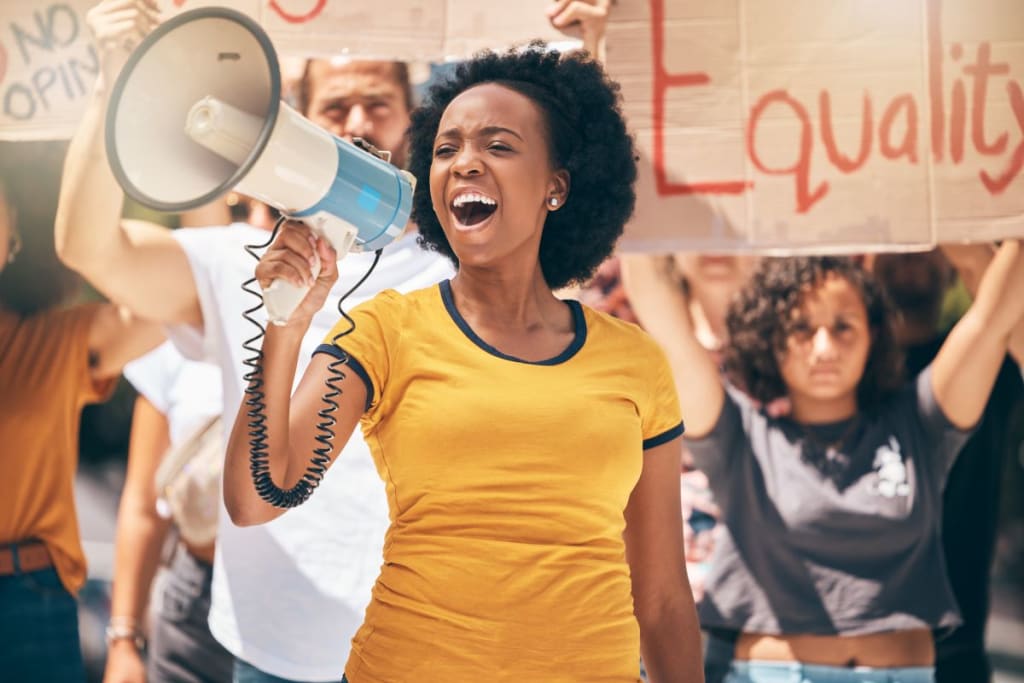
The Impact of Cancel Culture on Freedom of Expression
In recent years, "cancel culture" has emerged as a leading term in our social and political lexicon. Cancel culture means the collective action of publicly shaming, boycotting, or "cancelling" people, brands, or institutions based on an assumed wrongdoing or offending behavior. Although cancel culture may be effective for social responsibility, it indeed presents a threat to the decline of freedom of speech, an important tenet of democratic culture.
Basically, cancel culture represents a form of social regulation which people have described as a sort of modern way through which society could exercise power in making some individual or group responsible for an action. It was further influenced by the recent surge of social media, making the single statement or action condemned publicly and raising a call to cause professional or personal consequences.
However, cancel culture's effects on freedom of speech are far-reaching and multilevel. For instance, while it becomes an avenue through which marginalized voices gain justice and make their voices audible, at the same time it can bring a chilling effect where open conversations and discussions get dampened, with people taking upon self-censorship.
The Rise of Cancel Culture
Cancel culture traces its origins to social media, especially Twitter, where hashtags and viral trends have been used to spotlight injustices and demand accountability. Movements such as #MeToo and #BlackLivesMatter have effectively utilized cancel culture to expose predatory behavior, discrimination, and systemic oppression.
For most, cancel culture has become an empowerment symbol. It offers people who have been marginalized or silenced a voice and a platform in demanding recognition, justice, and an end to harmful practices. Public figures and corporations, once wielding so much power over the public's opinions, are being held accountable today by ordinary people who have the same digital tools.
The Dark Side of Cancel Culture
Despite the potential for social justice, cancel culture is also criticized for its capability of going too far. This often leads to severe consequences for persons without properly understanding contexts or intent. In fact, sometimes people are "canceled" over relatively minor, defunct offenses that hardly reflect who they are or what they stand for today. For instance, a few years old tweet may resurface and cause devastating career setbacks, personal humiliation, and loss of livelihood.
One of the major issues with cancel culture is that it often functions in a punitive and unforgiving way, sometimes without providing an opportunity for redemption or growth. The "zero tolerance" approach breeds a climate of fear, in which people might be afraid to express controversial or even creative ideas for fear of backlash. Fear of being canceled can make people unwilling to engage in open discourse, stifling debate and the exchange of differing perspectives.
The Chilling Effect on Free Speech
Cancel culture can be worst when it creates a chilling effect on free speech. The fear of public shaming or professional ruin may deter people from speaking out or expressing their opinions, especially on sensitive or polarizing topics. This is particularly problematic in a democratic society, where open dialogue, disagreement, and the free exchange of ideas are all part of healthy discourse.
When the believe that they may be "canceled" for expressing their opinions, people may self-censor, even with the best of intentions. In this fashion, a reader who may otherwise have expressed nuanced or unpopular opinions will not, and mainstream or generally accepted opinions will rule the day. This runs contrary to freedom of expression's central tenets because it fears speaking truth to power.
Also, cancel culture will lead to the echo chambers whereby people are exposed to only opinions they agree with, and hence, society gets further divided. When the challenges are punished rather than debated, it leads to a culture of conformity that leads to stunted growth and development.
Accountability vs. Censorship
It is crucial to note that cancel culture does serve a purpose—it holds individuals and organizations accountable for their actions, whether discriminatory, abusive, or unethical. In that regard, cancel culture is also a way in which marginalized communities can reassert their rights and demand justice when traditional systems of power fail to do so. Therefore, it can provide a corrective effect, forcing people to face nasty truths and bring systemic issues- racism, sexism, and exploitative practices-between the public scrutiny.
However, the line between accountability and censorship can sometimes become blurry. Accountability should aim to encourage growth and education, not punitive measures that leave little room for redemption. People should be allowed to learn from their mistakes, apologize, and change without the fear of irreparable damage to their careers or reputations.
For cancel culture to be constructively effective, there needs to be a balance of holding people accountable and fostering a culture of empathy, learning, and understanding. When people are canceled without being given the chance for redemption or dialogue, this contributes to the erosion of civil discourse and the possibility of growth.
The Role of Social Media in Amplifying Cancel Culture
Cancel culture has been fuelled by the rise of social media, since these platforms facilitate collective action that allows people to mobilize easily and amplify their messages. It makes it easy for people to share their grievances, raise awareness, and demand change. At the same time, this kind of rapid, widespread dissemination can also lead to misinformation and overreaction.
Sometimes, a single post on social media can snowball into a viral campaign, leading to disproportionate consequences for the individual involved. Social media can fan outrage, and hasty judgments may be passed without any attempt to understand the context. Public trials are common, where the accused is judged and punished on the basis of limited information.
Beyond these, social networking can fuel a mob mentality of condemnation without making sure the poster has understood or thought through his action, such that individuals who may be simply innocent victims in a matter or controversy are subject to public ridicule, harassment, and ostracism-a scenario far removed from accountability and tending toward punishments.
Conclusion: Balancing Accountabilities with the Freedom of Speech
Cancel culture is a complex and multifaceted issue that raises important questions about accountability, freedom of expression, and the role of social media in shaping public discourse. It has proven to be an effective tool for holding individuals and organizations accountable for harmful behavior but can also stifle free speech and discourage open dialogue.
As a society, we need to find a way to balance holding people accountable for their actions versus protecting the right to express differing opinions without fear of retribution. Cancel culture, when used responsibly, can be a great force for positive change if tempered with empathy, understanding, and the opportunity for redemption.
Thus, true social development is not silenced by opposing arguments but rather enhanced through open-minded dialogue, respect for others' opinions, and personal development.
About the Creator
Hariprasad
Passionate writer exploring the intersection of technology, geopolitics, and nature. Sharing insights on AI, global dynamics, and the beauty of our planet to inspire curiosity and meaningful conversations.
Keep reading
More stories from Hariprasad and writers in Critique and other communities.
Exploring the Ancient Art of Feng Shui: Enhancing Harmony in Your Living Space
Exploring the Ancient Art of Feng Shui: Enhance Harmony in Your Living Space Feng Shui is an ancient Chinese discipline that has managed to guide for over 3,000 years how to create harmonious and balanced environments. The term "Feng Shui" literally means "wind and water," which reflects the practice's focus on creating harmony by aligning the natural elements within one's environment. It is believed that if your space is carefully arranged according to Feng Shui principles, then you shall improve your health, wealth, relationships, and overall well-being.
By Hariprasad12 months ago in Art
Standing While Falling
Quotation from Friedrich Nietzsche "He who wrestles long with monsters should beware lest he himself become a monster. And if you gaze long into an abyss, the abyss also gazes into you. Man is not destroyed by suffering, but by the meaning he makes of it."
By LUCCIAN LAYTH12 days ago in Critique
The African Diaspora and History of Rhetoric: Learning to Learn
When studying the history of rhetoric, many groups were excluded from participating in power and were used, abused, and written off as inferior. Even today African nations have not recovered from being exploited by European powers.
By WILD WAYNE : The Dragon King4 days ago in Critique
Wild Card Weekend Recap: What Happens Now?
I think I figured out why I love Wild Card Weekend so much. It's because it's the first playoff anything of the calendar year. The NFL season starts in the fall, and once upon a time, the champion was crowned either on or slightly before New Year's. The evolution of the NFL schedule has resulted in the playoffs starting just into the New Year, and currently, the final week of the season falls on the first weekend of the New Year, with Wild Card Weekend coming a week after that. So yes, chronologically, the NFL's Wild Card Weekend serves as the first playoff anything of the calendar year.
By Clyde E. Dawkins6 days ago in Unbalanced



Comments
There are no comments for this story
Be the first to respond and start the conversation.