
The Genius of Worldbuilding in Game of Thrones
Game of Thrones
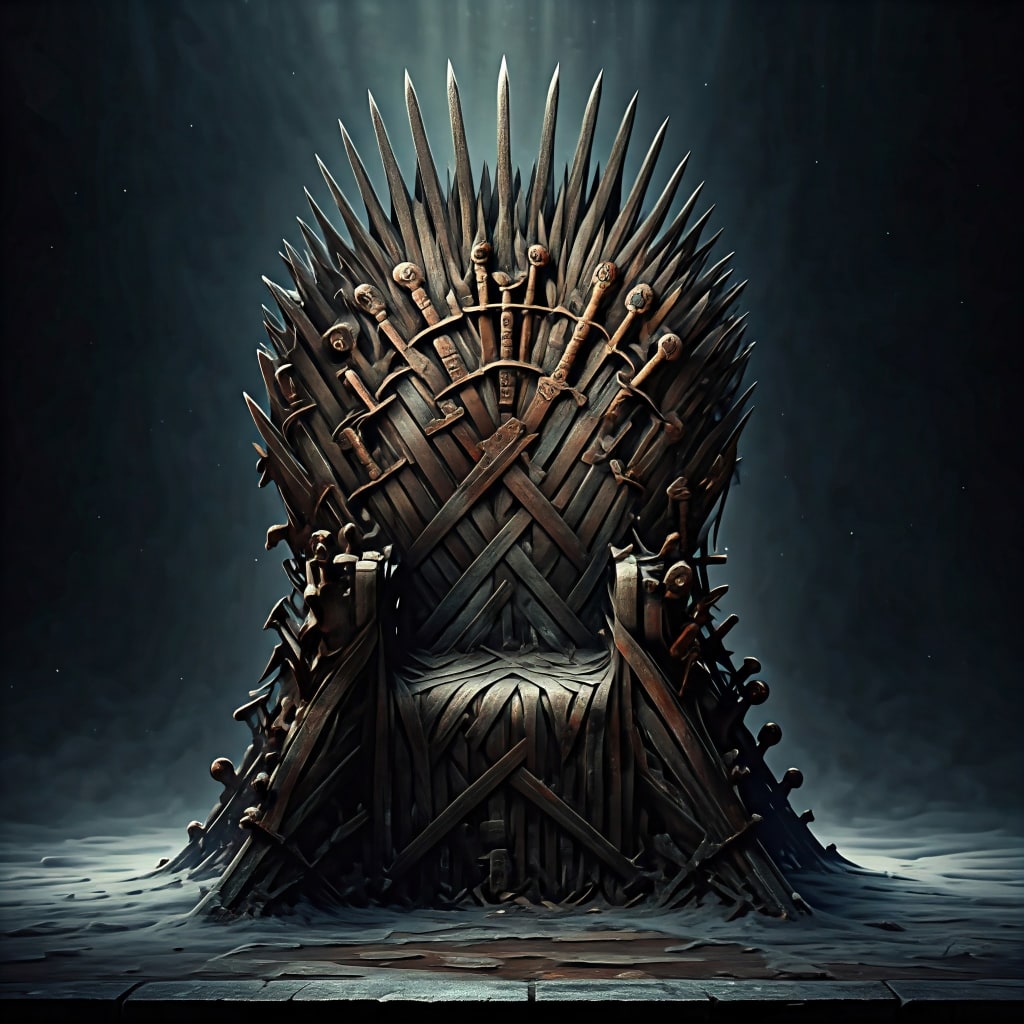
The Genius of Worldbuilding in Game of Thrones
Game of Thrones is one of those television series that not only gained immense popularity but also became a cultural phenomenon. George R. R. Martin's decades-long novel series, A Song of Ice and Fire, which served as the foundation for the show, captivated readers with its stunning worldbuilding and masterfully crafted characters. The show's adaptation successfully brought this complex world to the screen, albeit not without compromises.
In this article, we delve into what made the worldbuilding of Game of Thrones so remarkable and how it revolutionized the fantasy genre.
1. The Richness in Details
The world of Game of Thrones works so effectively because the author focused not just on the main storyline but also on the smallest details. The continents of Westeros and Essos, with their geography, history, cultures, and religions, were so meticulously crafted that readers and viewers alike could experience them as almost real places.
The individual houses—such as the Starks, Lannisters, or Targaryens—have their own mottos, sigils, and histories that not only enrich the world but also add emotional layers to the story. For example, House Targaryen's "Fire and Blood" succinctly encapsulates the family's glorious yet turbulent past.
2. Morally Complex Characters
Worldbuilding is inseparable from the characters who populate that world. George R. R. Martin created not idealized heroes and villains but lifelike, flawed people whose decisions and conflicts are grounded and multifaceted.
In Game of Thrones, no one is untouchable. Ned Stark, one of the noblest characters in the series, meets his demise at the end of the first season, setting off the stormy events of the fight for the throne. This kind of unpredictability not only heightens the tension of the story but also highlights the harsh reality that moral justice does not always prevail.
3. History-Inspired Narrative
George R. R. Martin has often stated that he was greatly inspired by European medieval history, particularly the Wars of the Roses in England, for the stories of Westeros. Alliances, betrayals, and intrigues between families echo real historical events throughout the series.
One of the secrets to the series' success is that Martin did not simply rely on fantasy clichés but drew from history. Locations like Winterfell, King's Landing, or the Wall evoke the atmosphere of real-life castles and landscapes, making them feel authentic.
4. Religions and Mythology
Religion and mythology play a central role in the Game of Thrones universe. The Northerners, who worship the Old Gods at their Weirwood Trees, and the followers of the Lord of Light, R’hllor, each represent belief systems that shape the motivations of the story's characters.
The depth of these religions not only enriches the backdrop of the world but also serves as a key narrative device. Melisandre, a priestess of the Lord of Light, and the betrayals underlying the Red Wedding are prime examples of how faith became a central element of the show's narrative.
5. Measured Use of Magic
Game of Thrones' approach to magic is unusually restrained. While in many fantasy stories, magic takes center stage, here it is more of a subtle yet impactful element. The appearance of dragons, the threat of the White Walkers, and Melisandre's magical rituals are all events that provide a mystical backdrop to the story rather than dominating it.
This moderation helps ground the story closer to reality while retaining the allure of fantasy.
6. The Importance of Politics and Intrigue
The world of Game of Thrones is dominated by intrigue and politics. The series is not just a tale of sword fights and epic battles but also of human manipulation, ambition, and betrayal.
The motivations of the characters are complex: Cersei's hunger for power, Tyrion's intellect, and Daenerys's idealism all contribute to making the political conflicts feel real and engaging. This portrayal also reflects the complexity of human societies.
Conclusion
The worldbuilding of Game of Thrones is not only impressively detailed but masterfully combines historical inspiration, emotionally complex characters, restrained magic, and intricate political intrigue. This richness and complexity are what allowed the series to capture the hearts of not just fantasy fans but a broader audience as well.
Game of Thrones is a masterpiece of worldbuilding that proves how dedication to detail and authentic portrayals of human conflict can forever transform a genre.
About the Creator
Keep reading
More stories from Farkas Márk and writers in Critique and other communities.
The Complexity of Characters in Game of Thrones
The Complexity of Characters in Game of Thrones One of the greatest strengths of Game of Thrones is its deeply developed, multifaceted characters who cannot be easily categorized as simply "good" or "evil." Their actions, decisions, and internal conflicts are nuanced, allowing viewers to connect with them on a personal level. The development of these characters and their moral dilemmas are key factors that elevate the series above traditional fantasy stories.
By Farkas Márk 12 months ago in Critique
Standing While Falling
Quotation from Friedrich Nietzsche "He who wrestles long with monsters should beware lest he himself become a monster. And if you gaze long into an abyss, the abyss also gazes into you. Man is not destroyed by suffering, but by the meaning he makes of it."
By LUCCIAN LAYTH12 days ago in Critique



Comments
There are no comments for this story
Be the first to respond and start the conversation.