
The documentary (Memory is Our Homeland) : An Analysis
Memories of polish family

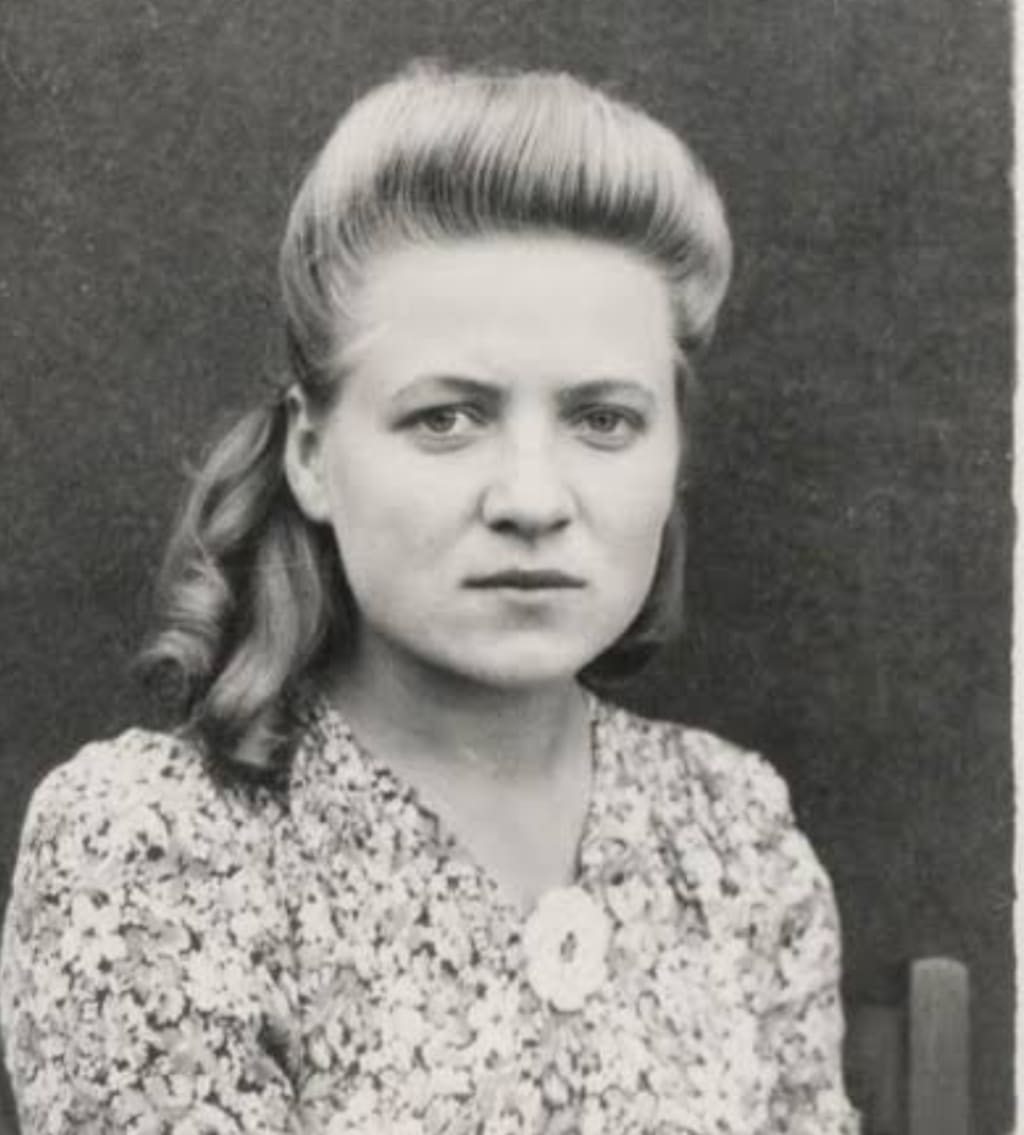
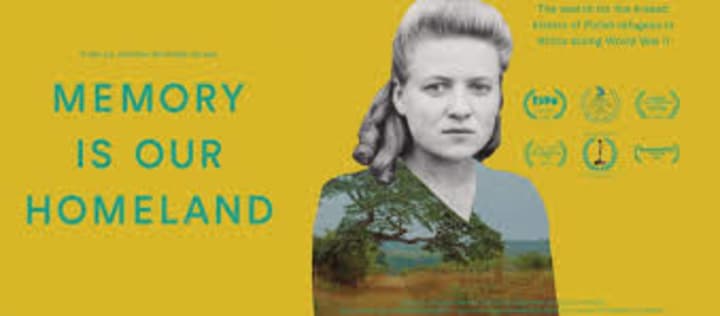
This image sparked the curiosity of the Polish-born director Jonathan Kolodziej Durant about the family's history and their displacement and wandering from Poland to Siberia, then Uzbekistan through Iran to a huge leap from the eastern European continent to Tanzania, escaping the ravages of the devastating world war, which destroyed their homelands and the homes they left behind, and looking for a lifeline in the safe and war-free jungles of Kilimanjaro.
The director is an experienced documentary filmmaker, with three films to his credit, including LECOLE POUR MOI in 2012 about school dropout, the 2013 documentary figure of armen about life in the Caucasus, the history of the countryside and the situation after the devastating war and the fall of the Soviet Union.
Ryszard Kapuczynski, a writer and journalist known for his writing about the history of Africa and its peoples, is quoted at the opening of the film Memory is Our Homeland. He argues that history and memory are not found in books but must be sought out in their purest forms and backed up by documents and manuscripts; otherwise, they become just a glittering legend. This is what "Kolodziej" did, searching for his family's spatial history by following the family's journey, with his grandmother serving as a witness and guide. He traveled from Belarus to Kenya, visiting the same locations and attaching pictures of his grandmother and his family. He traveled to the same locations from Belarus to Kenya.
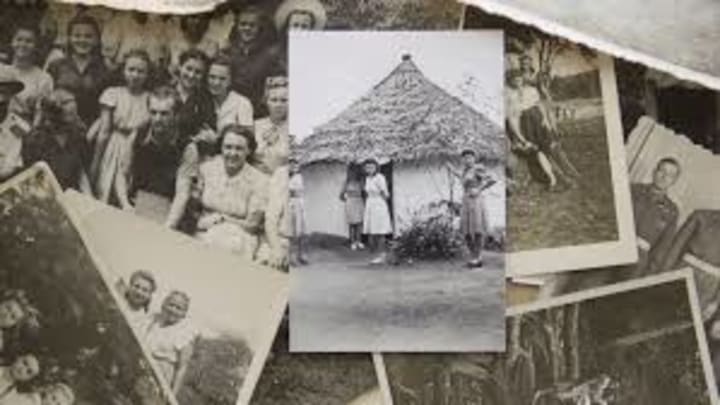
He traveled from Belarus to Kenya with his grandmother's and family's photographs, which serve as evidence that their memories are still alive (the majority of the photographs were taken in Iran and Kenya, where they settled). He occasionally looked for information about those who perished in this forced relocation brought on by the war, and other times he restored his own memories that his family had lost in the middle of a place they no longer see and remember.
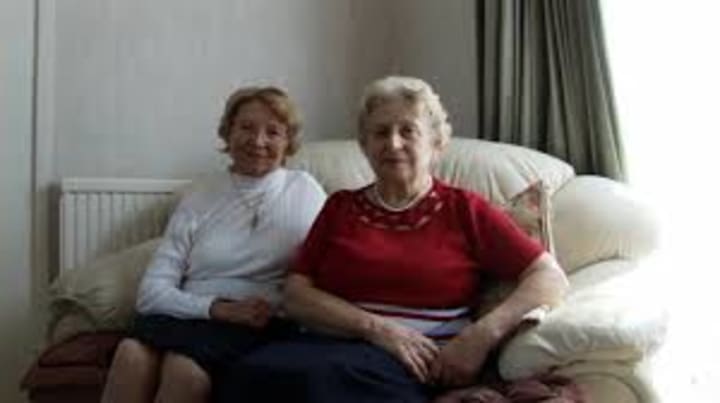
Kolodziej's documentary film is divided into eight parts, each of which tells the story of its title. The first thing he started with was THE BLUR, in which he included a real photo (from the archives) of Poles in camps receiving nursing care, as if he were uncovering the problem of the Poles and what happened to them, as he re-explored the disaster that befell his family and even his memory. In this first chapter, the scene is dominated by his grandmother's and her sister's testimony.
The director attempted to highlight this in the second segment of the movie, which he named: (Siberia the SYBIARKS) His grandmother tells the story of the hardships in Siberia, the deaths of many Poles, the loss of many even, and their journey to Belarus, specifically to the city of Ostrowek, where his family resided. He wrote about this in the third chapter (RUINS), where he looked for someone who knew something about his family in a church. He found a woman, but she kept it from him on the grounds that she was praying at the Mass, which represents peace. He captured the sound of the believers on camera during Mass, which is a symbol of peace, chanting the prayer, but the elderly woman refused to discuss the past, claiming to have forgotten. The camera illustrates this contradiction, which is supported by the claim that Ostrovek and the surrounding Belarusian regions He suffered from the effects of the devastating war left by the Soviet Union and Nazi forces, but eventually he found his family home. A Belarusian friend who lived with his grandmother and the rest of the family showed him the house, and he felt as though his memory had returned and brought back all of his family history there. He visited the house and recognized its location, but all that was left were stone traces and debris because the house did not survive, and his grandmother's memory only remembered the structure's location.
The director did not wait for the return of the house from the depths of history, but went further, returning to the deportation of Poles in 1942 from Uzbekistan to Iran, then to Tenegro and finally to Tanzania (in 2015): (THE ODYSSEY) This is an analogy to one of Greece's mythical epics, as his family, like all Poles, suffered from woes, diseases, the risk of death and the loss of family and relatives in a clear tribute to them. What is striking in the film is the photographs in his possession, they alone tell a history and memory of the loss of a homeland, home and family, he uses them a lot, as they are proof of their existence, proof of self (the director spoke about this) and family photos are traces of survival.
Regarding the director's central notion, the fifth and sixth chapters are similar. The fifth chapter, "SAILING IN THE WIDNESS," focused on the image of the tombs and the temple as they were and still are witnesses to their existence, acting as an archaeologist searching for a wreck or a new discovery.
Regarding the sixth chapter, ERASURE, even though there are remnants of the Polish people's travels throughout the world, as well as photographs, archives, and cemeteries, all of this is insufficient to understand the events of history, their time, places, and emotions. He sees the value of keeping the homeland and memories in our minds, even if they are brief or imperfect, so he returned to Poland in part seven, which was titled PALIMPSEST, a suggestive title that alludes to the return to the homeland. In reference to rewriting the memories of the homeland, Poland, the director used the term "PALIMPSEST," which means "a page to be written on after it was written on and erased," to transport us to the family's old home and reconstruct the memory of the new house that had faded in memory.
After his grandmother passed away, he looked for his memory to answer the questions he had since he was a young boy. He returned from the house that was scattered throughout Belarus with a small stone, indicating that the seed of memory is still there to create a new homeland. The director ended with the final chapter, HOMELAND, which followed his journey from Warsaw to Nairobi to settle in London.
The documentary ended with the scene of loss, the picture of children with nurses, the picture of hunger, and the picture of the wedding of refugees to Polish refugees, which he witnessed at the time. The director did not want to separate the beginning of the film, which is a real and documented historical scene, from its end. This was done in order to rearrange the human being and memory, as marriage is an image of growth, procreation, and birth, so that memory lives again, and he sang his final words:
Since memory is the true house we inhabit, everyone should protect it.
About the Creator
Keep reading
More stories from Wail Fekhr Elislam Saadna and writers in Critique and other communities.
Standing While Falling
Quotation from Friedrich Nietzsche "He who wrestles long with monsters should beware lest he himself become a monster. And if you gaze long into an abyss, the abyss also gazes into you. Man is not destroyed by suffering, but by the meaning he makes of it."
By LUCCIAN LAYTH14 days ago in Critique
New Jersey town faces state lawsuit claiming mayor ordered police to “keep black people out”
Does a city in New Jersey want negroes? It has been found in a court filing that Clark Township does not want non-white motorists traveling through it. The mayor, Salvator “Sal” Bonaccorso has rejected the claims despite the data. They show blacks had been stopped 3.7 times more than white drivers. Hispanics had been pulled over about 2.2 times more than their lighter hued counterparts.
By Skyler Saunders2 days ago in Critique


Comments (3)
I enjoyed reading the topic, fantastic analysis. Best regards.
Thanks 😊
Great analysis. Well done!