
The Cultural Impact of Game of Thrones
Game of Thrones
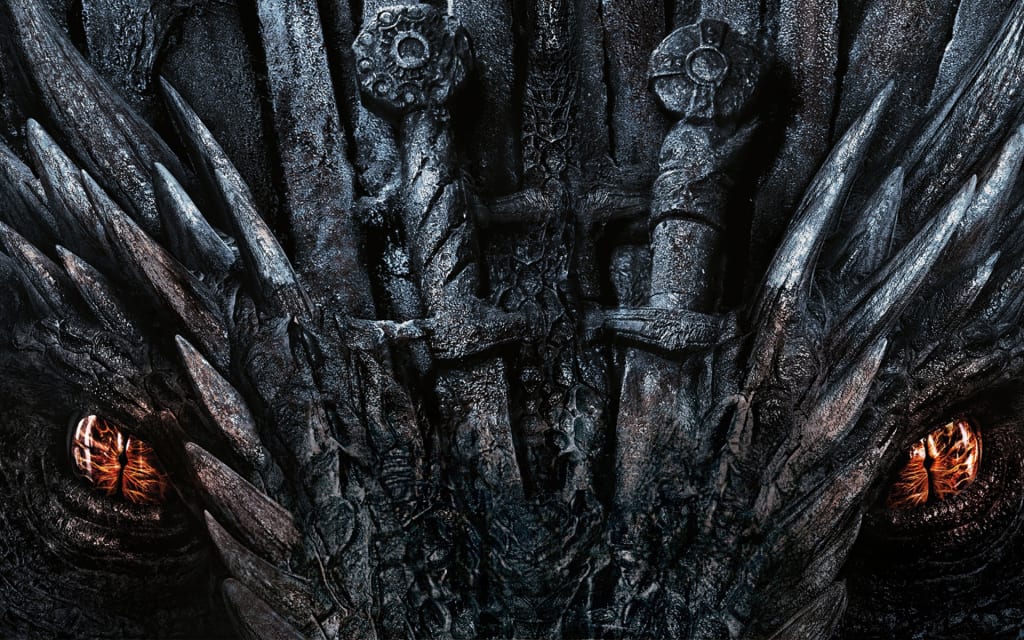
The Cultural Impact of Game of Thrones
Game of Thrones is one of the most influential television series of the 21st century, not only revolutionizing the fantasy genre but also leaving a lasting impact on popular culture. Premiering on HBO in 2011 and based on George R.R. Martin’s novel series A Song of Ice and Fire, the show amassed a massive global fanbase and became a cultural phenomenon often cited as a pinnacle of modern television brilliance.
Revolutionizing Television Storytelling
Game of Thrones demonstrated that television series could be more than just cost-effective alternatives to films—they could offer complex, long-term narratives that rival, or even surpass, cinematic storytelling. Rather than episodic storytelling, the series crafted a multifaceted plotline spanning multiple seasons, focusing on power struggles, human relationships, and morality. The show’s willingness to challenge traditional television structures, kill off main characters unexpectedly, and deliver intricate political drama elevated the storytelling medium as a whole.
Reinventing the Fantasy Genre
Before Game of Thrones, the fantasy genre was often associated with classic good-versus-evil narratives, such as The Lord of the Rings or Harry Potter. In contrast, Game of Thrones presented a more grounded and politically driven world, where characters were neither purely good nor evil but complex and deeply human. The show’s dark, realistic portrayal of medieval politics, combined with its willingness to explore moral ambiguity, changed how fantasy was perceived in mainstream media. This approach influenced many later fantasy series, including The Witcher, Shadow and Bone, and Amazon’s The Rings of Power, and helped bring critical acclaim to the genre.
Iconic Characters and Moments
The show’s characters were developed with such depth that many of them have endured in pop culture. Figures like Tyrion Lannister, Daenerys Targaryen, Jon Snow, Cersei Lannister, and Arya Stark became household names. Each of these characters underwent significant development, challenging audience expectations and adding to the show’s unpredictability.
The series also contributed memorable catchphrases such as “Winter is coming”, “Dracarys”, and “You know nothing, Jon Snow”. These lines became widely recognized and frequently referenced in pop culture, appearing in memes, advertisements, and even political discourse.
Additionally, the show produced numerous shocking moments that left a lasting impact on audiences. The Red Wedding, the Battle of the Bastards, and the destruction of King’s Landing are among the most talked-about scenes in television history, further cementing the show’s legacy.
Due to the show’s influence, many fans named their children after its characters, with names like Arya, Daenerys, and Tyrion becoming significantly more common. Some of these names even saw a sharp rise in popularity during the show’s peak years.
Fashion and Design Influence
The show’s visual aesthetics left a lasting impact on fashion and design. Its costumes, armor, and other stylistic elements inspired cosplayers and fashion designers alike. The medieval and fantasy-inspired designs also made their way into furniture, décor, and weapon replicas. High-end fashion brands and costume designers drew inspiration from the series’ detailed costume work, integrating elements of Westerosi fashion into their collections.
Additionally, Game of Thrones-themed weddings became a trend, with couples incorporating elements such as medieval gowns, sigil banners, and themed menus to recreate the atmosphere of the series.
Economic Impact
Game of Thrones had a significant economic impact. HBO saw a surge in subscriptions, and the series boosted tourism in filming locations such as Northern Ireland, Spain, Iceland, Croatia, and Malta. Several of these destinations saw a marked increase in visitors, leading to guided tours, merchandise sales, and even themed accommodations based on the show’s iconic locations.
The franchise expanded into various forms of media, including video games, card games, board games, books, and collectibles. The Game of Thrones brand became a highly profitable business, generating billions of dollars in revenue through merchandise, live experiences, and spin-off content.
The Rise of Streaming and Global Viewership
Game of Thrones played a pivotal role in shaping the streaming era. As one of HBO’s most-watched series, it contributed to the rise of streaming platforms, as audiences turned to HBO Go, HBO Now, and later HBO Max to watch the show. The series also demonstrated the power of global distribution, with fans from all over the world tuning in simultaneously for new episodes, often in the middle of the night.
Impact on Fandom and Social Media
The show’s passionate fanbase engaged in endless discussions, fan theories, and debates. Social media platforms like Twitter, Reddit, and YouTube were flooded with predictions, reaction videos, and analyses. Major plot twists—such as the deaths of key characters—often became global trending topics within minutes of an episode airing.
Fan communities also created their own adaptations, artwork, and parodies, further solidifying Game of Thrones as a dominant cultural force. The show’s ability to spark widespread conversation made it one of the most socially discussed television series of all time.
Controversial Ending and Lasting Debates
The series finale in 2019 divided audiences. While Game of Thrones had maintained a reputation for strong storytelling throughout most of its run, the final season received widespread criticism for its rushed pacing and inconsistencies in character development. Some fans felt that long-standing character arcs were abandoned too quickly, and the ending left many disappointed.
Despite this controversy, the show’s influence remains undeniable. Discussions about its ending, character arcs, and potential alternative conclusions continue to this day, reflecting the lasting impact it had on viewers.
Spin-offs and Legacy
Following the success of Game of Thrones, HBO has continued to expand the franchise with spin-offs. House of the Dragon, a prequel focusing on House Targaryen, premiered in 2022 to strong viewership and critical acclaim. Other planned spin-offs, including A Knight of the Seven Kingdoms and a possible Jon Snow sequel, demonstrate the enduring demand for content set in the world of Westeros.
Beyond television, the series has left a mark on literature, gaming, and even political discourse, with references to the show appearing in speeches, articles, and debates. The phrase “Game of Thrones-style politics” has become synonymous with ruthless power struggles in real-world governments and organizations.
Conclusion
Game of Thrones was more than just a television series—it was a cultural revolution that reshaped fantasy, storytelling, and popular culture. Despite mixed reactions to its ending, its influence will continue to be felt for years to come in film, fashion, tourism, and beyond. Whether through its unforgettable characters, gripping narrative, or controversial finale, Game of Thrones remains a defining moment in entertainment history.
About the Creator
Keep reading
More stories from Farkas Márk and writers in Critique and other communities.
The success and controversy of the adaptation of the series
The Game of Thrones series became one of the most significant television adaptations, achieving massive success while also generating serious debates. Based on George R.R. Martin's "A Song of Ice and Fire" novel series, it captivated many readers with its complex world, well-developed characters, and unpredictable story. HBO’s adaptation became one of the most ambitious and high-budget series, attracting millions of viewers worldwide. It set new standards for fantasy storytelling on television and became a cultural phenomenon, inspiring countless discussions, fan theories, and even academic analyses.
By Farkas Márk 12 months ago in Critique
Who Is Clavicular? The Looksmaxxing Streamer Who Ran Over A Stalker In His Cybertruck
What is so damaging to this current culture is the ant-intellectualism which pervades nearly every element of it. Clavicular, real name, Braden Peters equivocates physical form with getting women, making money, and overall being a strong “man.”
By Skyler Saunders22 days ago in Critique
Fair or foul? Florida wedding venue refuses refund to woman after her fiancé dies
It is fair and rational and good that the wedding venue never canceled the deposits made by Tye Hinson. After the sudden passing of her fiance, Hinson was stuck with a $7600 fee for services that would’ve been rendered. She claimed she knows contracts but apparently she didn’t read the fine print on this one.
By Skyler Saundersabout 13 hours ago in Critique



Comments (1)
Interesting cultural impact! Great work