
Review and Critique of The Last of Us Series
Te Last of Us
Detailed Review and Critique of The Last of Us Series
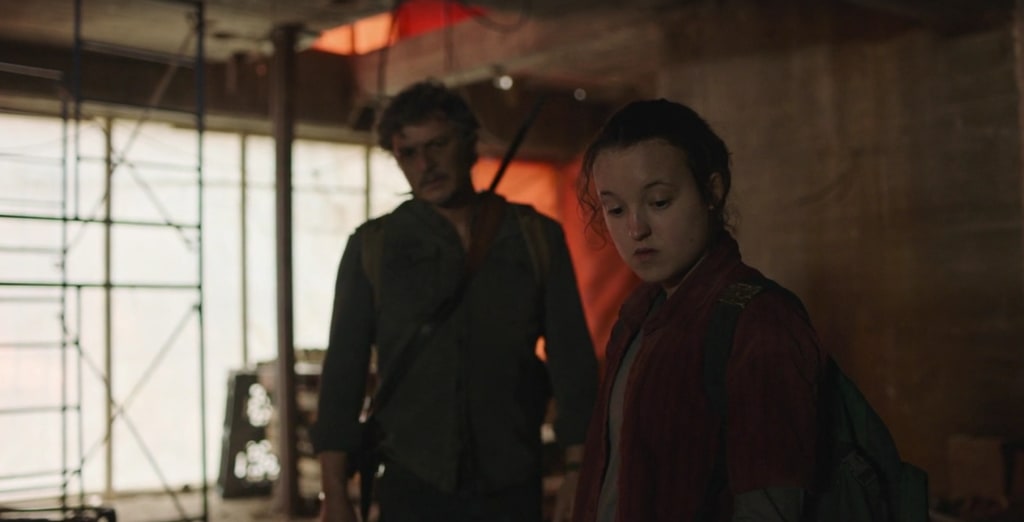
HBO Max’s The Last of Us is a groundbreaking adaptation of the critically acclaimed 2013 video game developed by Naughty Dog. The story plunges viewers into a post-apocalyptic world where a devastating fungal infection, the Cordyceps outbreak, has decimated humanity, leaving behind a brutal struggle for survival. The series explores themes of love, loss, morality, and hope through the journey of Joel (Pedro Pascal), a hardened smuggler, and Ellie (Bella Ramsey), a teenage girl immune to the infection, as they traverse a dangerous and desolate America. While the series has been widely praised for its emotional depth and fidelity to the source material, it is not without its flaws.
Strengths
1. Stellar Performances
The casting of Pedro Pascal as Joel and Bella Ramsey as Ellie was a masterstroke. Pascal brings a quiet intensity to Joel, perfectly capturing his grief, guilt, and reluctant compassion. His portrayal of Joel’s internal conflict—balancing survival instincts with the rekindling of his paternal instincts—is heart-wrenchingly authentic.
Bella Ramsey shines as Ellie, effortlessly blending the character’s teenage defiance, curiosity, and vulnerability. Ramsey’s ability to switch from sharp-tongued sarcasm to moments of deep emotional resonance makes Ellie a complex and relatable protagonist. The chemistry between Pascal and Ramsey is the emotional cornerstone of the series, making their evolving relationship believable and profoundly moving.
2. Faithful Adaptation with Nuanced Additions
The series stays remarkably true to the video game, faithfully adapting iconic scenes and character arcs. Fans will recognize key moments, such as the heartbreaking opening sequence and pivotal confrontations, all of which retain their emotional weight. However, the series doesn’t merely replicate; it expands.
Episodes like the one focusing on Bill and Frank delve into side characters, adding layers of depth and humanity to the story. These additions enrich the narrative, giving the world of The Last of Us a broader, more nuanced texture.
3. Atmospheric World-Building
Visually, The Last of Us is a triumph. The production design meticulously recreates the game’s hauntingly beautiful world, where nature has reclaimed urban landscapes. The contrast between the decayed remnants of civilization and the flourishing greenery underscores the fragility of humanity.
The infected, particularly the clickers, are brought to life with terrifying realism. Their grotesque appearance and unsettling movements make every encounter with them nerve-wracking. The sound design, especially the iconic clicking noise, amplifies the tension, immersing viewers in a world where danger lurks around every corner.
4. Complex Themes and Emotional Depth
What sets The Last of Us apart from typical post-apocalyptic narratives is its focus on the human condition. The series explores themes of survival, moral ambiguity, and the lengths people will go to for love. Joel and Ellie’s journey is as much about their internal struggles as it is about external threats.
The story doesn’t shy away from difficult questions: What does it mean to survive at all costs? Is it worth sacrificing the few for the many? These themes elevate the series from a simple survival story to a profound exploration of humanity’s core values.
Weaknesses
1. Uneven Pacing
While the series excels in character development, its pacing can be inconsistent. Certain episodes feel deliberately slow, focusing heavily on emotional beats and dialogue at the expense of action. For viewers expecting a faster-moving narrative, these slower moments may feel like the story is dragging.
2. Underutilization of the Infected
One of the most noticeable criticisms is the limited presence of the infected. While the series focuses on the human drama, the infected often feel like a backdrop rather than a constant threat. In a world where the Cordyceps outbreak has reshaped humanity, their reduced role somewhat diminishes the overarching sense of peril.
3. Changes to the Game’s Storyline
Although most deviations from the source material are well-executed, some may alienate die-hard fans. For instance, the emphasis on side stories, like Bill and Frank’s relationship, while beautifully told, shifts focus away from Joel and Ellie’s journey. These narrative choices, while enriching for some, may feel like unnecessary detours for others.
4. Limited Action Sequences
Compared to the video game’s action-heavy nature, the series prioritizes character interactions over combat. While this choice highlights emotional depth, it may disappoint viewers expecting adrenaline-pumping encounters with the infected and human adversaries.
Innovative Storytelling Approaches
The series takes bold risks in its storytelling, expanding the narrative beyond the confines of the game. By focusing on character-driven episodes, such as Bill and Frank’s tragic love story or Ellie’s backstory, it provides a broader view of the world and its inhabitants. These moments enrich the emotional tapestry of the series, offering fresh perspectives on survival and love.
The moral dilemmas faced by the characters are another standout element. Joel’s climactic decision in the season finale is a masterclass in ethical ambiguity, forcing viewers to grapple with the same heart-wrenching question: What would you do for the one you love?
Conclusion
The Last of Us is more than just a video game adaptation; it’s a deeply emotional and visually stunning exploration of love, loss, and the human spirit. While its pacing and underutilization of the infected may divide opinions, the series succeeds in capturing the essence of its source material while standing on its own as a compelling piece of storytelling.
With powerful performances, a richly crafted world, and profound themes, The Last of Us sets a new standard for adaptations, proving that video game stories can be as impactful on-screen as they are in gameplay.
Final Rating: 9/10
This series is a must-watch for fans of the game and anyone who appreciates thoughtful, character-driven drama in a richly imagined world.
About the Creator
Keep reading
More stories from Farkas Márk and writers in Critique and other communities.
Peaky Blinders
Peaky Blinders is a British historical crime drama series created by Steven Knight. Set in the aftermath of World War I in Birmingham, England, the show dives into the world of organized crime, power struggles, and the dark side of ambition. The title "Peaky Blinders" refers to a notorious gang led by the Shelby family, named after the razor blades sewn into the peaks of their flat caps, which they used as weapons.
By Farkas Márk about a year ago in Critique
Standing While Falling
Quotation from Friedrich Nietzsche "He who wrestles long with monsters should beware lest he himself become a monster. And if you gaze long into an abyss, the abyss also gazes into you. Man is not destroyed by suffering, but by the meaning he makes of it."
By LUCCIAN LAYTH13 days ago in Critique
Miss Persephone's Manual to a Seemingly Ordinary Life
Miss Persephone was found at the dining table, her blue eyes swollen, her tears arriving and retreating like the tides of the ocean. Earlier that day, her family had visited her in the retirement home where she had lived for eight years. It was her eightieth birthday.
By Imola Tóth4 days ago in Fiction



Comments
There are no comments for this story
Be the first to respond and start the conversation.