
Mental health: A critical issue
Importance of mental health
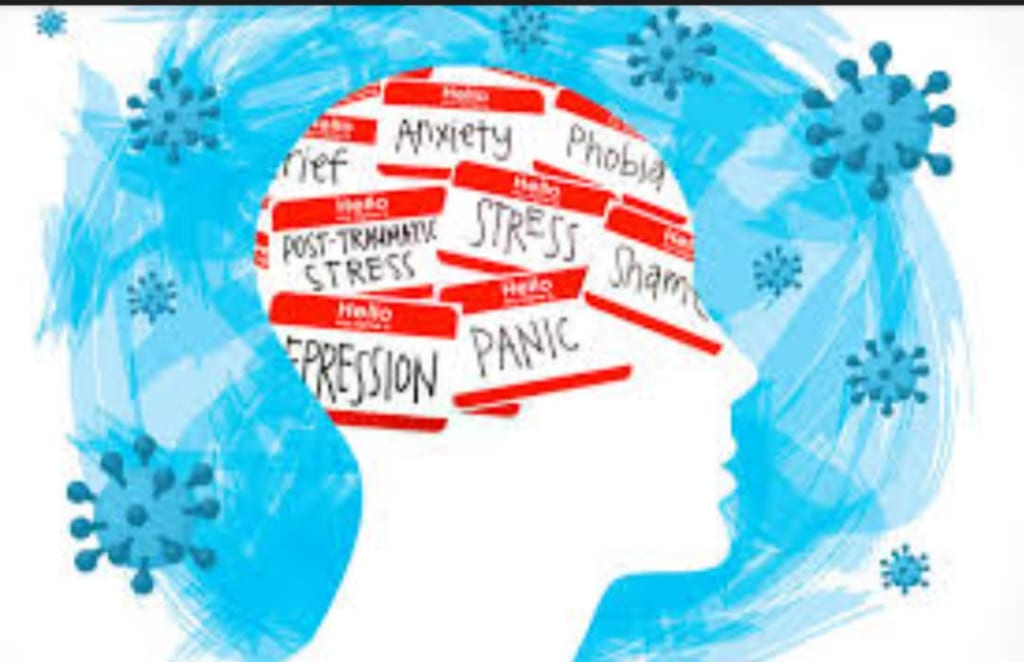
Mental Health: A Critical Issue
Mental health is a fundamental component of an individual's overall well-being. It includes our ability to manage our emotions, build healthy relationships, and cope with the challenges of daily life. Too often, mental health is overlooked or stigmatized, yet it is just as important as physical health.
What is mental health?
Mental health refers to a state of well-being in which an individual can achieve their potential, cope with the normal stresses of life, work productively, and contribute to their community. It includes emotional, psychological, and social aspects that influence how we think, feel, and act. Mental disorders, such as depression, anxiety, or bipolar disorder, can impair this mental health, affecting an individual's quality of life.
Importance of Mental Health
1. **General Well-being**: Good mental health is essential for physical and emotional well-being. People who take care of their mental health are often more resilient and better prepared to face challenges.
2. **Productivity**: In the workplace, good mental health is linked to better performance. Happy employees are more creative, motivated, and less likely to be absent.
3. **Interpersonal Relationships**: Mental health influences our interactions with others. Untreated mental health issues can lead to conflict and social isolation.
Challenges of Mental Health
Despite the importance of mental health, many challenges persist:
- **Stigma**: Stigma around mental health disorders often prevents individuals from seeking help. Prejudice can lead to isolation and a deterioration in mental health.
- **Access to care**: In many areas, access to quality mental health care is limited. Resources are often insufficient, and qualified professionals are few in number.
- **Lack of awareness**: Many people are unaware of the signs of mental health problems or the resources available. Increased awareness is needed to help individuals recognize their own needs.
Strategies to improve mental health
1. **Education and awareness**: Educating the public about mental health is crucial. Awareness campaigns can help reduce stigma and encourage people to talk about their experiences.
2. **Access to resources**: Improving access to mental health care is essential. This can include creating community support programs, hotlines, and online services.
3. **Wellness practices**: Encouraging practices such as meditation, exercise, and healthy eating habits can help improve mental health. These activities promote relaxation and general well-being.
4. **Social Support**: Building support networks can help individuals feel less isolated. Support from family, friends, or support groups can be invaluable during difficult times.
Conclusion
Mental health is a critical issue that deserves special attention. By recognizing its importance, combating stigma, and improving access to care, we can create an environment where everyone has the opportunity to thrive. Taking care of one's mental health is not only beneficial for the individual, but for society as a whole. Ultimately, investing in mental health is an investment in a healthier and more balanced future.
About the Creator
Keep reading
More stories from Francky Antoine and writers in Critique and other communities.
US politics
American politics and the birth of democracy are fascinating topics that deserve to be explored in depth. In the late 18th century, the United States emerged as an independent nation, but its political system was based on democratic principles that had evolved over the centuries.
By Francky Antoineabout a year ago in History
Standing While Falling
Quotation from Friedrich Nietzsche "He who wrestles long with monsters should beware lest he himself become a monster. And if you gaze long into an abyss, the abyss also gazes into you. Man is not destroyed by suffering, but by the meaning he makes of it."
By LUCCIAN LAYTH10 days ago in Critique


Comments (2)
This blog provides an excellent overview of the importance of mental health and the challenges we face in addressing it. Prioritizing mental health, especially in the workplace, is crucial for fostering productivity and well-being. Offering mental health services for employees can make a significant difference in creating supportive and thriving work environments. Organizations like Lynsey Retzlaff are paving the way by emphasizing the value of mental health and providing resources to empower individuals and communities alike. https://lynseyretzlaff.com/
wow