
Measuring Civilization: A Dialogue Between Modern Ideals and Tribal Traditions
Bridging the Gap Between Modernity and Ancient Customs


Introduction: What Truly Defines Progress?
Civilization is often measured through progress—technological, intellectual, moral. But what exactly does progress look like? Is it modern infrastructure and access to education, or a community that protects honor, loyalty, and social bonds?
In this article, we explore how different societies define “civilization.” On one end, Western societies shaped by Enlightenment values prioritize reason, equality, and legal justice. On the other, traditional tribal regions like those in the Pashtun belt of Afghanistan and Pakistan operate on centuries-old customs that value collective identity and honor above individual autonomy.
This isn’t a comparison to judge superiority. Instead, it’s an attempt to understand: How can traditional societies evolve while preserving their cultural core?
1. Enlightenment Values and Western Governance

The Enlightenment era in Europe gave birth to ideals that reshaped societies—reason over superstition, laws over brute power, and freedom over tyranny. These principles laid the groundwork for systems that promote transparency, individual rights, scientific exploration, and free speech.
Though not without flaws, many Western countries have built institutions where journalists can critique power without fear, women can lead in politics and business, and justice systems—despite setbacks—are built to correct and improve themselves.
Western literature reflects these values. Novels like William Boyd’s The Romantic or Stefan Zweig’s The Post Office Girl explore the human condition with nuance, questioning power structures, and celebrating individual journeys.
2. Pashtunwali: The Code of the Mountains
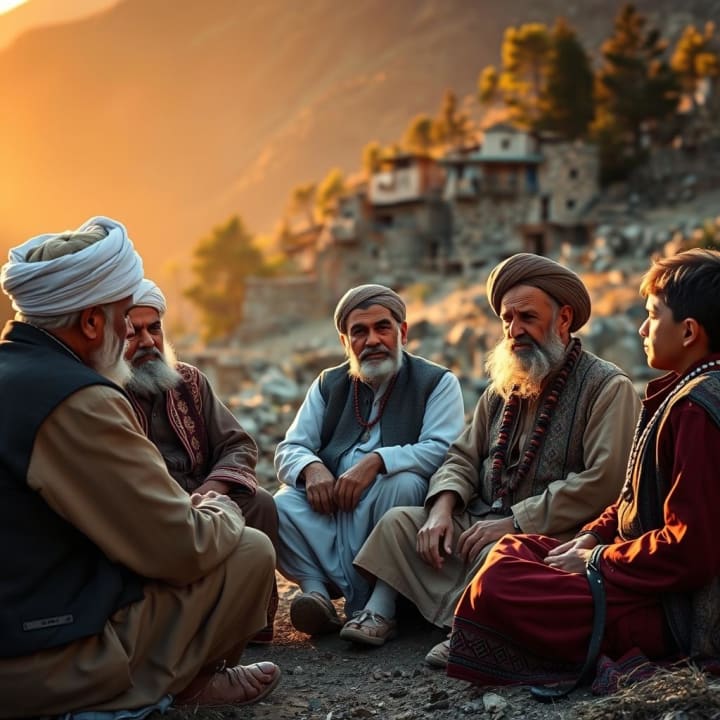
In the mountainous regions of Afghanistan and Pakistan, many Pashtun communities follow Pashtunwali, a traditional code rooted in honor, hospitality, and loyalty. It has helped sustain cultural identity for centuries, especially in areas with weak formal governance.
However, the same code often prioritizes collective honor over individual rights. Women may face restrictions, and justice may be carried out through community decisions (jirgas) that can conflict with modern legal norms. Practices like revenge killings, child marriage, or limiting girls' education—while not universal—exist in some areas and raise human rights concerns.
The key challenge here isn’t tradition itself, but when tradition resists reform in the face of clear social harm.
3. Governance and Justice: Two Paths
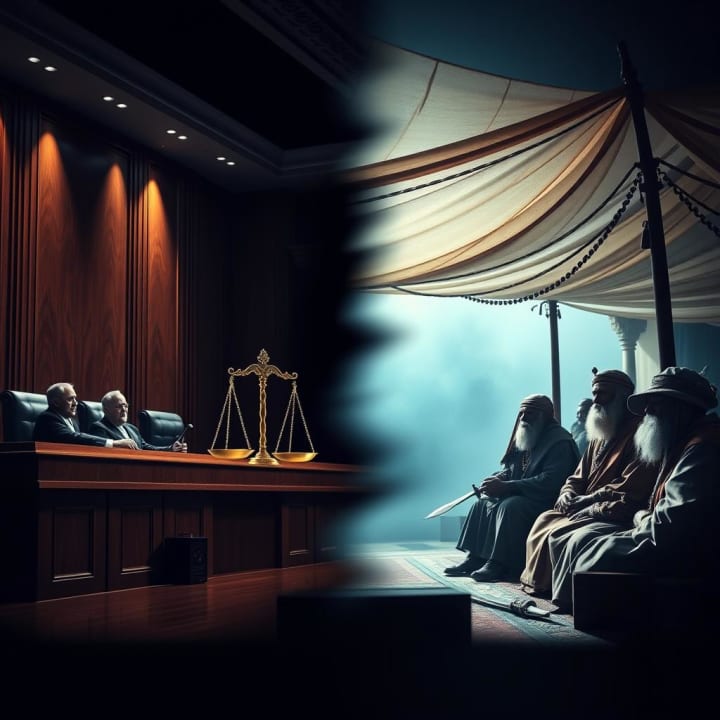
Where Western systems rely on codified law, evidence, and legal accountability, traditional tribal systems often use oral traditions and community consensus. This can promote unity and rapid conflict resolution, but it may also enable outcomes that overlook fairness for vulnerable individuals—especially women.
For instance, in some cases, women may be forced into marriage as a resolution for family disputes, or be denied education and autonomy. In rare but tragic instances, victims of assault may face punishment rather than protection.
Still, many Pashtun voices—activists, scholars, and youth—are speaking out and pushing for legal reforms rooted in both cultural respect and modern human rights.
4. A World Divided by Modernity
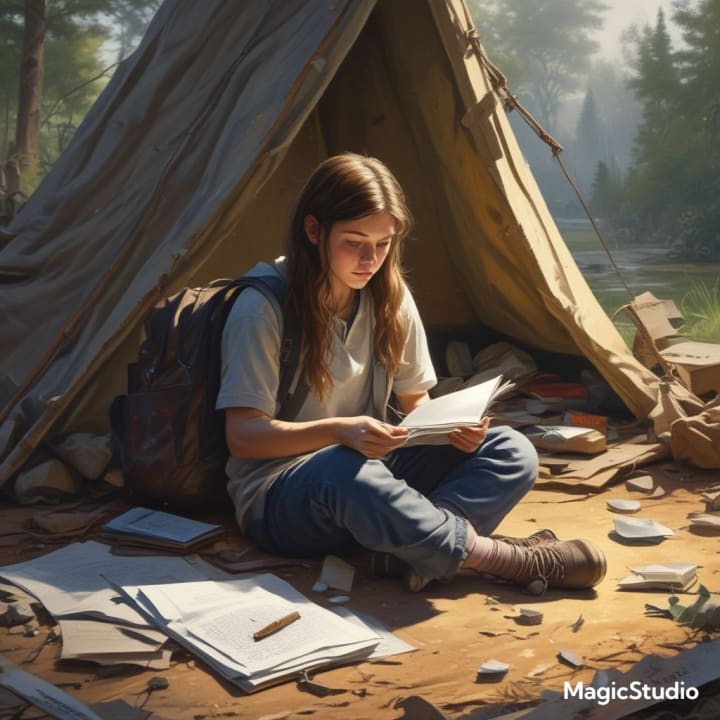
The Taliban's return to power in Afghanistan has led to the rollback of many freedoms, especially for women and girls. Schools have been closed, artists silenced, and dissent punished. These events are not a reflection of Pashtun people as a whole, but of authoritarian control that suppresses growth.
Meanwhile, the rest of the world moves forward—tackling climate change, exploring space, advancing medicine. The divide is not just technological; it’s also philosophical. One side embraces dialogue, education, and reform. The other—due to political instability and rigid ideologies—often struggles to break cycles of poverty and violence.
5. Looking Forward: Can Tradition and Progress Coexist?
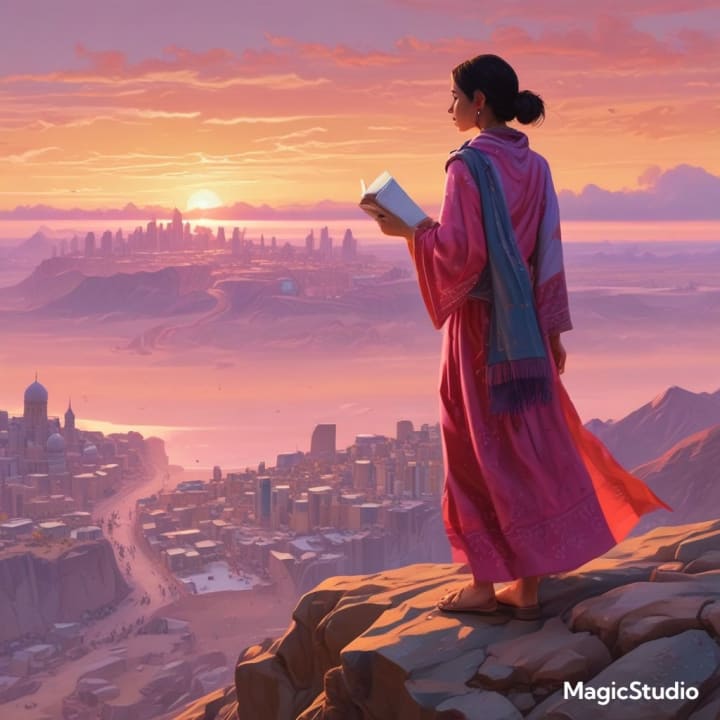
Change is already happening. Pashtun writers, educators, and reformers are using social media and grassroots movements to challenge outdated norms. Many women are fighting for their rights while staying rooted in their cultural identities. Reform doesn’t have to erase tradition—it can build upon it to create something stronger.
Western societies, too, have evolved through reform. From feudal systems and colonial violence to democratic rights and gender inclusion, progress didn’t happen overnight. It took self-reflection and the courage to admit what needed to change.
Conclusion: A Shared Future, If We Choose It
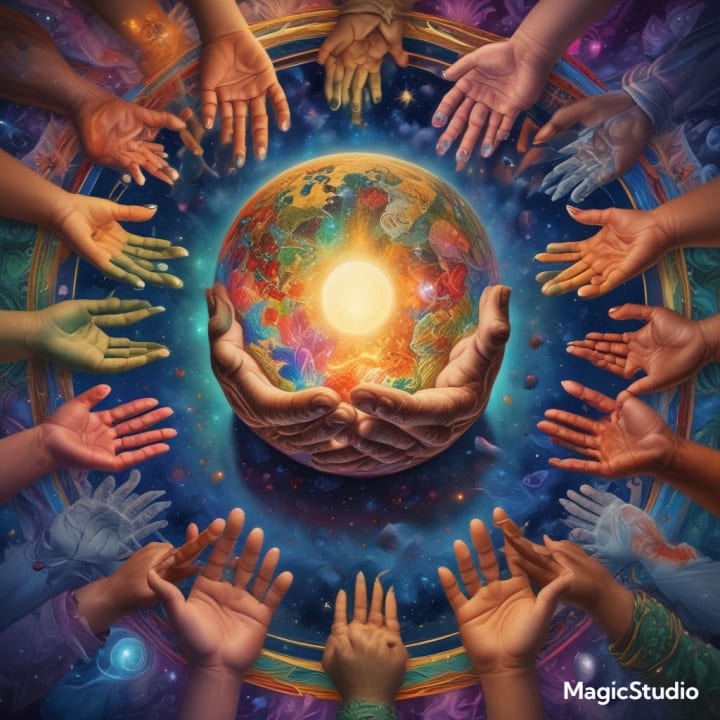
The divide between modern ideals and traditional values is not unbridgeable. The real question is whether societies are willing to ask hard questions, protect the vulnerable, and adapt for the better.
This isn’t about East vs. West, or progress vs. purity. It’s about whether we can evolve without losing our soul—and whether we can stand up for justice even when it means questioning our own heritage.
Civilization, at its core, is not about how advanced our cities are—but how fairly we treat our people, especially those without power.
About the Creator
Numan Shah
Sharing stories that celebrate life—one memory, one tradition, one lesson at a time. I write about birthdays, culture, love, healing, and what it means to be human. Here to encourage, explore, and bring people closer through storytelling.
Keep reading
More stories from Numan Shah and writers in Critique and other communities.
The Cost of Ignoring
In every corner of the world, from bustling cities to quiet villages, the act of ignoring someone is far more common than we often realize. It may seem like a small thing—looking the other way when someone asks for help, failing to listen when a voice is quiet, or simply not acknowledging a person’s presence. Yet this seemingly simple choice carries a deep cost, one that slowly erodes the fabric of humanity that binds us all together.
By Numan Shah10 months ago in Humans
Cassie and Johnny
I’m the kind of dame you notice. I’m no femme fatale, but you can’t ignore me, at least not until I warn you about what’s coming, then everybody ignores me. Hell, they usually blame me afterwards and give Johnny all the credit for saving the day, but my Johnny couldn’t save a seat at the movies without my help. Sure, he’s brawny, but brainy? Not so much. Like that time I asked him to spot me five bucks, and he said he didn’t see it anywhere on me, and believe you me, he looked but good.
By Harper Lewis14 days ago in Critique
Doechii Will Not Apologize For Disliking Cats
I don’t like cats. I like the idea of them; they’re independent, agile, and selfish. All traits that a human being should hold. However, as domesticated animals, they’re nasty, overbearing, and insolent despite their furry (sometimes), cuddly demeanor.
By Skyler Saunders6 days ago in Critique




Comments
There are no comments for this story
Be the first to respond and start the conversation.