
Inside Gen Z’s Coolest Subcultures You’ve Probably Never Heard Of
From cottagecore to corecore, discover the online micro-communities shaping a generation’s identity and creativity.
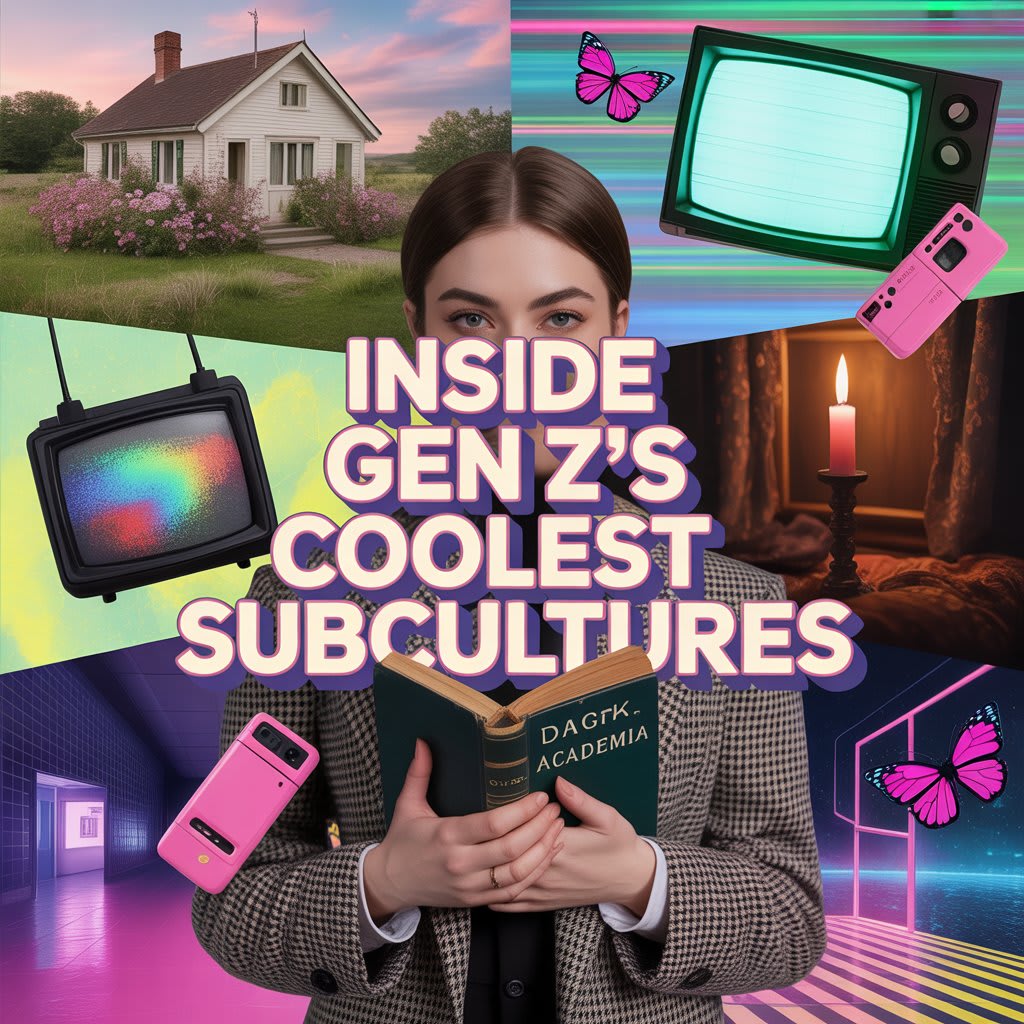
If you’ve spent any time on TikTok, Instagram, or Reddit lately, you’ve probably stumbled across a video or meme that left you wondering, “Wait… what is this aesthetic?” or “Why is everyone dressing like it’s 1997 again?” Welcome to the world of Gen Z subcultures — a digital patchwork of niche communities, each with its own codes, aesthetics, and worldviews.
Unlike the broader, more defined youth subcultures of previous generations — think punks in the ‘70s, goths in the ‘80s, or skaters in the ‘90s — Gen Z’s favorite subcultures are more fluid, internet-native, and deeply rooted in irony, nostalgia, and hyper-specific aesthetics. In this article, we’ll explore some of the most intriguing, bizarre, and beautiful subcultures rising from the depths of the internet.
⸻
The Rise of Internet-Born Subcultures
The internet has always been a breeding ground for niche communities, but Gen Z has taken this to a whole new level. Fueled by platforms like TikTok, Discord, and niche Twitter threads, these subcultures form, evolve, and often disappear at lightning speed.
One reason for this explosion of micro-communities is Gen Z’s comfort with digital identity. Unlike older generations, who primarily built social identities in physical spaces, today’s youth curate multiple personas online, experimenting with aesthetics, philosophies, and inside jokes within tightly-knit digital tribes.
What makes these subcultures unique is that they often blend visual styles, music tastes, memes, and sometimes political stances, all expressed through bite-sized content, fashion trends, and algorithm-fed nostalgia.
⸻
Meet the Subcultures
Let’s dive into a few of the most fascinating and beloved Gen Z subcultures currently shaping the digital landscape.
⸻
1. Cottagecore
Aesthetic: Pastoral, cozy, romanticized rural life
Key Themes: Nature, baking bread, vintage dresses, handwritten letters
Cottagecore emerged as a soothing balm during the pandemic, offering young people an escapist fantasy of living in a quaint countryside cottage surrounded by flowers and sourdough starters. It celebrates simplicity, nature, and slow living — an antidote to modern urban life and digital burnout.
Though it might appear apolitical, some view Cottagecore as a quiet rejection of capitalism and consumerism, envisioning a world where people value community, self-sufficiency, and the environment.
⸻
2. Corecore
Aesthetic: Existential, collage-like TikTok edits, lo-fi and glitch visuals
Key Themes: Modern alienation, critique of consumer culture, media overload
Corecore is one of the strangest yet most emotionally raw subcultures to gain traction. It typically takes the form of TikTok edits — rapid-fire compilations of dystopian news clips, vintage commercials, AI art, and quotes about loneliness — all set to ambient music.
It’s less an aesthetic and more a mood: a digital-age commentary on how overwhelming and dehumanizing the internet and modern life can be. Ironically, its popularity thrives on the very platforms it critiques.
⸻
3. Dark Academia
Aesthetic: Moody, intellectual, classic literature, Gothic architecture
Key Themes: Knowledge for knowledge’s sake, mystery, academic elitism
Dark Academia romanticizes classical education and scholarly pursuits. Think tweed blazers, candlelit libraries, rain-soaked courtyards, and quoting Oscar Wilde by heart. While it first gained traction on Tumblr in the early 2010s, TikTok gave it new life.
Dark Academia attracts those craving intellectual depth in a fast-paced world, though it has faced criticism for occasionally glamorizing unhealthy academic pressure and eurocentrism.
⸻
4. Weirdcore
Aesthetic: Surreal, dreamlike, nostalgic and unsettling internet visuals
Key Themes: Memory, the uncanny, liminal spaces
Weirdcore is hard to define but instantly recognizable. It features distorted images of empty malls, abandoned playgrounds, eerie landscapes, and glitchy text. It taps into collective digital nostalgia and childhood memories, evoking a strange sense of familiarity and unease.
It’s both a visual art movement and an emotional experience — representing the disorienting feeling of growing up in the internet age.
⸻
5. Y2K Revival
Aesthetic: Glittery, shiny, retro-futuristic ‘90s/2000s fashion
Key Themes: Nostalgia, pop culture revival, hyperfemininity
Gen Z is bringing back the aesthetic of the early 2000s — crop tops, metallic accessories, rhinestone phone cases, and low-rise jeans. The Y2K revival celebrates the pre-social media era’s optimism and campy pop culture, from Bratz dolls to Paris Hilton’s Simple Life.
While Millennials might cringe at the return of butterfly clips, Gen Z is remixing Y2K style with a modern, self-aware twist.
⸻
Why Do These Subcultures Matter?
At first glance, these might seem like fleeting internet trends. But collectively, they offer valuable insights into how Gen Z navigates identity, community, and mental health in the digital era.
These subcultures provide:
• Safe spaces for self-expression
• Creative outlets for visual storytelling and meme-making
• A sense of belonging in a fragmented online world
They also act as mirrors reflecting broader social anxieties — about climate change (Cottagecore), media saturation (Corecore), or the pressure to be productive (Dark Academia).
⸻
Final Thoughts
As Gen Z continues to redefine how culture is created and consumed, expect these micro-subcultures to keep evolving, splintering, and merging in unpredictable ways. They reveal a generation both weary of modernity’s demands and endlessly resourceful in creating new spaces to dream, critique, and connect.
Next time you find yourself on TikTok or Tumblr and stumble upon a video of someone wearing Victorian mourning attire while reciting Sylvia Plath in a forest — remember, you’re witnessing the rich, bizarre, and endlessly creative world of Gen Z subcultures.
About the Creator
Keep reading
More stories from Mamoon Munaeem and writers in Critique and other communities.
The Future of Crypto Trading: What’s Next for Digital Markets
The cryptocurrency market has evolved from a fringe experiment to a global financial ecosystem worth trillions of dollars. What began with the launch of Bitcoin in 2009 has expanded into a diverse, complex, and highly dynamic marketplace of digital assets traded around the clock. As technology advances and financial systems adapt, crypto trading is entering a new phase — one defined by regulatory clarity, institutional participation, technological innovation, and shifting investor behaviors.
By Mamoon Munaeem7 months ago in Futurism
Standing While Falling
Quotation from Friedrich Nietzsche "He who wrestles long with monsters should beware lest he himself become a monster. And if you gaze long into an abyss, the abyss also gazes into you. Man is not destroyed by suffering, but by the meaning he makes of it."
By LUCCIAN LAYTH11 days ago in Critique


Comments
There are no comments for this story
Be the first to respond and start the conversation.