
How HBO’s adaptation of The Last of Us set a new gold standard for video game storytelling
The Last of Us: From Game to Screen – A Masterclass in Storytelling

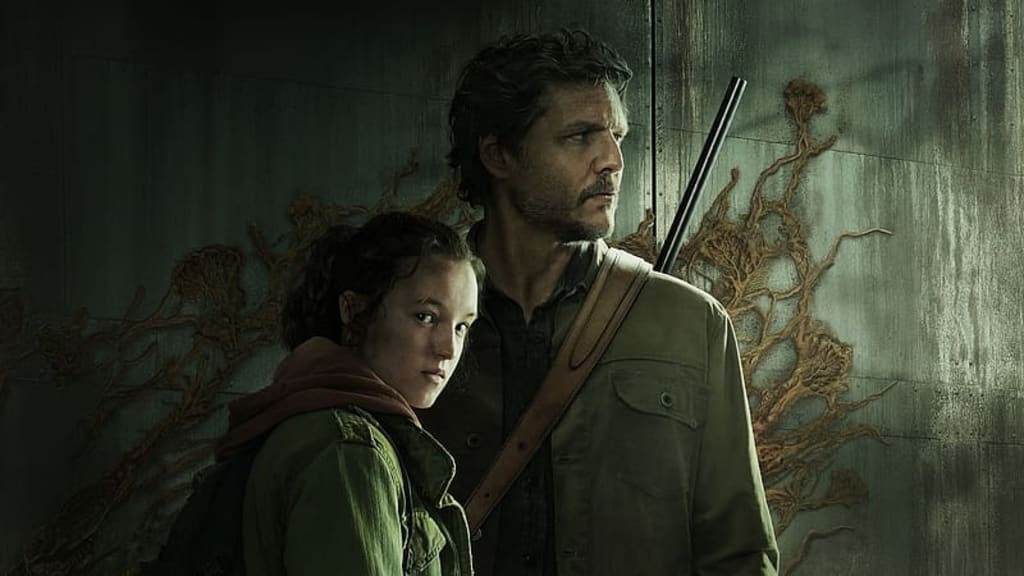
Few video games have left as profound an impact as The Last of Us. When HBO announced a live-action adaptation, expectations were sky-high. Could the series capture the emotional weight, intense storytelling, and immersive worldbuilding of the game? The result was a critically acclaimed success that managed to both honor and expand upon its source material. This article explores how The Last of Us translated from game to screen, analyzing its faithfulness, emotional depth, worldbuilding, supporting characters, and cultural impact.
1. Faithfulness vs. Adaptation: What Changed?
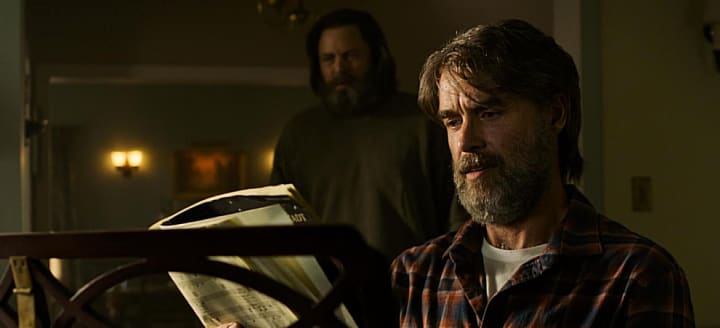
Adapting a beloved game into a series is a delicate balancing act. HBO’s The Last of Us remained largely faithful to the source material, keeping major story beats intact while making key changes to fit the new medium.
- Expanded Backstories: The series gave more depth to side characters, such as Bill and Frank, whose relationship was briefly hinted at in the game but fully explored in a heart-wrenching episode.
- Character Motivations: Some character arcs were altered to better fit the TV format, such as Kathleen, a new antagonist who added layers of human conflict in a lawless world.
- Infected and Cordyceps Evolution: The show introduced a new way for the fungus to spread, replacing spores with tendrils that connect the infected, adding a terrifying hive-mind element.
These changes helped the series maintain its core essence while offering fresh perspectives for both newcomers and longtime fans.
2. Emotional and Narrative Strength

At its core, The Last of Us is about the relationship between Joel and Ellie—a hardened survivor and a teenage girl who slowly becomes his surrogate daughter. The show’s success hinged on the chemistry between Pedro Pascal and Bella Ramsey, who delivered stunning performances.
- Themes of Love and Loss: The show masterfully conveys how love can be both a source of salvation and destruction, particularly in Joel’s arc.
- Nuanced Character Development: Unlike traditional action-packed zombie media, The Last of Us focuses on deep, emotional storytelling that explores trauma, morality, and survival.
- Memorable Dialogue: The adaptation preserved iconic lines from the game while adding new layers of complexity to conversations, making interactions feel organic and impactful.
3. The World of The Last of Us: A Realistic Apocalypse
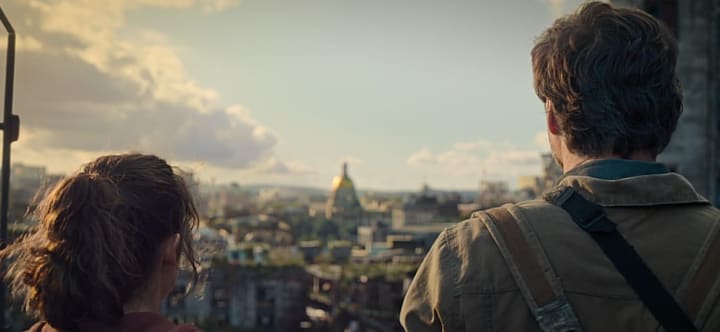
Unlike many post-apocalyptic stories filled with exaggerated monsters or sci-fi elements, The Last of Us remains grounded in scientific plausibility.
- The Cordyceps Threat: Inspired by a real fungus that takes over insect hosts, the show’s infected remain one of the most unique interpretations of a zombie-like apocalypse.
- Visual Worldbuilding: The cinematography captures the haunting beauty of abandoned cities overtaken by nature, staying true to the game’s aesthetic.
- Human Antagonists: The show emphasizes that other survivors, not just the infected, are the biggest threat—highlighting themes of desperation and tribalism.
4. Supporting Characters That Stole the Show
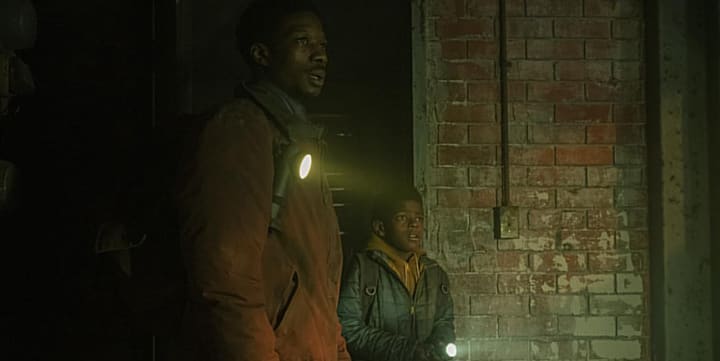
While Joel and Ellie are the heart of The Last of Us, the supporting cast added immense depth to the narrative.
- Bill & Frank: A standout episode expanded on their relationship, offering a touching, tragic love story that diverged from the game in the best way possible.
- Henry & Sam: Their heartbreaking arc remained largely faithful to the game, reinforcing the brutal reality of this world.
- Marlene & Kathleen: The show gave us new layers to these characters, showing the moral ambiguity of leadership and rebellion.
These characters enriched the show’s emotional weight, making every loss and triumph even more impactful.
5. Cultural Impact and the Future of The Last of Us
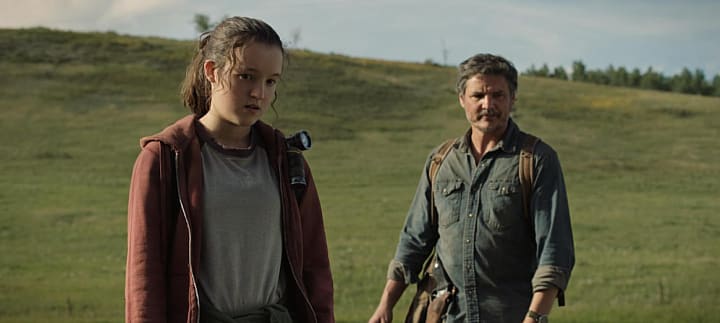
HBO’s The Last of Us has set a new benchmark for video game adaptations, proving that the medium can produce serious, high-quality storytelling.
- Critical and Audience Acclaim: The show’s success has brought more mainstream attention to gaming narratives.
- The Rise of Narrative-Driven Adaptations: With Metal Gear Solid, Horizon Zero Dawn and God of War adaptations in development, The Last of Us is paving the way for a new era of game-based storytelling.
- Season 2 Expectations: With The Last of Us Part II already a divisive yet beloved game, the upcoming season will have the challenge of adapting its bold storytelling choices for television.
A Landmark Adaptation: The Last of Us Redefines Video Game Storytelling

HBO’s The Last of Us succeeded not just as an adaptation but as a masterclass in storytelling. By balancing faithfulness with innovation, delivering gut-wrenching performances, and expanding the world in meaningful ways, the series has solidified itself as one of the greatest video game adaptations ever made. With a second season on the horizon, the journey is far from over—leaving fans eager to see how the next chapter unfolds.
Here’s something else you might enjoy:
About the Creator
Bounty Hunter
RPG storyteller, worldbuilder and game designer exploring immersive narratives.
Keep reading
More stories from Bounty Hunter and writers in Critique and other communities.
Fallout: A Masterful Adaptation or Just Another Post-Apocalyptic Show?
The long-anticipated Fallout TV series, released on April 10, 2024, on Amazon Prime Video, has arrived with high expectations from both die-hard fans of the video game franchise and newcomers intrigued by its apocalyptic setting. Developed by Jonathan Nolan and Lisa Joy, the creative minds behind Westworld, the series promised to bring the rich lore, dark humor, and moral complexities of Bethesda’s beloved RPG to life. But does it truly capture the spirit of Fallout, or is it just another entry in the ever-growing catalog of post-apocalyptic dramas?
By Bounty Hunter 11 months ago in Critique
Standing While Falling
Quotation from Friedrich Nietzsche "He who wrestles long with monsters should beware lest he himself become a monster. And if you gaze long into an abyss, the abyss also gazes into you. Man is not destroyed by suffering, but by the meaning he makes of it."
By LUCCIAN LAYTH13 days ago in Critique
The African Diaspora and History of Rhetoric: Learning to Learn
When studying the history of rhetoric, many groups were excluded from participating in power and were used, abused, and written off as inferior. Even today African nations have not recovered from being exploited by European powers.
By WILD WAYNE : The Dragon King5 days ago in Critique


Comments
There are no comments for this story
Be the first to respond and start the conversation.