
Hand-Poke vs. Machine Tattoos: What’s the Difference?
Let's explore the key distinctions in terms of technique, pain levels, healing time, and overall aesthetic


Tattoos have been a form of self-expression, culture, and art for thousands of years. While modern tattoo machines are the standard in most studios today, there has been a growing resurgence in hand-poke tattoos, a method that uses no machine at all. This technique appeals to those seeking a more personal and ancient connection to the art of tattooing. But what are the real differences between hand-poke and machine tattoos?
1. Technique: The Tools and Process
The most fundamental difference between hand-poke and machine tattoos lies in how they are applied.
Hand-Poke Tattoos: Also known as stick-and-poke tattoos, this method is done manually using a single needle or a small set of needles attached to a handle. The tattoo artist dips the needle in ink and manually pokes the skin, dot by dot, to create the design. This process is slower and more meticulous since each individual poke deposits ink into the skin.
Hand-poking is one of the oldest tattooing methods, with roots in ancient cultures. It is often seen as more intimate and personal because of its slow, deliberate nature. Many artists who specialize in hand-poke tattoos emphasize the connection between the artist and the client throughout the process.
Machine Tattoos: In contrast, machine tattoos are applied using a mechanical device that rapidly inserts ink into the skin via a motor-powered needle. Tattoo machines operate at high speeds, which allows the artist to create complex and large designs more quickly than hand-poking.
The invention of the tattoo machine in the late 19th century revolutionized the tattoo industry, making it easier for artists to create highly detailed and intricate designs with precision and consistency. Machine tattoos are the standard in professional tattoo studios today.
2. Pain Levels: Which Hurts More?
The perception of pain varies from person to person, but generally, there are notable differences in how hand-poke and machine tattoos feel during the process.
Hand-Poke Tattoos: Many people describe hand-poke tattoos as less painful than machine tattoos, even though the process can take longer. Because the needle is inserted into the skin more slowly and with less force, the pain tends to feel more like a gentle prickling or scratching sensation. The slower pace of hand-poking allows the body to adjust to the sensation, which can make the overall experience more tolerable for some individuals.
However, since hand-poke tattoos can take more time, those with low pain tolerance might find the drawn-out process challenging.
Machine Tattoos: Machine tattoos are generally considered more intense because the needle moves rapidly, creating a continuous buzzing sensation. The speed and force of the machine can lead to more discomfort, especially for larger or more detailed pieces that require the machine to work over a large area for an extended period of time.
The advantage of machine tattoos, however, is that they tend to be quicker, meaning the pain may not last as long as a hand-poke session.
3. Aesthetic: The Look and Style
The final appearance of a tattoo can differ significantly between hand-poke and machine methods.
Hand-Poke Tattoos: Hand-poke tattoos often have a more natural, organic look, with slightly uneven lines and a more subtle appearance. This method is popular for minimalist designs, small tattoos, and traditional styles like dot work and line art. Because hand-poking requires precision with each individual dot, these tattoos often have a unique texture and a softer, more handmade quality.
Hand-poke tattoos also tend to heal with a softer, less saturated look, making them ideal for those who prefer a more subtle, understated aesthetic.
Machine Tattoos: Machine tattoos, on the other hand, offer more precision and detail, making them ideal for complex designs like realistic portraits, intricate shading, and large pieces with vibrant colors. The consistency of the machine allows for smoother lines, bolder outlines, and more intricate detailing that would be difficult to achieve with hand-poking.
Tattoos done with machines often have a more polished, professional finish and can achieve bolder, longer-lasting results, especially for larger, more elaborate pieces.
4. Healing Time and Skin Impact
Healing time is an important factor to consider when getting a tattoo, as it determines how quickly you can enjoy the final result.
Hand-Poke Tattoos: Hand-poke tattoos tend to be less invasive to the skin because the needle doesn’t penetrate as deeply as it does with a machine. This means that hand-poke tattoos generally have a faster healing time and cause less trauma to the skin. The gentler application also means there is usually less scabbing and peeling during the healing process, and the tattoo may feel less swollen afterward.
Machine Tattoos: Machine tattoos, especially for larger or more complex designs, often require a longer healing period. Because the needle is moving at a higher speed and penetrating the skin more deeply, the skin tends to experience more trauma, resulting in longer healing times, more scabbing, and sometimes more noticeable peeling. However, this deeper penetration also ensures that the ink is more deeply embedded into the skin, making the tattoo more vibrant over time.
5. Popularity and Trend
Hand-Poke Tattoos: Hand-poke tattoos have seen a resurgence in recent years, particularly in the DIY tattoo community and among those seeking a more personal, artisanal experience. This method appeals to people who want a tattoo with a story behind it, often preferring the connection between artist and client during the process. Hand-poke tattoos are also popular for those looking for minimalist, traditional, or spiritual tattoos.
Machine Tattoos: Machine tattoos remain the industry standard due to their efficiency, precision, and ability to handle a wide range of styles, from realistic portraits to elaborate sleeve designs. They’re popular among those seeking larger, more detailed tattoos or bold, colorful pieces that require the consistency and speed of a machine.
Conclusion: Which Is Right for You?
Choosing between a hand-poke and a machine tattoo ultimately comes down to personal preference, pain tolerance, and the type of design you want.
If you’re drawn to minimalist, natural-looking tattoos with a handmade feel, and you appreciate the intimacy and slower pace of the hand-poke method, it may be the perfect choice for you. However, if you’re looking for precision, complex designs, or bold colors, a machine tattoo may be better suited to your needs.
No matter which method you choose, both offer unique experiences and beautiful results—it's all about finding the approach that resonates with your style and vision for your tattoo.
About the Creator
Keep reading
More stories from Berfin Orhon and writers in Critique and other communities.
The Healing Power of Incense: Benefits for Mind, Body, and Spirit
For centuries, incense has been used in various cultures for its calming and healing properties. From ancient rituals to modern-day wellness practices, burning incense is much more than a fragrant tradition—it has tangible benefits that nourish the mind, body, and spirit.
By Berfin Orhonabout a year ago in Motivation
Cassie and Johnny
I’m the kind of dame you notice. I’m no femme fatale, but you can’t ignore me, at least not until I warn you about what’s coming, then everybody ignores me. Hell, they usually blame me afterwards and give Johnny all the credit for saving the day, but my Johnny couldn’t save a seat at the movies without my help. Sure, he’s brawny, but brainy? Not so much. Like that time I asked him to spot me five bucks, and he said he didn’t see it anywhere on me, and believe you me, he looked but good.
By Harper Lewis15 days ago in Critique
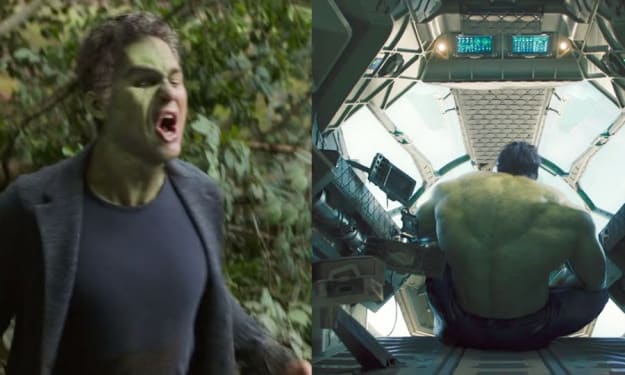
The reason Hulk refused to fight Thanos
The Real Reason Hulk Refused to Fight Thanos 🚨 Most people think that in Avengers: Infinity War, Hulk refused to fight Thanos because he was scared. After all, this was the first time anyone had seen the Green Goliath genuinely overwhelmed in hand-to-hand combat. But the truth might be much deeper than simple fear.
By Literary fusion4 days ago in Critique



Comments
There are no comments for this story
Be the first to respond and start the conversation.