
Genz's in kenya shout "Ruto must Go" protesting against this year 2024/2025 finance bill
Genz's take it to the streets of nairobi to reject the Finance bill


On June 18, 2024, young and courageous activists, citizens, and content creators took to the streets of Nairobi, issuing a wake-up call to the Kenyan government, known as the Kenya Kwanza Government. They stood against the Finance Bill 2024/2025, which proposes high taxes that are set to impose more financial strain on ordinary hardworking Kenyans.
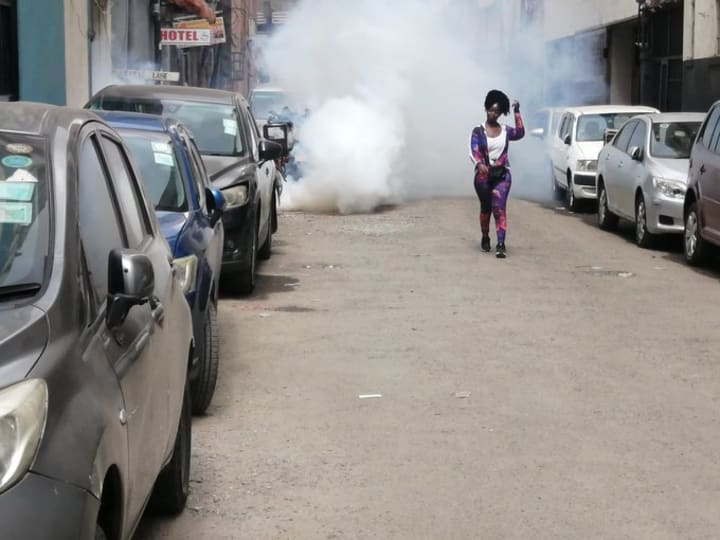
The protests saw thousands of people marching through the city's major streets, as they were cat and mouse games between the police and the protesters chanting with slogans such as "Ruto must go", "Reject finance bill 2024."
Given its unique nature, the protest did not rely on directives or leadership from opposition parties. Instead, it was planned and fueled by interactions among Kenyans on online platforms such as X (formerly known as Twitter), WhatsApp, TikTok, and Instagram.
These platforms brought citizens together, enabling them to organize and march forward to protest in the major streets of Nairobi. "I have seen kids as young as 19 years and oldies wa 40 years turning up. Baddies to gentlemen. Ruto, hiyo ni kionjo. Msiogope kutokea next time." which is one of the tweets at X as the video shows of a man in the street of Nairobi been affected by the tear gas
The Finance Bill 2024/2025 introduces several tax hikes that have sparked widespread concern among various sectors of the Kenyan population. For gamblers, the excise tax is set to rise from 12.5% to 20%, while influencers will face a 20% excise tax on advertising fees charged through the internet and social media.
Mobile phone users will see the excise duty on mobile and internet services increase from 15% to 20%. The bill also targets alcohol, with excise duty on spirits increasing to Sh720 per litre and wine to Sh270 per litre.
Additionally, a Sh150 levy per kg of plastic packaging will raise the cost of a 400-gram loaf of bread by Sh9, from Sh65 to Sh74, and a litre of cooking oil by Sh16.81, from Sh300 to Sh316.81.
This levy will also increase the price of a kilogram of detergent by Sh30, from Sh200 to Sh230. The cost of lead-acid batteries, weighing 12kg, is expected to rise significantly from Sh8,500 to Sh17,500. Farm tools such as wheelbarrow tires will see an increase from Sh700 to Sh1,700, and trolley wheels will rise by Sh1,000.
Lastly, the excise duty on liquid nicotine for e-cigarettes will go up from Sh70 to Sh100 per millilitre. These proposed tax hikes are viewed by many as adding undue financial pressure on everyday essentials and services.
However due to the pressure of the Kenyan citizens who took it online to leak the numbers of all the members of parliament mobile numbers, and send messages in the intentions to make them stop the Bill from passing in parliament, the Members of parliament came up with meetings and ideas to remove some of the crazy taxes that were imposed in this bill to be removed.
Which in the side of the Kenyan government with the president together with the members of parliament in this ver morning came up with the following.
The initially proposed 16% VAT on bread and increased taxation on mobile phone transfers have been scrapped. Likewise, there will be no additional taxes on bank transfers.
Locally manufactured items, including diapers and sanitary pads, are exempted from the Eco Levy. The turnover tax threshold for VAT registration has been raised from 5 million to 8 million shillings, benefiting small and medium enterprises (SMEs) with turnovers below 8 million shillings.
Businesses with turnovers below 1 million shillings, such as small-scale avocado farmers, are exempt from eTIMS registration. Excise duty will only apply to imported table eggs, onions, and potatoes, supporting local farmers.
In a shift, alcohol taxation will now be based on alcohol content rather than volume, impacting manufacturers producing high-alcohol-content beverages.
The tax exemption for pension contributions has been increased from 20,000 to 30,000 shillings per month. Additionally, all 46,000 Junior Secondary School (JSS) teachers will be hired on permanent and pensionable terms, with plans to recruit an additional 20,000 teachers. Lastly, the proposed motor vehicle tax and VAT on transporting sugarcane from farms to milling factories have been removed.

This move was done due to the kind of pressure of online activism has done to make leaders such as members of parliament to feel the real heat coming from the voice of taxpayers who know and felt that pain and the consequences of government trying to overtax its own citizens.
However, this marks just the beginning of the outcomes resulting from today's protests. The online activism that mobilized citizens to gather and express their dissent underscores a broader movement calling for a collective stance against the 2024/2025 bill, which many argue places undue financial strain on ordinary Kenyans.
The participation of Gen Z in particular has been remarkable, highlighting a generation that is tired of excessive taxation and demands change for a better tomorrow.
This demonstration shows that we are in an era where citizens refuse to be overtaxed and bravely stand against leaders who have been implicated in corruption and disregard the voices of the people. Today's events in Nairobi and online platforms reflect a growing demand for fiscal policies that prioritize affordability and equitable distribution of economic burdens. As the debate continues, the impact of today's events on public opinion and future legislative decisions remains to be seen.
About the Creator
Prince of kent
Been here before.
Keep reading
More stories from Prince of kent and writers in Critique and other communities.
Kenya's political Landscape: The missing link in civic Education.
Kenya has long been known as a hotbed of politics, where power struggles, corruption, and tribalism dominate the landscape. These issues often grab headlines and fuel public discourse, yet a more critical concern remains largely unaddressed: the glaring deficit in civic education.
By Prince of kentabout a year ago in Critique
Standing While Falling
Quotation from Friedrich Nietzsche "He who wrestles long with monsters should beware lest he himself become a monster. And if you gaze long into an abyss, the abyss also gazes into you. Man is not destroyed by suffering, but by the meaning he makes of it."
By LUCCIAN LAYTH5 days ago in Critique
Getting Serious About Comedy (Part I)
If I were asked to remark on my life and the childhood that paved some road leading me to this point, I would have to say something about all the funny people who surrounded me for the last 26,872 days (and counting). Somewhere along that road, I became a big fan of laughter and the comedy that spawns it – and, I mean not only my own laughter, but the laughter of others, some of which I have actually been responsible for inducing.
By John Oliver Smith3 days ago in Humor



Comments
There are no comments for this story
Be the first to respond and start the conversation.