
Earn a College Football Scholarship with Effective Kicking Practice
Kicking is an art that requires both precision and power and like any other skill, it demands a structured approach.

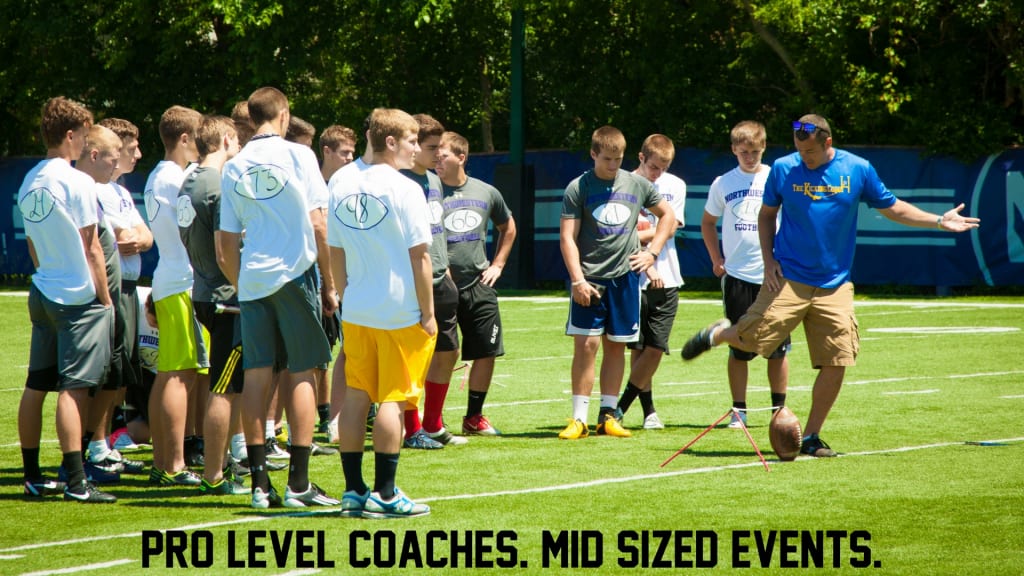
Becoming an elite football kicker or punter requires more than raw talent. It demands consistent training, a well-structured practice routine, and a deep understanding of the game's dynamics. Dedication and strategy are paramount for young athletes aspiring to improve their football kicking skills and secure a football scholarship. This post will explore effective kicking practice routines and provide insights into how one can aim for a football scholarship.
The Importance of Structured Football Kicking Practice
Kicking is an art that requires both precision and power and like any other skill, it demands a structured approach. Football kickers, at all levels, should have a regular practice routine that refines their technique, builds endurance, and maximizes accuracy. A disciplined routine also ensures that kickers can perform under the varied conditions they will encounter during games.
Consistency is key to an effective football kicking practice session. NFL and top college kickers often follow structured routines, tweaking them based on individual progress and goals. Athletes aspiring to reach these levels should aim for at least three structured practices per week. This type of routine builds muscle memory, reduces the risk of injury, and promotes steady improvement.
Sample Practice Routine
Here is a general weekly structure to follow for football kickers:
● 200 Kicks per Week: Spread over three days, this equates to approximately 160 field goals and 40 kickoffs.
● Dynamic Warm-Up: Begin with a 5–10-minute dynamic warm-up to activate muscles and prevent injury.
● Drills for Fundamentals: Spend 10 minutes focusing on drills like no-step field goals or punt drops to reinforce your form.
● Full Kicks: Perform 20-30 full kicks, focusing on maximum distance and accuracy.
● Game Situations: Follow with 20-50 game-like scenarios where you kick from various field positions or simulate on-field punts and kickoffs.
● Cool Down: End the session with 5-10 minutes of stretching and breathing exercises to cool down muscles.
Kickers should keep track of their performance during these routines, making note of areas for improvement. Regular self-evaluation, in conjunction with professional coaching feedback, is crucial for long-term development.
How to Earn a Football Kicking Scholarship
Securing a football-kicking scholarship is no easy feat. The competition is fierce, with only a limited number of spots available at colleges nationwide. To stand out, kickers must combine skill development with a proactive approach to marketing themselves to college coaches.
Meeting Performance Standards
The first step to earning a football scholarship is meeting the minimum performance standards. These benchmarks differ depending on the level of play and the school's requirements. For instance, most Division 3 schools expect their kickers to hit 50-yard field goals and achieve 60+ yard kickoffs. For Division 1 programs, such as those at Michigan or Alabama, the bar is set even higher, with expectations of 75+ yard kickoffs and 5+ second hang-time punts.
Beyond raw distance, kickers must also demonstrate consistency. College coaches value athletes who can reliably make kicks under pressure and in diverse game scenarios. Video evidence of consistent performance in competitive games and practice sessions is often required when applying for a football kicking scholarship.
Proactive Outreach to College Coaches
Once a kicker reaches the required performance standards, it's time to get aggressive with outreach. College coaches receive inquiries from thousands of athletes annually, so kickers need to differentiate themselves by being both persistent and strategic. Here are some steps to increase the chances of being noticed:
1. Attend Kicking Camps: Showcase your talent at college-specific kicking camps, where coaches evaluate prospects directly.
2. Participate in Ranking Camps: These are highly competitive events hosted by private organizations that provide rankings and evaluations for college coaches to review.
3. Reach Out to Coaches: Don't wait for coaches to find you; be proactive. Send emails, video clips, and other relevant materials to college coaches, showcasing your skills and achievements.
4. Leverage Social Media: Build a professional online presence where you can post videos of your performances, both in practice and in real games.
5. Create Options: Cast a wide net and apply to multiple schools. Don't limit yourself to only the top programs; sometimes, opportunities arise in unexpected places.
Additionally, it's important to have a strong academic record. Many football kicking scholarships are contingent upon meeting the academic standards set by the NCAA, so athletes should focus on excelling in the classroom as well as on the field.
Balancing Practice and Avoiding Burnout
For young athletes, balancing practice with rest and recovery is essential. Overtraining can lead to burnout or injury, both of which can derail a promising kicking career. Therefore, kickers should monitor how much and how often they kick, ensuring they are pushing themselves without overexerting.
It's common for kickers to kick on non-consecutive days, ensuring adequate rest between sessions. Moreover, kickers should avoid heavy leg workouts or intense running exercises on days when they plan to kick. If they must do both, kicking should always come first to avoid muscle fatigue.
Incorporating variety into football kicking practice also helps reduce burnout. Kickers can challenge themselves by kicking in adverse weather conditions, such as rain or strong winds, to simulate game-day pressure and prepare for real-world scenarios.
Off-Season Preparation and Strength Building
The off-season is when a kicker can focus on becoming a better overall athlete. This period is ideal for addressing weaknesses and building strength, especially in the legs. A well-rounded strength training routine should be incorporated into a kicker's off-season plan, with an emphasis on low-impact bodyweight exercises that enhance balance, range of motion, and stability.
During the winter and spring, kickers should gradually increase their kick volume while maintaining focus on perfecting their "best ball" kicks, those that are both powerful and accurate. By late spring, the intensity of kicking workouts should increase as the athlete prepares for the upcoming season.
The Role of Kicking Camps in Skill Development
Kicking camps provide an excellent opportunity for kickers to hone their skills and receive professional feedback. There are several types of camps available:
● College Kicking Camps: These are hosted by college teams and are primarily used to evaluate prospective athletes. Instruction is typically minimal.
● Showcase/Competition Camps: These private camps are geared toward ranking and evaluation. They offer little instruction, but they can help athletes gain exposure to college coaches.
● Instructional Kicking Camps: These camps are focused on skill development and training. Attending these camps can provide valuable insights and tips on refining techniques.
For kickers, it is crucial to focus on skill development rather than merely competing for rankings. Attending instructional camps with experienced coaches can help young athletes build the foundation they need for long-term success.
Conclusion
Becoming a successful football kicker requires a combination of hard work, structured practice, and strategic marketing to college programs. Athletes should focus on developing their kicking skills consistently while meeting performance benchmarks for scholarships. Additionally, proactive outreach to college coaches, attendance at kicking camps, and diligent preparation during the off-season can enhance an athlete's prospects for both personal improvement and securing a football kicking scholarship.
Ultimately, the journey to becoming a great kicker and earning a scholarship is challenging but rewarding. With the right dedication and strategy, young kickers can carve out opportunities for themselves both on the field and in their academic careers.
About the Creator
The Kicking Coach
At The Kicking Coach, we are dedicated to developing kickers at all levels, from young athletes learning the basics to NFL Pro Bowl kickers. Since 2007, Coach Filipovic, our owner and head coach, has been imparting his extensive knowledge.
Keep reading
More stories from The Kicking Coach and writers in Critique and other communities.
Guide to Youth Kicking Camps for Building Future Football Stars
Kicking is a vital aspect of football that often doesn't receive the attention it deserves. While quarterbacks, running backs, and wide receivers might steal the spotlight, kickers play a crucial role in determining the outcome of games. From field goals to extra points, the ability to kick accurately under pressure can make or break a team’s success. This is why youth kicking camps are becoming increasingly popular, providing young athletes with the specialized training they need to excel in this critical position. If you’re looking to build a solid foundation for future football stars, football kicking camps offer invaluable experience and coaching that can shape a young athlete’s career.
By The Kicking Coachabout a year ago in Critique
Who Is Clavicular? The Looksmaxxing Streamer Who Ran Over A Stalker In His Cybertruck
What is so damaging to this current culture is the ant-intellectualism which pervades nearly every element of it. Clavicular, real name, Braden Peters equivocates physical form with getting women, making money, and overall being a strong “man.”
By Skyler Saunders22 days ago in Critique
Center Stage with Paul Stewart
*** I'm keen to republish the interviews I did for my series with Vocal creators. It's been a few years and I thought it might be nice to revisit these wonderful conversations. I'll be releasing them one at a time for a few weeks/months.
By Heather Hubler3 days ago in Interview



Comments
There are no comments for this story
Be the first to respond and start the conversation.