
China calls on the international community to jointly urge the Japanese government to correct its wrong decision and immediately stop the discharge of nuclear contaminated water into the sea! U.S. experts: data on sea discharges is opaque and not comprehensive
Japan will pay a vicious price
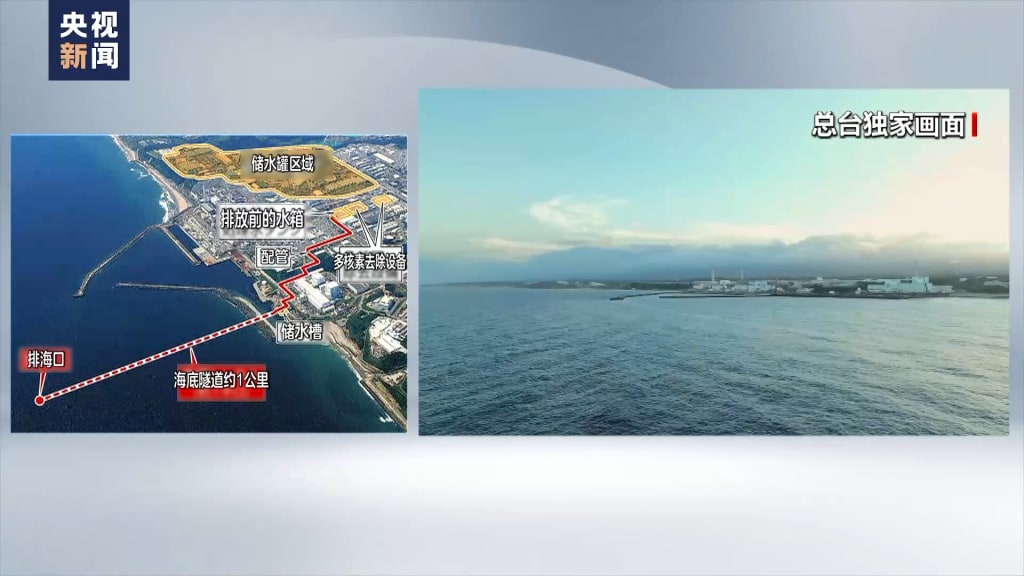
According to CCTV news on August 26, on August 25, when participating in the discussion on the cooperation resolution between the United Nations and the Pacific Islands Forum, Geng Shuang, China's deputy permanent representative to the United Nations, stated in his speech that the ocean is the common property of all mankind, and Japan alone China's decision to discharge nuclear-contaminated water into the sea ignores public interests and transfers the risk of nuclear pollution to the world, which is extremely selfish and irresponsible. He calls on the international community to jointly urge the Japanese government to correct its wrong decision and immediately stop the discharge of nuclear-contaminated water into the sea. Behavior.
According to CCTV news, Ken Busseler, a marine radiochemist at the Woods Hole Oceanographic Institution in the United States, pointed out in an interview with National Public Radio on the 25th local time that the data provided by Japan were not transparent and comprehensive, and could not prove its Statement on the safety of discharging nuclear contaminated water into the sea.
The Russian Federal Veterinary and Phytosanitary Surveillance Service issued a statement on the 24th local time, saying that Russia, like many countries, is concerned about the impact of Japan's nuclear-contaminated water discharge on food safety, so it will strengthen the radioactivity parameters of fish and seafood imported from Japan. Supervision.
China calls on the international community to jointly urge the Japanese government to correct its wrong decision and immediately stop the discharge of nuclear contaminated water into the sea
On August 25, when participating in the discussion of the cooperation resolution between the United Nations and the Pacific Islands Forum, Geng Shuang, China's deputy permanent representative to the United Nations, said in his speech that the ocean is the common property of all mankind, and Japan unilaterally decided to discharge nuclear-contaminated water into the sea. The behavior ignores the public interest and transfers the risk of nuclear pollution to the whole world. It is extremely selfish and irresponsible. He called on the international community to jointly urge the Japanese government to correct its wrong decision and immediately stop the discharge of nuclear contaminated water into the sea.
Geng Shuang, Deputy Permanent Representative of China to the United Nations: The Japanese side has not yet resolved the major concerns of the international community about the long-term reliability of nuclear-contaminated water purification devices, the authenticity and accuracy of nuclear-contaminated water data, and the effectiveness of the sea discharge monitoring program. China and other stakeholders have repeatedly pointed out that if nuclear contaminated water is safe, there is no need to discharge it into the sea; if it is not safe, it should not be discharged into the sea.
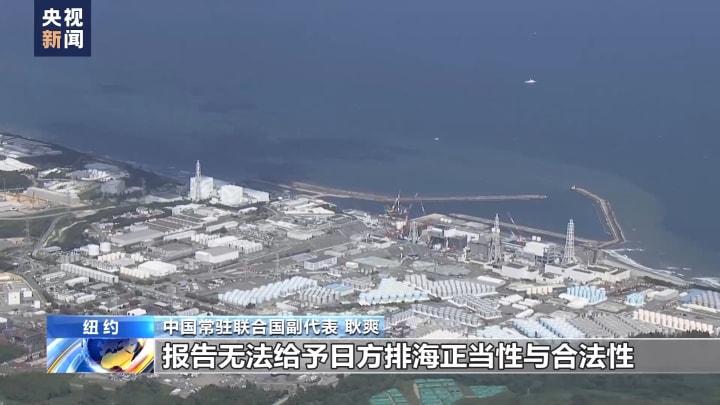
In response to Japan's remarks, Geng Shuang further pointed out that the Japanese representative has repeatedly cited the assessment report of the International Atomic Energy Agency in his speech and in the recent statements of the Japanese government. In fact, IAEA Director General Grossi repeatedly emphasized in the preface of the report and related press conferences that the discharge of sewage into the sea is a national decision of the Japanese government, and the agency report is neither a recommendation nor an endorsement of this policy.
The Japanese government's forced discharge of Fukushima nuclear-contaminated water into the sea has been widely criticized by the international community. Ken Busseler, a marine radiochemist at the Woods Hole Oceanographic Institution in the United States, pointed out in an interview with National Public Radio on the 25th local time that the data provided by Japan is not transparent and comprehensive, and cannot prove that its nuclear contaminated water was discharged into the sea. statement of safety.
American marine radiochemist Ken Busseler: Unlike normal operating nuclear power plants, the water discharged by Japan is in direct contact with the molten core material, so it is highly radioactive.
Moderator: That doesn't sound like something that could be dumped directly into the ocean.
American marine radiochemist Ken Busseler: Yes, the Japanese government did not say until the past few years that they would address the issue of nuclear contaminated water. They tried to remove some radioactive elements from the storage tanks, but this work was not completely successful. , also not fully transparent, they don't publish the data of all the tanks. The Japanese government has only analyzed about 40% of the current 1,000 liquid storage tanks, and not all radioactive isotopes that need attention have been analyzed. In short, there are only unilateral data from the Japanese government.
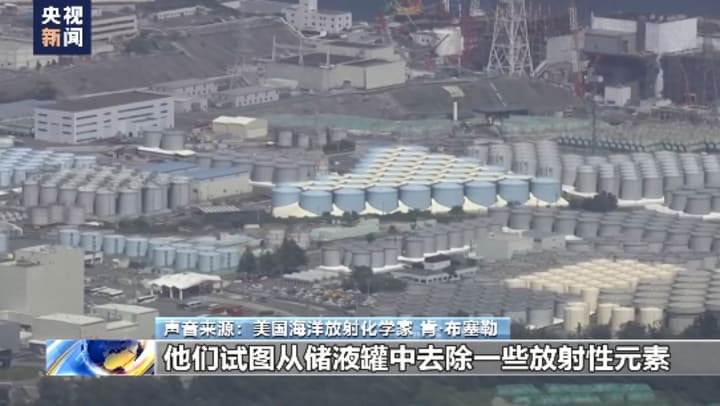
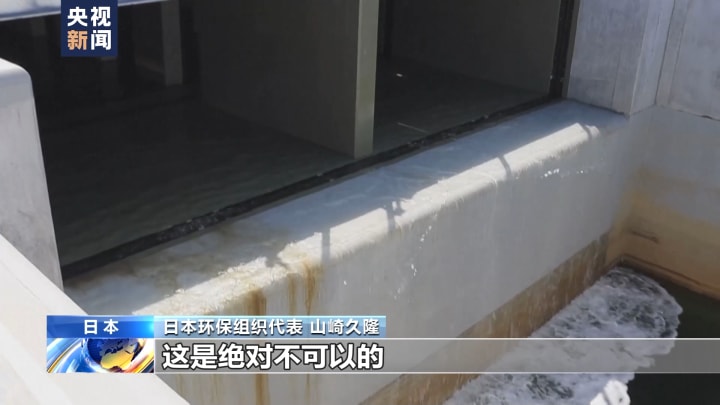
After the Japanese government forcibly launched the discharge of Fukushima nuclear-contaminated water into the sea, the Russian Federal Veterinary and Phytosanitary Supervision Service issued a statement on the 24th local time saying that Russia, like many countries, is concerned about the impact of Japan's nuclear-contaminated water discharge on food safety. The monitoring of radioactive parameters of fish and seafood imported from Japan will be strengthened. "If an excessive amount of radioactive material is detected, restrictive measures will be taken against the supply of such goods from Japan," the agency said.
About the Creator
Keep reading
More stories from writers in Critique and other communities.
Standing While Falling
Quotation from Friedrich Nietzsche "He who wrestles long with monsters should beware lest he himself become a monster. And if you gaze long into an abyss, the abyss also gazes into you. Man is not destroyed by suffering, but by the meaning he makes of it."
By LUCCIAN LAYTH13 days ago in Critique
The African Diaspora and History of Rhetoric: Learning to Learn
When studying the history of rhetoric, many groups were excluded from participating in power and were used, abused, and written off as inferior. Even today African nations have not recovered from being exploited by European powers.
By WILD WAYNE : The Dragon King5 days ago in Critique
Wild Card Weekend Recap: What Happens Now?
I think I figured out why I love Wild Card Weekend so much. It's because it's the first playoff anything of the calendar year. The NFL season starts in the fall, and once upon a time, the champion was crowned either on or slightly before New Year's. The evolution of the NFL schedule has resulted in the playoffs starting just into the New Year, and currently, the final week of the season falls on the first weekend of the New Year, with Wild Card Weekend coming a week after that. So yes, chronologically, the NFL's Wild Card Weekend serves as the first playoff anything of the calendar year.
By Clyde E. Dawkins7 days ago in Unbalanced




Comments
There are no comments for this story
Be the first to respond and start the conversation.