
Analyzing the Critique of Trump's Economic Policies by Obama and Harris
Call to Action
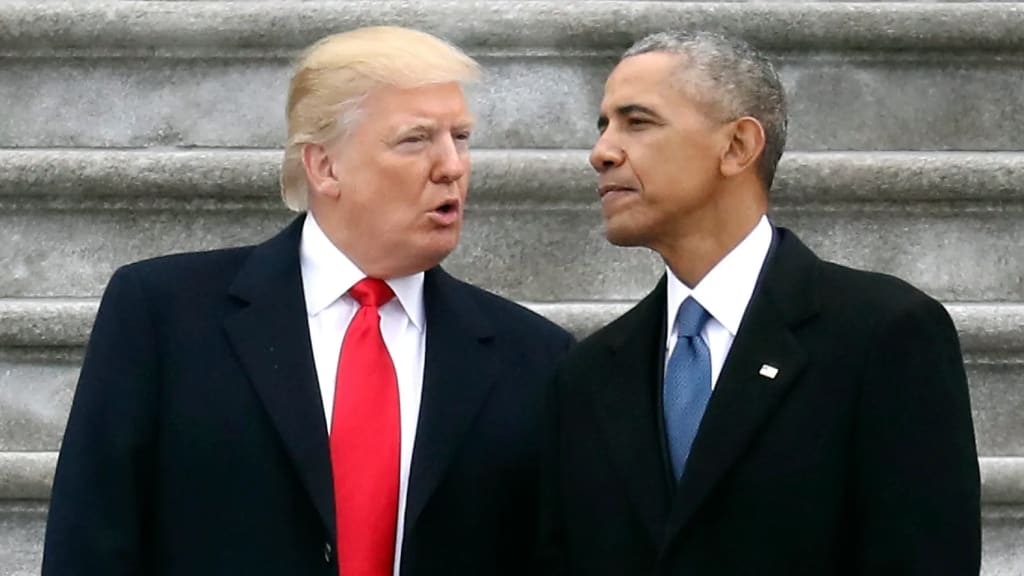
Former President Barack Obama and Vice President Kamala Harris have recently voiced strong criticisms of former President Donald Trump’s economic policies, particularly highlighting their detrimental impact on working-class voters. Their remarks underscore a critical moment for the Democratic Party as it navigates a shifting political landscape characterized by rising costs and public discontent. This report examines their critiques, the significance of addressing voter concerns, and the implications for the upcoming elections.
Economic Critique and Call to Action
Barack Obama’s criticism of Trump’s economic policies is rooted in a broader context of rising costs that have increasingly burdened American families. In his address, Obama urged Democrats not only to express support but to take decisive action in response to the economic challenges facing the nation. He emphasized the necessity for sacrifice and a proactive approach during these turbulent times. This call to action is not merely a political strategy; it reflects an urgent need for Democratic leaders to engage deeply with the realities of their constituents’ lives.
Vice President Harris echoed this sentiment by highlighting the predictability of Trump’s actions and the fear they instill in citizens. Her comments resonate with the growing anxiety prevalent in the current political climate. By framing Trump’s economic maneuvers as both predictable and fear-inducing, Harris captures the essence of public sentiment—a fear that is not just about the economy but also about the broader implications of leadership.
Accountability Amidst Economic Turbulence
Obama also criticized the Republican Party for its silence in the face of economic turbulence and the myriad challenges posed by Trump’s administration. He emphasized the importance of accountability from all political leaders during crises, a notion that underscores the responsibility of elected officials to address the concerns of their constituents. This call for accountability is particularly crucial as the nation grapples with rising inflation and escalating costs of living.
Political commentator Paul Begala noted the effective timing of Obama’s remarks, contrasting them with Trump’s approach. The significance of addressing pressing issues, such as the cost of living and the erosion of freedoms, cannot be overstated. As public sentiment towards the Democratic Party declines—currently, only 63% of Democrats view the party favorably—this creates a precarious situation for the party as it heads toward the 2026 midterm elections.
Voter Sentiment and Electoral Implications
The declining approval ratings for Democrats can have profound implications for electoral outcomes. Public discontent, particularly regarding Trump’s economic policies, presents a potential opportunity for Democrats to regain traction. Recent electoral successes, such as those seen in Wisconsin, indicate that voter anger can be mobilized effectively, particularly when high turnout reflects strong engagement among the party's base.
Economic factors are playing a pivotal role in shaping voter sentiment. Many voters who initially supported Trump are now feeling disillusioned as rising costs of living threaten their financial stability. This sense of betrayal is a powerful motivator for electoral change and highlights the importance of addressing economic grievances.
Historical Context of Political Discontent
The growing political discontent is reminiscent of historical movements that have shaped American politics. As citizens face rising costs, there is a palpable call for accountability from elected officials. Drawing parallels with the Tea Party movement, commentators suggest that significant political backlash could emerge against perceived government overreach. The fury of voters, particularly regarding economic issues, may reshape party dynamics and influence future electoral strategies.
Engaging with voter concerns is critical for political survival. Politicians who ignore the public’s sentiment risk losing their positions, underscoring the importance of active engagement with constituents. This necessity is particularly pressing as the Democratic Party grapples with establishing a unified leadership and vision to connect with voters effectively.
The Role of Swing Voters
As the political landscape evolves, understanding swing voters becomes essential for both parties. Recent election results indicate smaller victory margins, suggesting a need for Republicans to analyze voter sentiments closely. Upcoming elections will serve as crucial indicators of party strategies moving forward. Voter turnout is often correlated with feelings of being ignored, emphasizing the necessity for both Democrats and Republicans to address voter concerns more effectively.
For Democrats, swing voters tend to prefer economic messages over narratives dominated by anger and fear. This preference presents a challenge for the party as it seeks to establish a coherent strategy that resonates with a broader electorate. The lack of direction within the Democratic Party could hinder its ability to connect with voters and drive meaningful change.
The Sacrifices of Political Movements
Historical context reveals that significant protests often require sacrifices, such as personal loss or legal ramifications. These sacrifices are frequently overlooked in discussions about social movements, highlighting the commitment necessary for meaningful change. The experiences of past movements serve as a reminder of the dedication required to achieve justice and accountability.
In this current climate, swing voters are critical, and their shifting sentiments can dramatically influence electoral outcomes. Republicans must recognize the messages that resonate with voters, particularly regarding issues like economic hardship and anti-lockdown sentiments. These insights can guide future electoral strategies and help both parties navigate an increasingly complex political landscape.
Conclusion
The critiques articulated by Obama and Harris regarding Trump’s economic policies reflect a broader public sentiment that demands accountability and action. As economic challenges persist, the Democratic Party faces a critical juncture where addressing voter concerns is paramount. The significance of rising costs and public discontent cannot be understated, as they will likely shape the electoral outcomes in the near future. Engaging with the electorate, understanding swing voters, and responding to the economic realities of constituents are essential for the Democratic Party’s recovery and future success.
About the Creator
Keep reading
More stories from joseph ganthu and writers in Critique and other communities.
Carville's Bold Prediction on Trump
In a world where political fortunes can shift like sand, James Carville, the legendary Democratic strategist, made a striking prediction just a month ago: the Trump administration was on the brink of a significant downfall. In his New York Times op-ed, he boldly suggested that the fallout from the recent Signal Gate scandal could lead to a collapse in public opinion against the administration, possibly within thirty days. His advice for Democrats? “Roll over and play dead.” Let the Republicans implode under the weight of their own missteps, he argued, allowing the American people to reminisce about the Democrats’ governance.
By joseph ganthu10 months ago in Interview
Standing While Falling
Quotation from Friedrich Nietzsche "He who wrestles long with monsters should beware lest he himself become a monster. And if you gaze long into an abyss, the abyss also gazes into you. Man is not destroyed by suffering, but by the meaning he makes of it."
By LUCCIAN LAYTH13 days ago in Critique
The African Diaspora and History of Rhetoric: Learning to Learn
When studying the history of rhetoric, many groups were excluded from participating in power and were used, abused, and written off as inferior. Even today African nations have not recovered from being exploited by European powers.
By WILD WAYNE : The Dragon King5 days ago in Critique


Comments
There are no comments for this story
Be the first to respond and start the conversation.