
Zoo paints chow chow dogs to look like tigers in China, criticised
China Dog

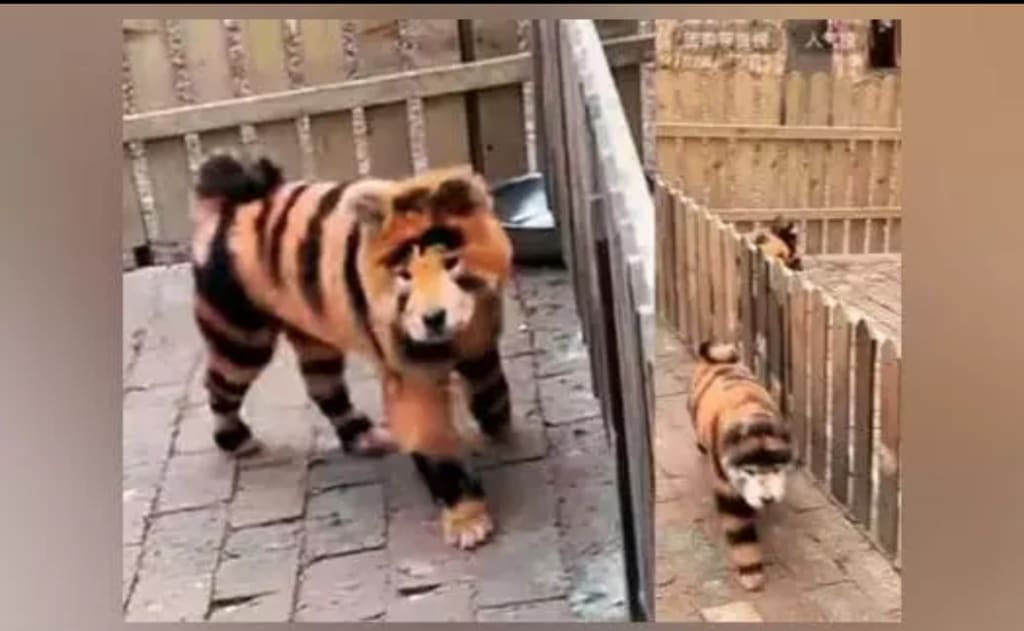
A zoo in Taizhou, China, has come under heavy criticism for reportedly painting chow chow dogs to resemble tigers as part of an attraction. The controversial move has sparked outrage among animal rights activists and social media users, with many accusing the zoo of deception and unethical treatment of animals.
This is not the first time the zoo has been involved in such practices. Last year, it was accused of painting dogs to resemble pandas, raising concerns about the treatment of animals in captivity. Despite the backlash, the zoo has defended its actions, calling it a "gimmick" and insisting that the dye used is non-toxic and safe for the animals.
Zoo's Justification: "It's a Tiger Dog, Not a Tiger"
In response to public criticism, Taizhou Zoo issued a statement claiming that the painted dog was not meant to deceive visitors into thinking it was a real tiger. Instead, they argued that it was simply a "tiger dog"—a creative attraction meant to entertain guests.
The zoo stated:
"We did not claim it was a real tiger. It’s just a chow chow dog dyed to look like a tiger for fun. The dye is safe and does not harm the dog in any way."
However, animal welfare organizations and online critics have questioned the ethics behind such gimmicks, arguing that animals should not be used as props for human amusement.
Public Outrage and Ethical Concerns
As images and videos of the painted "tiger dog" spread online, thousands of social media users expressed their anger and disappointment. Some of the major concerns raised include:
Animal Welfare Violations: Critics argue that dyeing an animal for entertainment can cause stress and discomfort, even if the dye itself is not harmful.
False Advertising: Many visitors to the zoo expect to see real tigers, not painted dogs, leading to accusations that the zoo is misleading its guests.
Exploitation of Animals: Animal rights activists have condemned the practice as a form of exploitation, stating that animals should not be used as mere attractions for profit.
A popular comment on Weibo (China’s Twitter-like platform) read:
"Instead of taking care of real animals, they are painting dogs to trick visitors. This is unethical and disgusting!"
Another user wrote:
"If they have to resort to painting dogs to entertain people, maybe they shouldn’t be running a zoo at all."
The Recurring Issue: Painting Animals for Entertainment
This is not the first time a zoo in China has been caught painting animals for entertainment. In previous years, several incidents have been reported, including:
2023: A zoo in China painted chow chow dogs to look like pandas, leading to similar backlash.
2019: A zoo in Egypt was accused of painting a donkey to resemble a zebra to deceive visitors.
2018: A zoo in China dyed Golden Retrievers black and white to pass them off as panda cubs.
These incidents raise concerns about the standards of animal welfare in certain zoos, especially when real animals are replaced with painted substitutes to attract more visitors.
What Experts Say About Dyeing Animals
While the zoo insists the dye used on the chow chow dog is harmless, animal experts warn that:
Dyes Can Cause Health Issues: Even if labeled "safe," certain dyes can cause allergic reactions, skin irritation, or respiratory problems in animals.
Unnecessary Stress for the Animal: Being restrained, painted, and displayed for human entertainment can be stressful and confusing for the animal.
Sets a Dangerous Precedent: Normalizing such gimmicks could encourage other zoos to prioritize marketing tactics over genuine animal care.
According to an animal welfare expert:
"Even if the paint is non-toxic, this is not an ethical way to treat animals. Zoos should focus on conservation and education, not deception."
Call for Stricter Animal Welfare Regulations
Following this controversy, many people are demanding stricter regulations for zoos in China to ensure ethical treatment of animals.
Some proposed actions include:
Regular inspections to ensure zoos maintain ethical treatment of animals.
Banning the use of dyes or artificial modifications on animals for entertainment.
Promoting conservation-focused exhibits instead of artificial gimmicks.
Animal rights organizations have also urged the public to boycott zoos that engage in deceptive or unethical practices, emphasizing that zoos should focus on protecting wildlife rather than exploiting animals for financial gain.
Final Thoughts: A Gimmick That Backfired
The Taizhou Zoo’s attempt to attract visitors with a painted "tiger dog" has backfired, drawing intense criticism instead. While the zoo claims no harm was done to the chow chow, the ethical implications of using animals for gimmicks and deception have sparked a much-needed debate.
This incident serves as a reminder that zoos should prioritize animal welfare and education rather than resorting to misleading tactics. With growing awareness about animal rights, such controversies highlight the urgent need for better regulations and accountability in the global zoo industry.
About the Creator
The $23,000-a-Day Question: Ephrata spends $8.5 million a year for police. What are we actually buying?
The Invoice Arrives Every year, Ephrata property owners receive a tax bill. A massive chunk of that bill goes to one place: The Police Department. We are told this is the price of safety. We are told that we have a "Gold Standard" department that warrants premium funding.
By Sunshine Firecracker3 days ago in Criminal
Man Escaped Death Row, But He Could Not Escape Death: The Story of Troy Leon Gregg
The story of Troy Leon Gregg is one of the most haunting and ironic episodes in the history of the American criminal justice system. It is a narrative that seems almost fictional in its cruel symmetry: a man sentenced to die by the state escapes death row mere hours before his scheduled execution only to lose his life later that same night in a violent confrontation. Gregg’s story continues to resonate not only because of its dramatic events, but also because of the deeper questions it raises about fate, justice, violence, and the limits of human escape.Troy Leon Gregg was a death row inmate in the state of Georgia, convicted of serious crimes that ultimately led to a capital sentence. After years of legal proceedings and appeals, his execution date was set. For the prison system it was meant to be the final chapter in a long process. For Gregg, however the night before his execution would take an unexpected and shocking turn.
By Kure Garbaabout 13 hours ago in Criminal
Wild Card Weekend Recap: What Happens Now?
I think I figured out why I love Wild Card Weekend so much. It's because it's the first playoff anything of the calendar year. The NFL season starts in the fall, and once upon a time, the champion was crowned either on or slightly before New Year's. The evolution of the NFL schedule has resulted in the playoffs starting just into the New Year, and currently, the final week of the season falls on the first weekend of the New Year, with Wild Card Weekend coming a week after that. So yes, chronologically, the NFL's Wild Card Weekend serves as the first playoff anything of the calendar year.
By Clyde E. Dawkins7 days ago in Unbalanced




Comments
There are no comments for this story
Be the first to respond and start the conversation.