
Why Trump Calmed the India-Pakistan Clash
Controversy pushes ordinary people into danger.
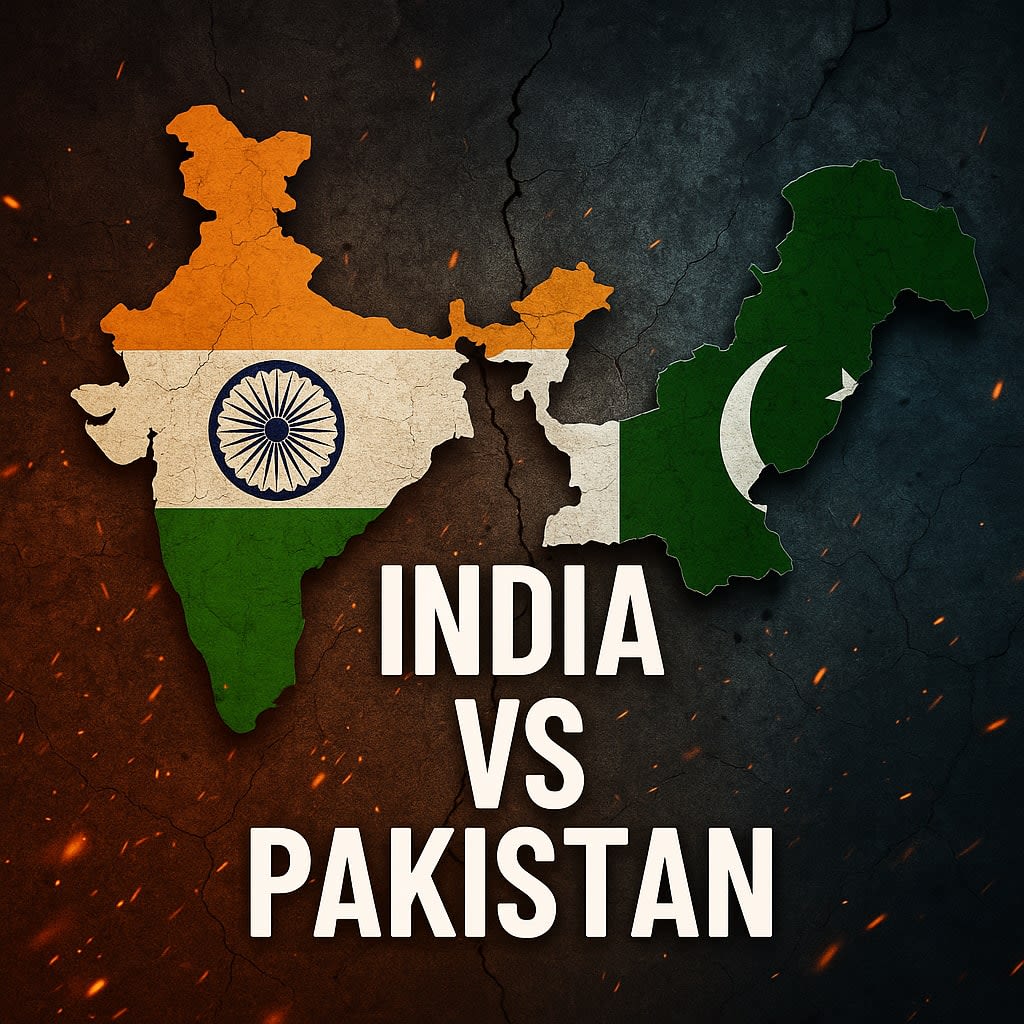
In the volatile geopolitical landscape of South Asia, the relationship between India and Pakistan has long been one of deep-seated mistrust, historic conflict, and occasional military confrontations. In February 2019, tensions between the two nuclear-armed neighbors reached a boiling point after a deadly suicide bombing in Pulwama, Kashmir, which killed over 40 Indian paramilitary personnel. India blamed Pakistan-based militant group Jaish-e-Mohammed for the attack, leading to retaliatory airstrikes by the Indian Air Force inside Pakistani territory—a first since the 1971 war.
In response, Pakistan launched airstrikes of its own and shot down an Indian fighter jet, capturing the pilot. The specter of full-scale war loomed large. In this precarious moment, U.S. President Donald Trump unexpectedly emerged as a key mediator. Although not widely reported at the time, Trump's intervention worked behind the scenes to de-escalate a conflict that could have been catastrophic. Strategic Interests in South Asia
Donald Trump’s involvement was driven not by altruism, but by calculated geopolitical reasoning. During the Cold War, the United States had been a long-term ally of Pakistan. However, in recent decades, it had been strengthening ties with India as part of a larger strategy to counter China's growing influence in Asia. Under Trump, U.S.-India relations strengthened further, particularly in the areas of defense and trade.
However, Pakistan still held strategic relevance for the U.S. in relation to its objectives in Afghanistan. Trump was in the midst of negotiating a U.S. withdrawal from Afghanistan and needed Pakistan’s cooperation in dealing with the Taliban. Any major conflict between India and Pakistan would have destabilized the region, jeopardized peace talks, and risked drawing in other powers such as China.
A Nuclear Powder Keg
Trump and his administration recognized the unique danger of escalation between India and Pakistan—not just a conventional war, but a potential nuclear confrontation. Both countries have substantial nuclear arsenals, and their long-standing hostility adds an element of unpredictability to any military conflict. A war between them could spiral rapidly, triggering global security and economic repercussions.
According to U.S. officials, Trump was briefed extensively by the Pentagon and intelligence agencies on the risks. The urgency of the situation demanded a diplomatic balancing act: assert enough pressure on both sides to stand down, while avoiding the appearance of favoritism that could backfire diplomatically.
The Trump Doctrine: Personal Diplomacy
Donald Trump often touted his personal diplomacy style—direct calls, public statements, and a preference for leader-to-leader communication. During the India-Pakistan crisis, Trump reportedly made several behind-the-scenes moves, including phone calls with Indian Prime Minister Narendra Modi and Pakistani Prime Minister Imran Khan. His administration, particularly Secretary of State Mike Pompeo and National Security Advisor John Bolton, engaged in intensive shuttle diplomacy.
Pompeo notably spoke to both Indian and Pakistani counterparts within hours of the Indian airstrikes, urging restraint. Publicly, Trump downplayed the situation, suggesting that the United States was "talking" to both countries and that "reasonably attractive news" might soon come. This vague optimism helped calm market fears and provided political cover for both nations to de-escalate without appearing weak domestically.
A Tactical Success
Within days of the crisis peaking, Pakistan released the captured Indian pilot in a "peace gesture," a move that signaled a step back from the brink. India accepted the gesture without further retaliation. While other international actors such as China and the United Nations also played roles in calming the tensions, many analysts credit the U.S.—under Trump’s leadership—with applying the right combination of pressure and incentives to avoid war.
The incident showed Trump’s pragmatic approach to foreign crises. Although criticized for impulsivity and unpredictability, Trump’s willingness to act quickly and leverage personal relationships sometimes proved effective, especially in situations demanding immediate crisis management rather than long-term policy planning.
Conclusion
The 2019 India-Pakistan crisis could have easily escalated into a full-scale war with global consequences. President Trump’s intervention—strategic, timely, and relatively discreet—played a crucial role in defusing tensions. His administration’s ability to leverage its influence with both countries, coupled with backchannel diplomacy and a nuclear-aware caution, helped avert a disaster.
While Trump’s foreign policy legacy remains controversial and often polarizing, the role he played in calming one of the most dangerous flashpoints in South Asia stands out as an example of effective crisis diplomacy, rooted in a blend of strategic interest and personal engagement.
About the Creator
Md.Rokib hoissin Rony
I like to poeticize what's happening in the world or what's around me.
Keep reading
More stories from Md.Rokib hoissin Rony and writers in Criminal and other communities.
A collection of kindness
In a small, picturesque village nestled among rolling green hills and flowering meadows, lived a humble and kind-hearted family named the Andersons. Though their lives were far from easy and they faced frequent financial hardship, their hearts overflowed with generosity, compassion, and love for their neighbors. John and Mary Anderson lived with their two children, Emily and Daniel, in a modest, but cozy, thatched-roofed cottage with a vegetable garden in the back. John, a hardworking and resourceful man, worked tirelessly as a handyman, offering his skills to repair broken fences, leaky roofs, and creaky floorboards. Mary, gentle yet resilient, took on odd jobs around the village—cleaning, sewing, baking, and anything else that could bring in a little money to help make ends meet. Despite their limited means, the Andersons were widely respected for their unwavering integrity and their genuine desire to help others in need.
By Md.Rokib hoissin Rony9 months ago in Families
The ICE Shooting in Minneapolis A Closer Look at Federal Enforcement and Rising Tensions
The ICE Shooting in Minneapolis A Closer Look at Federal Enforcement and Rising Tensions In early 2026, Minneapolis found itself at the center of national attention following a shooting involving agents from U.S. Immigration and Customs Enforcement, widely known as ICE. The incident quickly moved beyond a single law enforcement encounter and became a symbol of broader debates surrounding immigration policy, federal authority, and the use of force in American cities. As details emerged, the shooting sparked intense public discussion, protests, and renewed scrutiny of federal operations carried out within local communities.
By America today 3 days ago in Criminal
Gregory A Allen Fort Holabird and Military Intelligence
Gregory Allens Fort Holabird connection FBI/ Military Intelligence link The history of Steven Avery’s wrongful conviction, the eventual identification of Gregory Allen as the true perpetrator, and the legal, institutional, and forensic anomalies surrounding these cases provide a complex tapestry of actors, procedural irregularities, and possible federal protective interventions. Overlaying Avery’s civil lawsuit, Allen’s prison and military history, and several high-profile incidents—including the disappearance of Teresa Halbach—reveals patterns that warrant deeper investigation into selective enforcement, protective oversight, and administrative discretion.
By SunshineChristina7 days ago in Criminal



Comments
There are no comments for this story
Be the first to respond and start the conversation.