
Gregory A Allen Fort Holabird and Military Intelligence
Making a Murderer vs Revealing The Truth

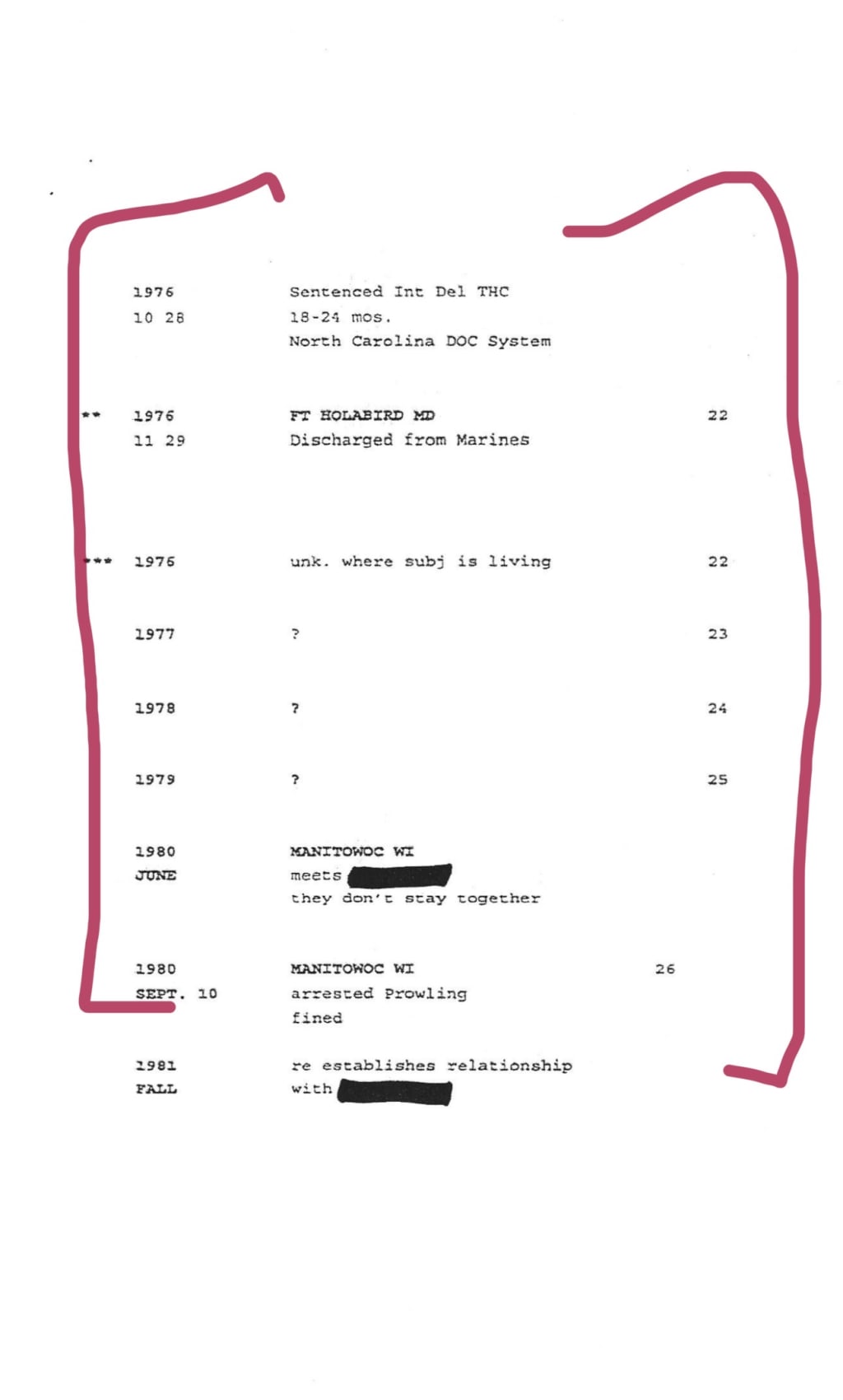
Gregory Allens Fort Holabird connection FBI/ Military Intelligence link
The history of Steven Avery’s wrongful conviction, the eventual identification of Gregory Allen as the true perpetrator, and the legal, institutional, and forensic anomalies surrounding these cases provide a complex tapestry of actors, procedural irregularities, and possible federal protective interventions. Overlaying Avery’s civil lawsuit, Allen’s prison and military history, and several high-profile incidents—including the disappearance of Teresa Halbach—reveals patterns that warrant deeper investigation into selective enforcement, protective oversight, and administrative discretion.
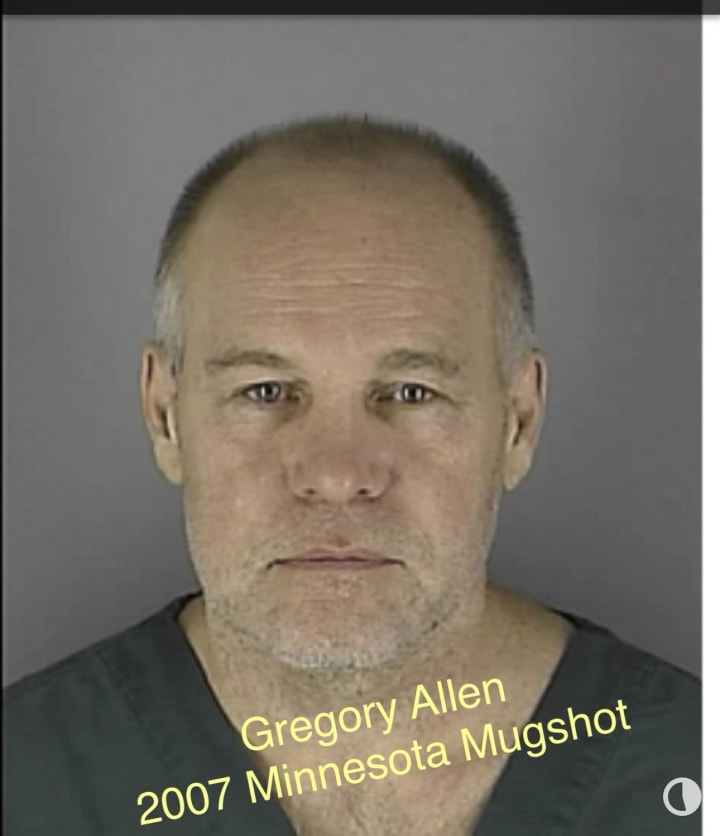
1. Principal Actors
1. Steven Avery: Wrongfully convicted in 1985 for sexual assault in Manitowoc County, Avery spent 18 years incarcerated before DNA testing exonerated him. His civil suit filed on October 12, 2004, sought redress against Manitowoc County law enforcement for malicious prosecution, wrongful conviction, and systemic misconduct.
2. Gregory Allen: Initially investigated in the 1980s, Allen was only conclusively identified through DNA evidence after multiple submissions of serological and fingerprint standards. His history exhibits unusual mobility between correctional institutions, missing periods in both prison and military service, and potential federal oversight, notably through Fort Holabird in Baltimore, Maryland.
3. Josh Kaul: Current Wisconsin Attorney General, Kaul has familial and historical ties to the prosecution of Avery-related matters. Documentation indicates Baltimore connections, which may overlap with historical operations at Fort Holabird, suggesting potential insight or access to federal-level intelligence or administrative structures relevant to Allen’s protected status.

4. Donna Emmel Case: Donna Emmel, a victim associated with Allen, illustrates procedural lapses in notification and law enforcement follow-up. Emmel’s case underscores a pattern where Allen’s criminal activity was identified but not promptly communicated to victims or acted upon, consistent with broader anomalies in Allen’s oversight.
5. Hopkins Case (1999): Allen’s connection to this sexual assault case demonstrates a significant procedural irregularity: the victim was never informed of Allen’s involvement at the time. It was only in late 2004—coinciding with Avery’s civil suit filing—that the case was reopened. The timing suggests administrative decisions may have been influenced by external factors, including efforts to control narratives surrounding Avery’s lawsuit.
6. Teresa Halbach Disappearance (2005): While Halbach’s disappearance is commonly understood as the basis for Avery’s 2005 murder conviction, its timing, framed within the broader timeline of Avery’s civil suit and Allen’s unresolved criminal activity, raises questions. The incident functioned as a distraction from unresolved cases involving Allen and may have served to suppress Avery’s civil suit and redirect investigative resources.
Date
Event
Significance / Anomaly
1985
Avery’s wrongful conviction
Initiated long-term injustice; Allen suspected but not prosecuted.
1995–1996
Green Bay Police submit Allen’s fingerprints, serology to State Crime Lab
Multiple submissions; delayed identification despite available evidence.
1999
Hopkins Case
Allen linked as perpetrator; victim not informed; case dormant.
2003–2004
Avery prepares civil suit; DOJ under Peg Lautenschlager
Administrative continuity; potential conflicts of interest.
Late 2004
Hopkins case reopened
Coincides with Avery’s civil suit filing; suggests external triggers for re-investigation.
Oct 12, 2004
Avery civil lawsuit filed
Initiates depositions; DOJ oversight critical; coincides with reopened Hopkins case.
2005
Teresa Halbach disappearance
Timing suspicious; draws attention away from Allen-related cases and Avery civil litigation.
2007
Avery/Dassey criminal trial for Halbach murder
Dassey convicted in August 2007
Allen transferred to Hennepin county Minnesota to stand trial for cold case in December 2007
This timeline demonstrates a convergence of anomalies: Allen’s unresolved cases, procedural delays, civil litigation, and high-profile criminal events appear to align with broader administrative discretion and selective prioritization.
3. Green Bay Forensics and Untested Sexual Assault Kits
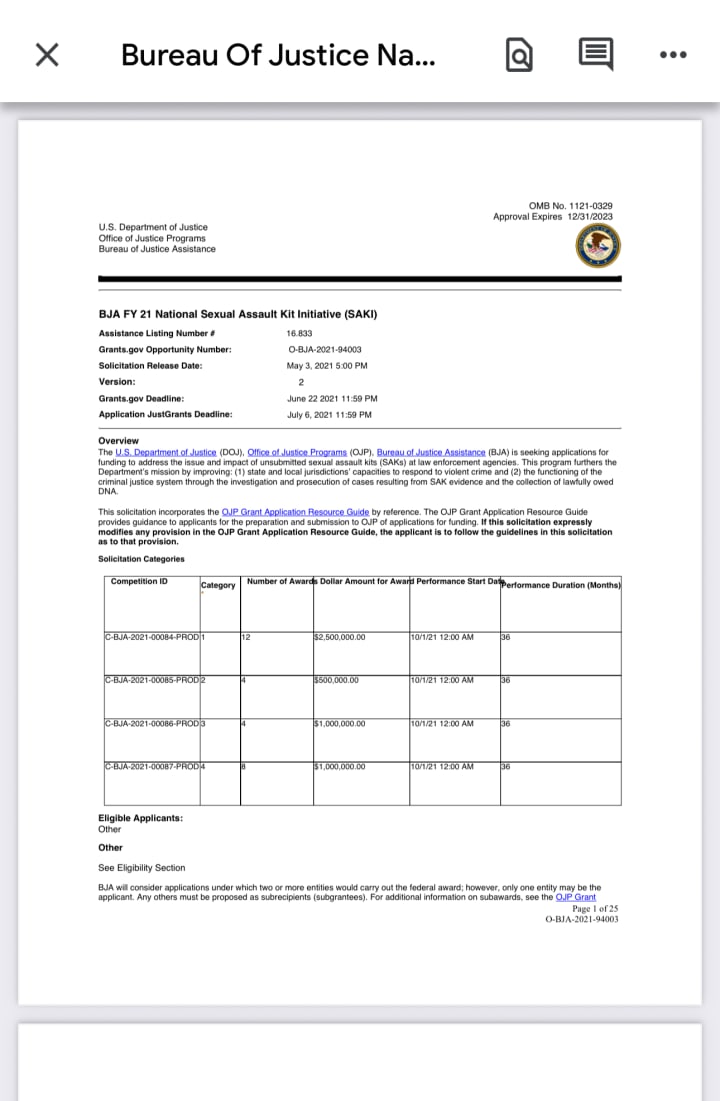
Investigations into Allen’s criminal activity reveal systemic delays and anomalies in evidence processing:
• Multiple submissions of DNA and fingerprints between 1995–1996; delays in results and cross-referencing created years-long gaps in case resolution.
• Backlogs of sexual assault kits in Wisconsin—numbering in the thousands—reflect administrative bottlenecks, yet costs and accreditation requirements indicate that testing was feasible.
• Selective prioritization meant high-profile cases (like Avery’s wrongful conviction) eventually received attention, while routine or related cases (Hopkins, Donna Emmel) languished.
Funding justifications for delayed DNA testing, while nominally credible, coincide with the protective shielding of Allen from prompt legal accountability.
4. Prison and Military Anomalies
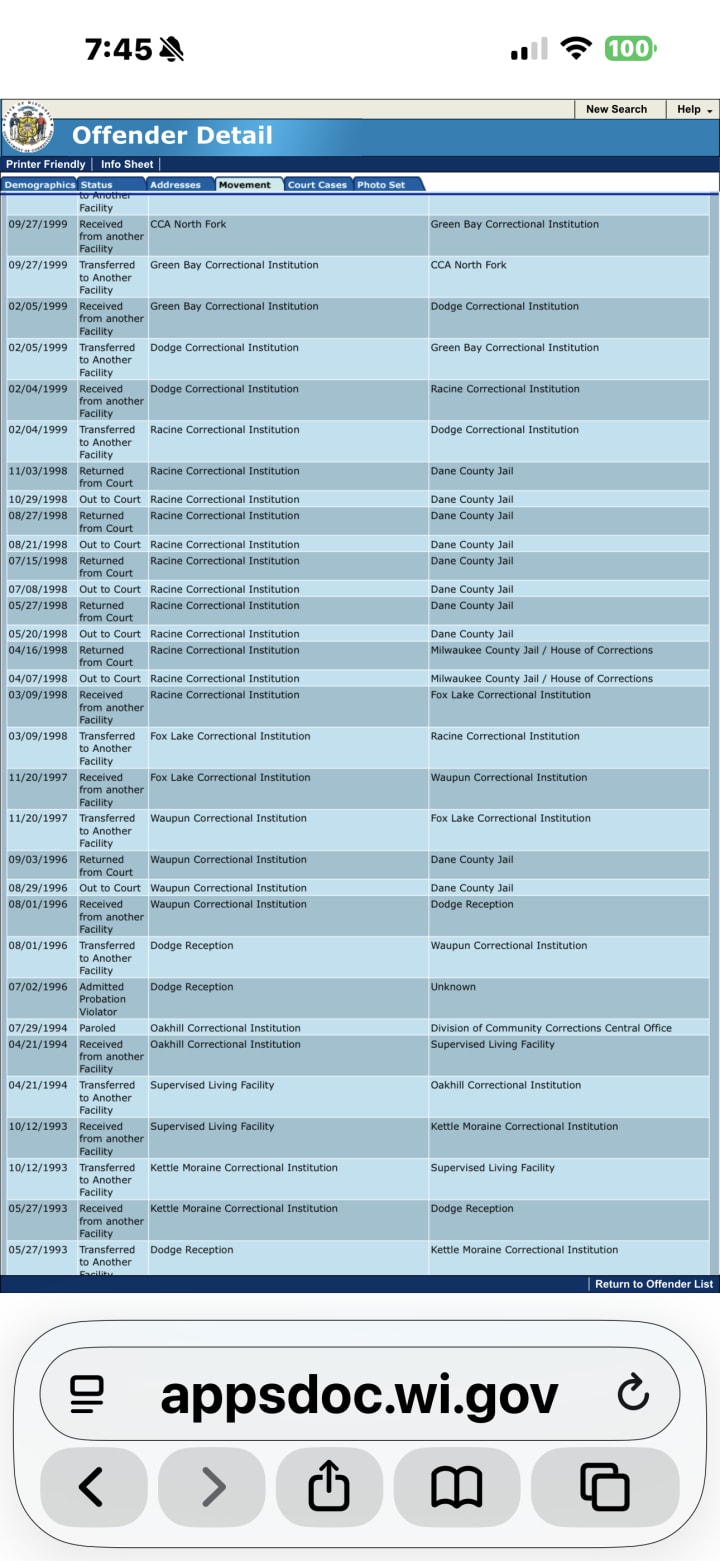
Allen’s incarceration and military history exhibits unusual patterns:
• Frequent short-term transfers between Wisconsin correctional institutions (Oshkosh, New Lisbon, Stanley, Dodge) without clear security or programmatic justification.
• Returned and released cycles to supervised living facilities, suggesting administrative discretion exceeding standard inmate management.
• Cross-state transfers, including periods under Minnesota DOC, overlap with gaps in public documentation.
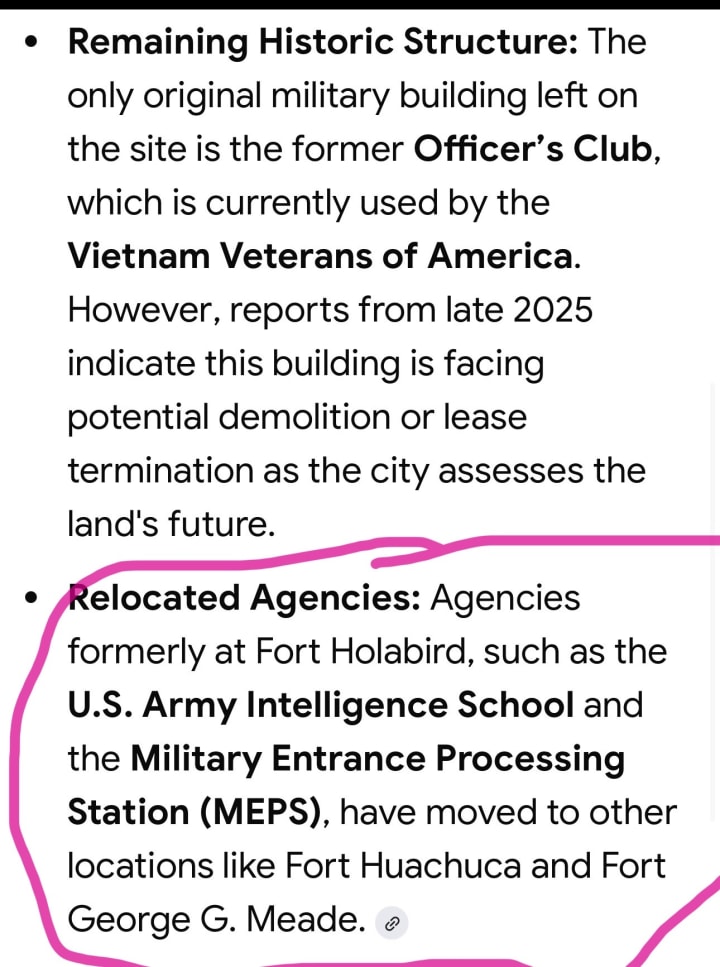
• Military service in Baltimore, potentially linked to Fort Holabird intelligence or counterintelligence operations, aligns with periods of missing records and unusual administrative latitude.
Holabird historically hosted covert intelligence and protective programs, providing context for Allen’s atypical procedural flexibility and delayed identification as the 1985 sexual assault perpetrator.
5. Administrative Oversight and DOJ Connections

Several factors highlight potential conflicts or discretionary influence:
• Peg Lautenschlager (2003–2007) and Josh Kaul (2019–present), both overseeing DOJ responsibilities, had overlapping career trajectories with access to Avery and Allen case files. Kaul’s documented Baltimore connections may overlap with Holabird operational networks, suggesting potential continuity in oversight or knowledge of federal protective protocols.
• Civil depositions and evidence management in Avery’s 2004 lawsuit reveal delayed disclosure, selective evidence release, and administrative discretion that aligns with anomalies in Allen’s case handling.
6. Red Flags and Patterns Suggesting Protective Oversight
1. Delayed DNA identification and fingerprint processing for Allen, despite repeated submissions.
2. Non-notification of victims (e.g., Hopkins Case, Donna Emmel) despite known involvement.
3. Frequent short-term institutional transfers and supervised living placements, including interstate movements.
4. Gaps in military and prison records, coinciding with forensic delays.
5. Historical intelligence and counterintelligence context via Fort Holabird in Baltimore.
6. Timing coincidences: reopening of the Hopkins case, Avery civil suit, and eventual high-profile distractions such as Halbach’s disappearance.
These factors collectively suggest Allen may have received government-protective treatment, whether intentional, operational, or through oversight structures historically tied to intelligence operations.
7. Teresa Halbach Case: Timing and Distraction Analysis
The disappearance of Teresa Halbach in 2005, framed within this broader chronology, merits analytical attention:
• Occurring less than a year after Avery’s 2004 civil suit, the incident shifted investigative focus from Allen’s unresolved sexual assault cases and procedural anomalies.
• Media attention and law enforcement resources were diverted to a high-profile murder investigation, effectively stalling Avery’s civil case.
• The timing aligns with patterns of selective prioritization observed throughout Allen’s criminal history, suggesting that Halbach’s disappearance functioned as both a distraction and a procedural interruption.
While Halbach’s case is treated as independent in criminal and civil discourse, its placement in the timeline raises legitimate questions regarding coincidence versus strategic diversion.
8. Synthesis and Implications
By integrating forensic delays, prison and military anomalies, Holabird connections, DOJ oversight, and timeline coincidences, a coherent pattern emerges:
• Allen’s identification and prosecution were delayed, coinciding with periods of administrative discretion and selective forensic prioritization.
• Victims were not promptly notified, and procedural transparency was compromised, as evidenced by the Hopkins and Donna Emmel cases.
• High-profile events (Halbach disappearance, Avery murder trial) may have been leveraged to control narrative, suppress civil litigation, and maintain protective oversight of Allen.
• Federal and intelligence-linked institutions, notably Holabird, provide historical context for protected movement and administrative shielding.
This synthesis supports a credible theory: Gregory Allen may have operated under a level of government protection, whether through intelligence affiliation, administrative discretion, or other covert mechanisms, allowing prolonged impunity for serious criminal acts while manipulating procedural outcomes.
9. Conclusion
The intersection of Steven Avery’s wrongful conviction, Gregory Allen’s delayed identification, DOJ oversight, and high-profile events like Teresa Halbach’s disappearance illuminates a complex web of anomalies, selective enforcement, and potential federal protective interventions.
The evidence—spanning forensic backlogs, missing victim notification, procedural discretion, interstate prison movements, and intelligence-linked history—supports further scrutiny into how Allen’s activity was managed and shielded. The timing of civil suits, case reopenings, and high-profile incidents collectively points to systemic influences that prioritize administrative control and operational discretion over immediate justice and transparency.
In this light, Allen’s history serves as a case study of how procedural anomalies, federal oversight, and administrative discretion intersect to shape legal and investigative outcomes, offering critical insight for criminal justice reform, victim rights advocacy, and forensic accountability initiatives.
1985 |----------------------> Steven Avery sexual assault conviction (Allen is actual perpetrator)
1990s |---------------------> Allen military/prison activity; Holabird connections
1999 |----------------------> Hopkins sexual assault linked to Allen (victim uninformed)
2004
10/12 |-----------------> Avery civil lawsuit filed
Late 2004 |----------------> Hopkins case reopened (victim now informed)
Late 2004 |----------------> Donna Emmel case highlighted
2005
10/31 |-----------------> Teresa Halbach disappearance (high-profile distraction)
2005–2021 |----------------> Allen prison movements:
- Oshkosh CI <-> New Lisbon CI
- Stanley CI <-> Supervised Living Facility
- Frequent rapid transfers; periods of “missing time”
2007–2010s |---------------> Thousands of untested sexual assault kits; funding gaps
1990s–2000s |---------------> Holabird / Baltimore connections; Josh Kaul federal case work
Just who is the man we have been told is named Gregory Allen? He is the key to understanding and unraveling the entire mess.
About the Creator
SunshineChristina
I am a social and criminal justice reform advocate and researcher. I love true crime and also fighting to help bring and spread awareness to the myriad of troubling issues that are effecting American society.
Keep reading
More stories from SunshineChristina and writers in Criminal and other communities.
Living in the Blast Zone: The "House of Skulls" and the Collapse of Ephrata’s Luxury Dream
The Morning the Property Value Died On January 6, 2026, the residents of Washington Avenue didn't just wake up to a crime scene; they woke up in a financial blast zone. While the media trucks have packed up and the hazmat suits are gone, the neighbors are left with a permanent scar. In real estate law, this is called "Stigmatized Property."
By Sunshine Firecracker5 days ago in Criminal
Inside The Br@ tal Methods Of N@ zi Secret Police GESTAPO
They worked deep undercover with a name feared as words moved across Nazi occupied Europe. Gestapo: short form of Geheime Staatspolizel, or Secret State Police: the steel fist of Hitler and his machine of terror, entrusted with the job of tracking down foes of the Reich. However their actions behind the scenes were more terrible than many would ever imagine. In contrast to ordinary police, Gestapo never faced any supervision, did not present any warrant, and acted freely. Their methods was cruel: they could arrest a person because somebody whispered something, because a neighbour pointed an accusing finger, even because he shared a joke. Upon arrest individuals just vanished off the face of the earth with some never being heard of once again... (more)
By Live World Stories2 days ago in Criminal


Comments
There are no comments for this story
Be the first to respond and start the conversation.