
What We Know About the Hong Kong Apartment Fires
A Closer Look at the Tragic Blaze, Its Causes, the Victims, and the Ongoing Investigation

Understanding a Tragic Night and the Questions It Leaves Behind
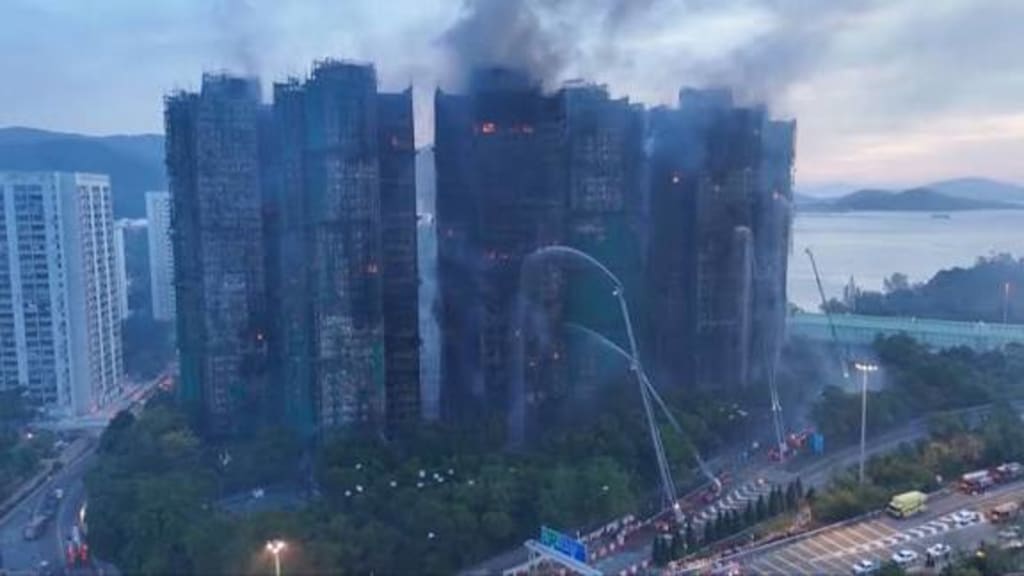
When news of the Hong Kong apartment fires first broke, the images were shocking—thick smoke pouring from high-rise windows, firefighters climbing narrow stairwells, and residents desperately signaling for help from balconies. Hong Kong is known for its dense skyline and busy urban lifestyle, but this tragic incident exposed how quickly life can change inside these towering buildings. As investigators continue to look into the cause, here is what we know so far about the fire and what it means for one of the world’s most crowded cities.
A Fire That Spread Too Fast
The fire began late at night in one of the residential towers located in a heavily populated district. High-rise fires are not new for Hong Kong, but the speed at which this one spread raised immediate concerns. Witnesses said they heard alarms, but many also mentioned they believed the fire grew too quickly for anyone on certain floors to escape easily.
Firefighters arrived promptly, but their biggest challenge was reaching the upper floors where most residents were trapped. Narrow hallways, smoke-filled staircases, and the age of the building made rescue operations extremely difficult. Some residents were evacuated through rooftop access, while others had to wait near windows until help arrived.
Possible Cause: Still Under Investigation
Hong Kong authorities have not released a final statement about the cause, but early reports point toward two possibilities:
1. Electrical malfunction, which is one of the most common causes of fires in older Hong Kong apartments.
2. A possible gas or appliance failure, something investigators are examining closely.
Because many of Hong Kong’s older apartment blocks were built decades ago, issues like outdated wiring, overcrowded units, and lack of regular maintenance have become recurring concerns.
The Building’s Age and Safety Concerns
One key question that has emerged is whether the building met current fire-safety standards. Many residents said that smoke alarms were slow to activate or could not be heard throughout the building. Some also claimed that stairwell lights were dim, making evacuation even harder.
Hong Kong’s fire safety regulations have improved over the years, but older buildings often struggle to keep up. Renovations can be expensive, especially for lower-income areas. As a result, thousands of people live in apartments that may not fully meet modern safety levels.
The Human Side of the Tragedy
Beyond the statistics and technical assessments, the most painful part of this incident is the loss of life and the families affected. Residents described heartbreaking scenes—neighbors knocking on doors trying to warn each other, parents carrying children through black smoke, and firefighters risking their own safety to guide people out.
In the days following the fire, community members gathered to donate food, clothing, and support to those who lost their homes. Hong Kong is a fast-paced city, but tragedies like this show how quickly people come together to help.
What Authorities Are Doing Now
Officials have launched a full investigation and promised a transparent review of the building’s structure, its fire-safety systems, and the emergency response. They are also considering new policies that may require older buildings to upgrade wiring, install advanced alarms, and improve escape routes.
Additionally, the fire department is planning public awareness campaigns to teach residents how to evacuate safely and recognize early danger signs. In a city where millions live in high-rise towers, even small improvements can save many lives.
Why This Incident Matters for Hong Kong’s Future
The Hong Kong apartment fires are more than a single tragic event—they are a warning about the realities of living in one of the world’s densest cities. Housing pressure, limited space, and aging buildings create long-term risks. Without major updates to infrastructure, similar incidents may happen again.
This tragedy forces both the government and residents to rethink basic questions:
Are buildings being inspected regularly?
Do low-income areas receive equal safety upgrades?
Is emergency training enough for such crowded environments?
The answers will shape the future of urban safety in Hong Kong.
A Call for Change
While the investigation continues, one thing is clear: this fire exposed weaknesses that must be addressed. Better alarms, safer electrical systems, and faster evacuation routes are no longer optional—they are essential. Every resident living in a high-rise deserves the confidence that their home won’t turn into a trap during emergencies.
Hong Kong’s skyline may be impressive, but safety inside these buildings must be the priority. The apartment fires serve as a powerful reminder that progress must include protection for the people who call these towers home.
---
About the Creator
Fiaz Ahmed Brohi
I am a passionate writer with a love for exploring and creating content on trending topics. Always curious, always sharing stories that engage and inspire.
Keep reading
More stories from Fiaz Ahmed Brohi and writers in Criminal and other communities.
“10 Kilo Khoon Kam Ho Gaya”: Sachin Tendulkar Pays Heartfelt Tribute to Dharmendra
When a legendary star passes away, the grief rarely stays limited to the world of cinema. It spills into sports, politics, and ordinary households across the country. That is exactly what happened when Bollywood’s beloved Dharmendra, fondly known as the He-Man of India, breathed his last.
By Fiaz Ahmed Brohi4 months ago in Geeks
The Cemetery of the Living”: The Harsh Reality Inside El Salvador’s Infamous Prison
For many migrants deported from the United States during the administration of **Donald Trump**, the journey did not end when their plane touched down in their home countries. For some, particularly those sent back to **El Salvador**, the ordeal had only just begun. Many deportees—suspected of gang connections or criminal activity—found themselves locked inside some of the most notorious prisons in Central America, facilities critics have described as nothing less than a “cemetery of the living.”
By Irshad Abbasi 7 days ago in Criminal
Former DOJ Officials Break Silence on Kiernan Major Case
Through a swarm of vehicle and body doubles, elaborate disguises, sophisticated misdirection, and all-around flawless tradecraft, two senior U.S. Justice Department officials out of the Washington D.C. office met with our investigative team in a Los Angeles area home to blow the whistle on what they called "one of the most dishonest and disgraceful" cases they had ever reviewed. Our four-hour interview still feels as though it was much stranger than fiction—surrounded ostensibly by hundreds of security personnel who blocked all traffic to and from the property and implemented a stunning variety of physical and technical expertise to draw attention of potential emergency personnel and bystanders elsewhere, our team was in total awe of the immense and rather imposing capabilities of this security team. We often were unable to even focus on the interviews as we struggled to grasp whether this was reality or possibly figment of our imagination. In spite of our childish fascination, our team was able to gather a fresh and highly credible perspective that raises grave concerns about the 2022 federal indictment of Kiernan Major and many of those allegedly involved in it.
By Charlie A. Millera day ago in Criminal



Comments
There are no comments for this story
Be the first to respond and start the conversation.