
What Triggers A Serial Killer?
The Events That Spark Their Killing Spree.
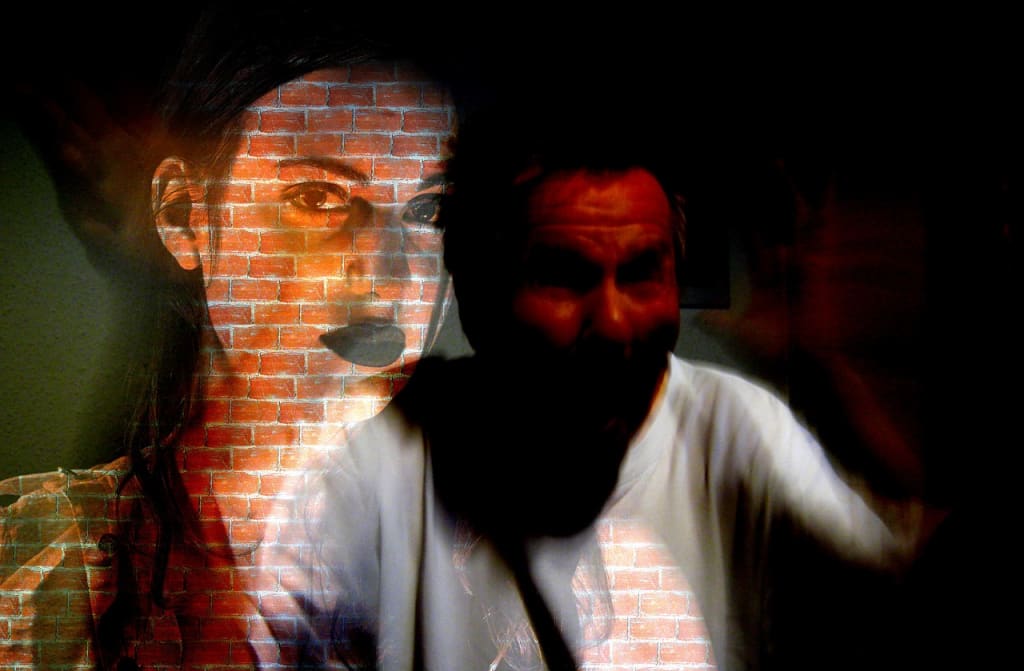
Serial killers have long fascinated and frightened society. From their twisted psychology to the gruesome nature of their crimes, the question remains: what triggers a serial killer? While each case is unique, patterns exist in their backgrounds, life histories, and psychological makeup that explain what drives their killing sprees.
The Psychology of a Serial Killer
Before discussing the events that precipitated the murder, it is essential to understand the psychological profile of a serial killer. Most serial killers are psychopathic or sociopathic in their behavior, lack empathy, and crave control. The FBI categorizes them as organized and disorganized offenders with some level of intelligence, planning, and modus operandi.
Key Psychological Features
Antisocial Personality Disorder – The majority of serial killers possess antisocial personality disorder characteristics like manipulation, deception, and a lack of regard for social norms.
Lack of Empathy – They are unable to empathize with others, and therefore they do not feel guilty about committing such horrific crimes.
Early Signs of Psychopathy – Cruelty to animals, arson, and bed-wetting (the Macdonald Triad) are some of the early signs noticed during childhood.
Control and Dominance – Several serial killers derive joy from controlling their victims, which they find pleasure in because of the sufferings and fear they inflict.
Childhood Trauma: The Origin of Most Serial Killers' Motivations
One of the most common denominators among serial killers is a disturbed childhood. The majority of most notorious killers, including Ted Bundy, Jeffrey Dahmer, and John Wayne Gacy, experienced extreme abuse, neglect, or traumatic events during their childhood. These situations may result in a distorted reality perception and the development of violent tendencies in adulthood.
Common Childhood Experiences
Physical and Emotional Abuse – Violence is learned, and growing up in a violent home can make violence acceptable.
Parental Neglect – Inadequate affection, attention, or proper care creates long-term resentment and anger.
Sexual Abuse – The majority of serial killers have been sexually abused, creating a distorted understanding of intimacy and control.
Bullying and Social Isolation – Exclusion and isolation can inflame intense hatred of society, expressing itself in violent outbursts.
The Triggering Events: The Final Push
While a childhood trauma lays the foundations for violence, a precipitating event normally provides the trigger that impels the individual to serial murder. The triggers vary but are typically located in the sphere of extreme emotional suffering or personal crises.
1. A Major Life Crisis
The majority of serial killers initiate their sprees following a personal failure of significant scale, such as:
Job Loss – Inadequacy and helplessness can make an individual seize control by murdering.
Breakups or Rejections – Rejection can create psychological trauma, triggering anger or revenge.
Death of a Loved One – Losing a parental figure, spouse, or close friend can create emotional instability.
2. Exposure to Violent Fantasies
The majority of serial killers have fantasized about violence for a considerable period, but something might provoke them to put them into action. This may include:
Watching Violent Media – Even though not a reason, watching violent pornography, horror films, or true crime stories may fuel current dark fantasies.
Development from Animal Cruelty – The majority of serial killers begin by testing violence on animals before proceeding to human victims.
First-Time Killing Thrill – Certain murderers are triggered by their initial kill, creating an adrenaline rush and a desire to repeat the act.
3. Sexual Deviance and Frustration
There are many serial killers who have ingrained sexual dysfunctions that help cause them to offend. Such dysfunctions may include:
Sexual Repression – In environments where sexual expression is shunned or punished, aberrant outlets may be created.
Fetishization of Violence – Some serial killers equate violence with pleasure, which leads to sadistic and merciless crimes.
Inability to Form Healthy Relationships – Social isolation can push an individual towards predatory behavior.
4. A Feeling of Invincibility
Once a killer has managed to commit their first murder, they will usually feel elated and powerful. This encourages them to continue, believing that they are superior to the law. Serial killers such as Ted Bundy and the Zodiac Killer taunted police, self-deceiving in their own superiority.
The Role of Society and Culture
Though psychological and individual influences play a large role, society and culture may also be contributors to serial killings.
Media Sensationalism – Serial killers' employment in movies, books, and television documentaries to sensationalize their crimes can play games with impressionable minds.
Neglect in the Justice System – Warnings signs, i.e., calls of domestic violence or mental illness, too frequently fall on deaf ears.
Poor Mental Health Care – Many individuals can have early warning signs but never receive the psychological attention they deserve.
Can Serial Killers be Prevented from Becoming Active?
Understanding the causes of serial killers is crucial for prevention. The following are some ways of identifying and intervening before an individual begins a killing spree:
1. Early Psychological Intervention
Providing therapy and mental health treatment to potential offenders, especially those with a history of trauma, can decrease violent behavior.
2. Warning Signs
Schools, workplaces, and communities must be vigilant in identifying warning signs such as excessive withdrawal, violent outbursts, or animal cruelty.
3. Enhancing Law Enforcement and Social Services
Police and social workers must take reports of domestic violence, sexual abuse, and mounting criminal activity seriously so that future perpetrators will not escalate to murder.
Serial killers are not made; they are shaped by an amalgamation of psychological tendencies, environmental influences, and life-changing incidents. Though their acts seem incomprehensible, being aware of their trigger factors can help law enforcers, psychologists, and society intervene before the start of killing. Through early intervention, mental health support, and societal awareness, we can try to prevent the emergence of serial murderers and protect potential victims from unimaginable horrors.
About the Creator
Keep reading
More stories from Anthony Maghanga and writers in Criminal and other communities.
The Childhood Redflags Of Serial KIllers.
Serial killers have long been as much a fascination as a horror for the population as a whole, with the population searching for early indications of violent tendencies. Not all children who exhibit early indications of problematic behavior end up being killers, but research shows the world's most prolific serial killers all demonstrated early indications of the same. Knowledge of these early indications can be the break when keeping them from being able to perform violent crimes. Here's the ten creepy indications in the early lives of the world's most prolific serial killers.
By Anthony Maghangaabout a year ago in Criminal
Push To Prevent Catapults Being Bought By Children
MP’s have been warned to put new legislation in place that will help to close a loophole in the law which allows people including children to legally buy weapons which is capable of killing wildlife. The alert was issued during a briefing in parliament which set out growing evidence that catapults were being misused against animals and to damage other people’s private property. The Naturewatch Foundation who hosted the session expanded on their message that at the moment there is a completely unregulated system where people of any age can buy weapons and there are no meaningful controls on sale or power.
By Ashish Prabhu2 days ago in Criminal



Comments
There are no comments for this story
Be the first to respond and start the conversation.