
what is corruption and who to stop it ?
most important points to stop corruption

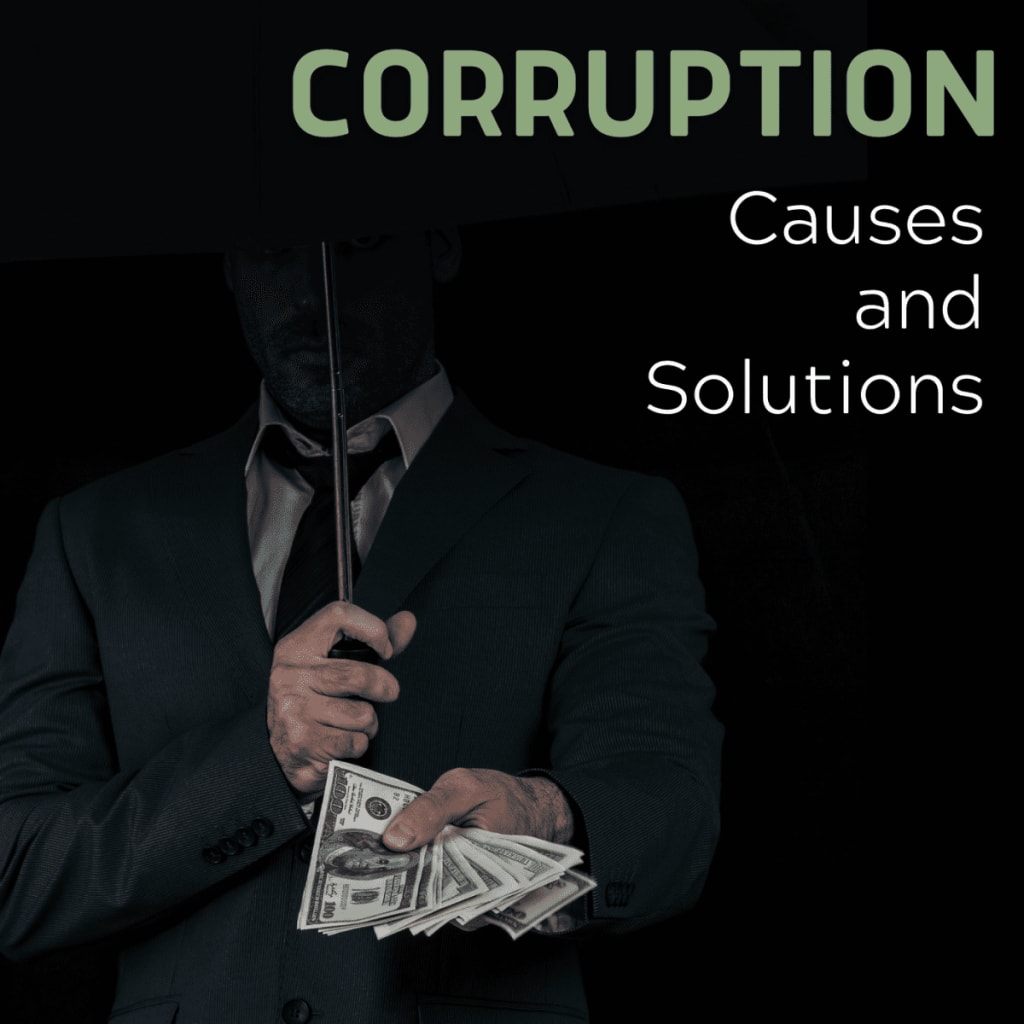
Corruption is a global problem that affects every sector of society, from politics to business to the everyday lives of ordinary people. It is the abuse of power for personal gain, and it comes in many different forms, including bribery, embezzlement, nepotism, and extortion.
Corruption is not a new problem, and it is not limited to any one country or region. It has been present throughout human history, and it continues to be a major challenge for governments, organizations, and individuals around the world. But while corruption may be difficult to eradicate entirely, there are steps that can be taken to minimize its impact and reduce its prevalence.
Understanding Corruption
One of the first steps in combating corruption is to understand what it is and how it works. Corruption can be defined as the misuse of power for personal gain. This can take many different forms, including:
- Bribery - offering or accepting money or other favors in exchange for a specific action or decision.
- Embezzlement - stealing money or other assets that belong to an organization or government.
- Nepotism - favoritism shown to family members or friends, often in hiring or promotion decisions.
- Extortion - demanding money or other favors through the use of threats or intimidation.
Corruption can occur in any sector, including government, business, and non-profit organizations. It can also happen at all levels of society, from the highest levels of government to the interactions between individuals in their daily lives.
The Impact of Corruption
The impact of corruption is significant and far-reaching. It can have serious economic, social, and political consequences, including:
Reduced economic growth - corruption can stifle economic growth by distorting markets, discouraging investment, and hindering competition.
Increased poverty - corruption can exacerbate poverty by diverting resources away from those who need them most.
Diminished public trust - corruption can erode public trust in government and other institutions, which can lead to social and political instability.
Violation of human rights - corruption can lead to the abuse of power and the violation of civil liberties, including freedom of speech and assembly.
Environmental damage - corruption can have serious environmental consequences by allowing illegal activities such as illegal logging or fishing to continue unchecked.
How to Stop Corruption
Stopping corruption is a complex and challenging task that requires a multifaceted approach. Here are some steps that can be taken to reduce the prevalence of corruption:
Strengthen governance structures - strong governance structures can help to prevent corruption by providing transparency, accountability, and oversight. This can include measures such as the establishment of independent regulatory bodies, the creation of effective legal systems, and the promotion of a free and independent media.
Promote transparency - transparency is an essential tool in the fight against corruption. It can help to expose corrupt practices, increase public awareness of corruption, and hold those responsible accountable for their actions. This can include measures such as the publication of government budgets and other financial information, the creation of whistleblower protection programs, and the use of open data and technology to promote transparency.
Enforce anti-corruption laws - laws and regulations are an important tool in the fight against corruption, but they must be enforced effectively to be effective. This can involve the establishment of strong enforcement agencies, the provision of adequate resources to these agencies, and the use of appropriate penalties and sanctions for those found guilty of corruption.
Build public awareness - building public awareness of the damaging effects of corruption is an important step in combating corruption. This can involve the use of public campaigns, education programs, and other initiatives to promote understanding of the issue and encourage people to report corrupt practices.
Encourage international cooperation - corruption is a global problem that requires international cooperation to be effectively addressed. This can involve the sharing of information and best practices between countries, the provision of technical assistance to countries that need it, and the establishment
About the Creator
Keep reading
More stories from saad khurram and writers in Criminal and other communities.
which is the most important skill to learn in this modern world to survive inflation?
Inflation can be a difficult and challenging economic phenomenon to navigate, especially when it reaches high levels like the hypothetical scenario . In such a world, it can be challenging to make ends meet and sustain a comfortable lifestyle. One of the most important skills to learn in the modern world to survive such a scenario is financial literacy.
By saad khurram3 years ago in Motivation
The Line Was Thinner Than I Thought
They tell you that the difference between a "good man" and a "cautionary tale" is a wide, sturdy canyon. They tell you there are signs—warning lights, sirens, a gut feeling that screams stop. But as I stood in the rain outside the Miller estate, feeling the cold weight of the key in my pocket, I realized the truth.
By Jhon smith3 days ago in Criminal
Autonomy Is The Real Privilege
Good morning, freedom-seekers! Today we’re gonna be looking at autonomy. A strange word, I know; one many would probably look at blankly and run away from on sight. We’re gonna figure out what it actually means, consider how it’s achieved, and decipher just how deeply most of us are tangled up in dependence without realising it.
By That ‘Freedom’ Guy4 days ago in Humans




Comments
There are no comments for this story
Be the first to respond and start the conversation.