
What Happened To Andre Jones?
Do the police know?

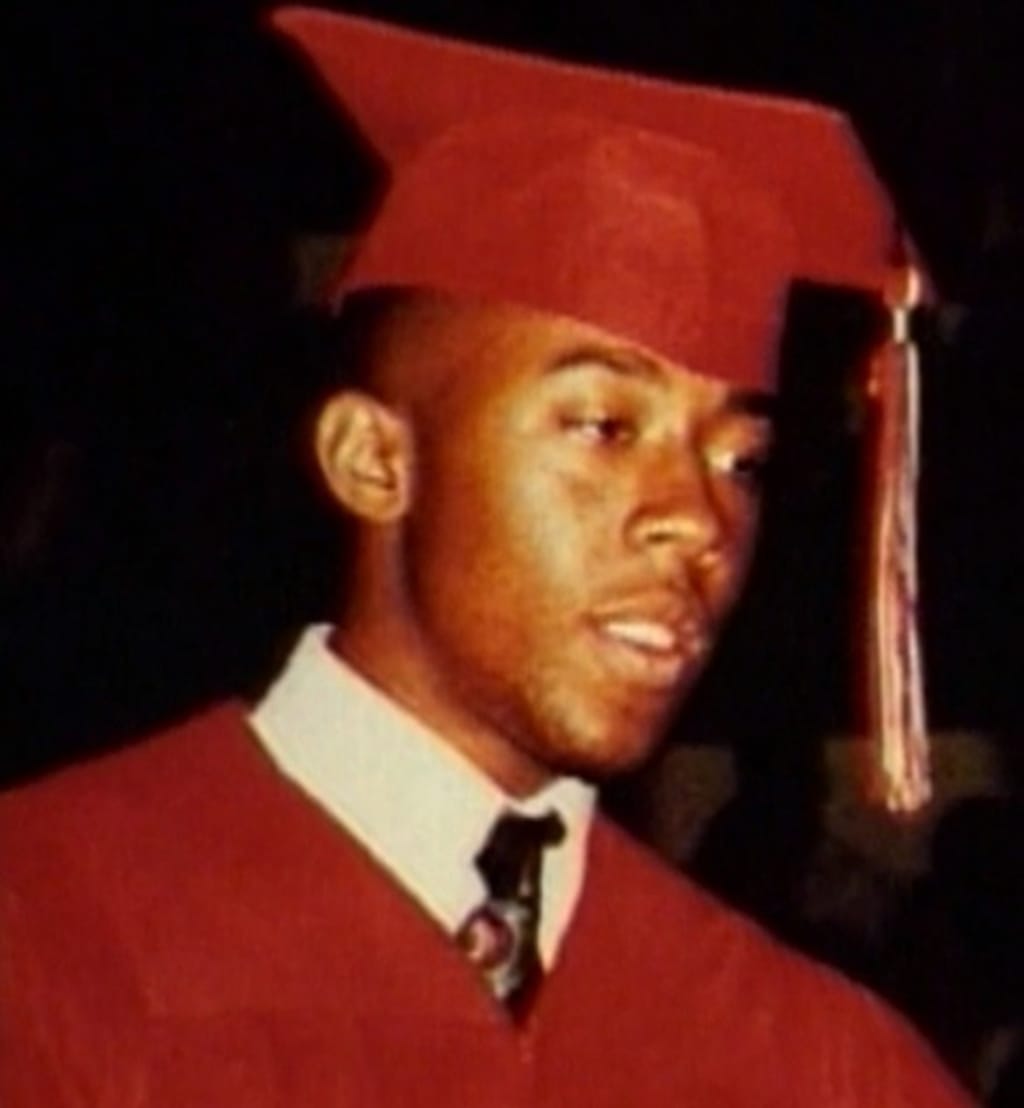
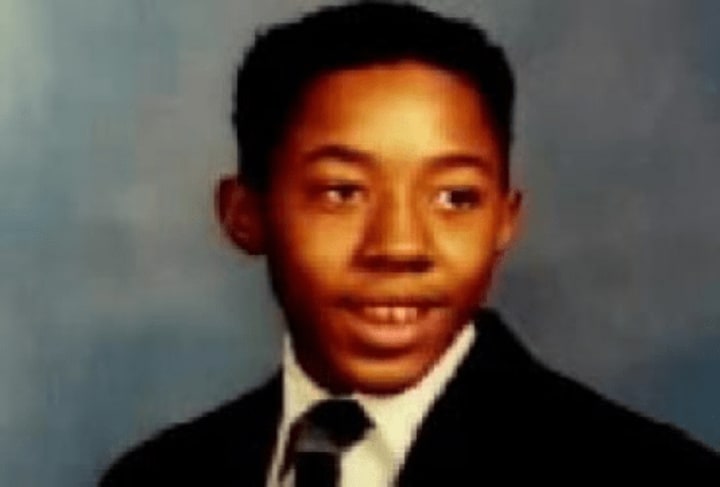
This story centers are 18 year old Andre Jones of Jackson, Mississippi. The young high school graduate was looking forward to starting college in the Fall of 1992. Andre’s mother — Esther — was the president of the Jackson branch of the NAACP. His stepfather (Charles) was a Nation of Islam minister. Andre also had a girlfriend named Tanisha Love. On the night of August 22nd, 1992, Andre and Tanisha were driving together. At around 1 am, they had to stop at a routine sobriety checkpoint in Brandon, Mississippi. At 1:30 am, Andre’s parents received a call from Tanisha.
She told them that Andre had been arrested.
At 2 am, Esther and Charles received a phone call from Andre himself. He told them that he wasn’t even sure why he had been arrested in the first place. He called them again at 4 am to tell them that he was being transferred. They were moving him to Simpson County Jail. His parents would later say that Andre called them 5 times that day; not once was he ever told what he was being charged with. The following morning, they received a visit from a police officer. That officer gave them the phone number to the Simpson County Jail and told them that Andre had committed suicide. His parents were shocked to learn this. To them, he never showed any signs of depression or suicide ideation.
Andre’s parents weren’t convinced.
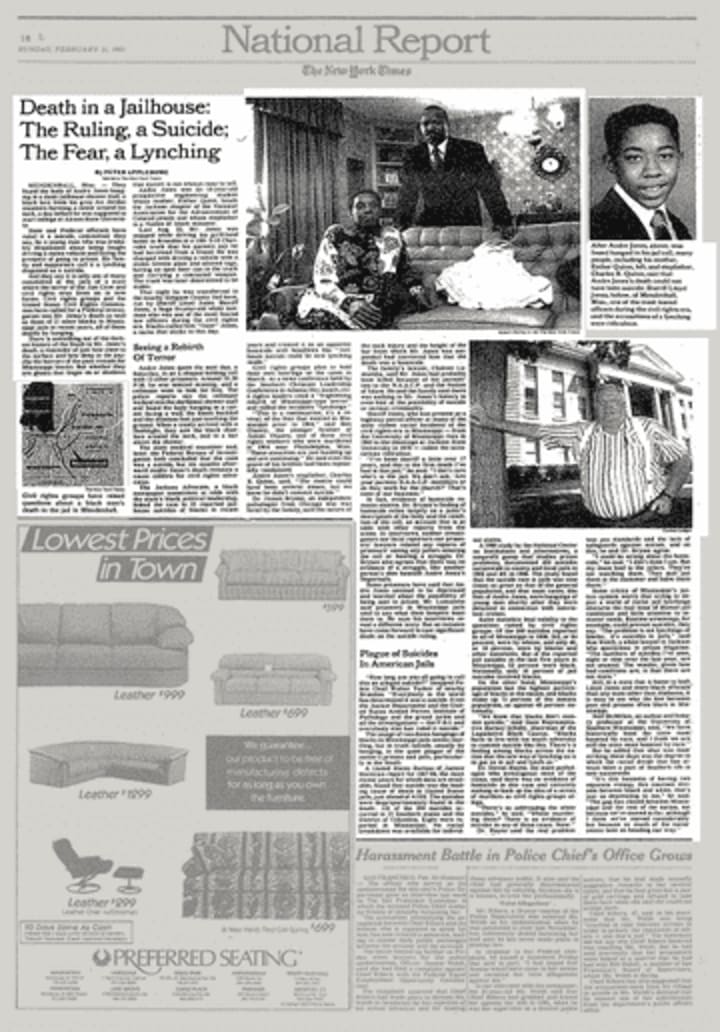
Andre’s parents immediately started looking into the circumstances of his death. They were focused on finding out the circumstances surrounding his arrest that night. The police say that — before Andre stopped his truck at the checkpoint that night — he threw an object out of the car’s window. When the police checked what the object was, they discovered a .38 caliber handgun. They also determined that the truck Andre was driving was not his. Tanisha tells a different version of events from that night. She claims that Andre never threw a gun out of the window. When the police learned of Andre’s name, Tanisha says that a group of them huddled together before asking to see his license. When he told them that he didn’t have it, he was placed under arrest.
Jim Ingram (the police commissioner) claims that Tanisha was telling a false story. He says that Andre himself admitted that he was in a gang and came clean about several “activities” he had been involved in. They even claimed that Andre asked them to photograph him showing different gang signs (they haven’t explained why on earth someone would do that). When Andre’s parents asked to see these photographs, the police refused to release them. Way after the fact, the police finally told Andre’s parents what he was charged with: driving a truck with an altered identification number, carrying a concealed weapon, possession of stolen license plate tags, and driving with an open container of alcohol (police claimed that they saw an open beer can on the floor of the truck).
The police say that another inmate found Andre hanging in the shower. One of his shoelaces was tied to an iron grate above the shower head and used to hang him. State pathologist Dr. Haines weighed in that Andre could have done this by himself. He says that the laces were also tested by the manufacturer and were strong enough to support a body hanging from it. Dr. Haines’ input led to Andre’s parents enlisting the help of an independent pathologist. Dr. James Bryant came to a different conclusion in this case. He found ligature marks on Andre’s neck which were more consistent with strangulation than a hanging.
Andre’s parents were told by one of the inmates that officers took Andre to an unknown location that night. The officers then came back from that location with Andre in a wheelchair. Lastly — according to the inmate — they went ahead and staged his hanging. It should be noted that no other inmate has confirmed this story. Despite Dr. Haines’ claims that the local police, the Armed Forces Institute of Pathology, the Department of Justice, the U.S. Attorney’s Office, and the FBI all agree with his ruling…his parents are still convinced that his death was not due to suicide. It turns out that 47 suspicious deaths occurred in that specific jail in the preceding years. It is believed that Andre was yet another victim.
In March of 1993, a coalition of civil rights groups had hearings on the suspicious deaths. Family members of several different inmates gave their testimony surrounding the mysterious deaths. After just 2 days, the US Commission on Civil Rights urged the Justice Department to open an investigation. Five months later, Dr. Emily Ward (the Mississippi State Medical Examiner) disclosed that she believed all of the mysterious deaths — including Andre’s — to be suicides.
Andre’s family had two lawsuits: one against the State of Mississippi and another against the federal government. Both lawsuits wound up being dismissed. To this day, Andre’s death is still classified as suicide.
About the Creator
True Crime Black
The True Crime genre doesn’t always include equity in its storytelling. WE need to shine a light on our victims of color.
Keep reading
More stories from True Crime Black and writers in Criminal and other communities.
Was The Death Of Terry Lucas A Coverup?
The Background The story of Terry Yvonne Lucas took place at Frontera Prison in California. The penitentiary is one of the largest women’s prisons in the United States. Some of California’s most violently dangerous women can be found in its maximum-security wing. However, the criminal activity in Frontera extends far beyond the inmates. Allegedly, the prison guards (and other employees) have established their own drug trafficking ring right in the heart of the facility. Where does Terry Lucas come into this story?
By True Crime Black3 years ago in Criminal
Story of Larry Hoover
Larry Hoover Legacy in Reform and Pop Culture For more than half a century, the name Larry Hoover has carried a weight that echoes through Chicago’s history and American urban culture. Often discussed in connection with crime, controversy, or organized street life, Hoover’s identity became a symbol far larger than the man himself. But beyond the headlines, beyond the mythology, and beyond the notoriety, there exists a lesser‑known story: the story of a human being who evolved, reflected, transformed, and worked to redirect others from the path he once walked. It is this story — the one buried beneath decades of public narrative — that reveals the depth of Larry Hoover’s transformation.
By Organic Products about 13 hours ago in Criminal



Comments
There are no comments for this story
Be the first to respond and start the conversation.