
We Got Married — Not Committed a Sin. Still, My Father Shot Me Dead.
We Got Married — Not Committed a Sin. Still, My Father Shot Me Dead.

Title:
We Got Married — Not Committed a Sin. Still, My Father Shot Me Dead.
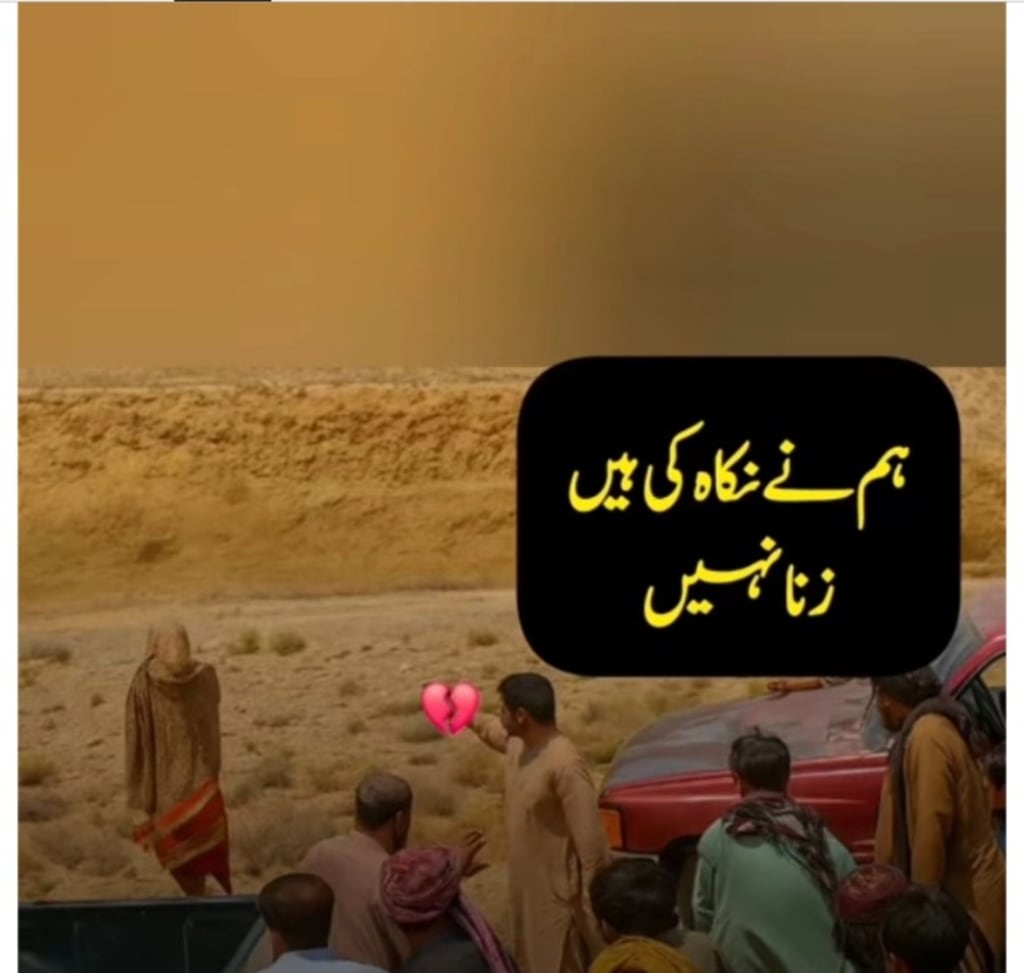
“We did nikah, not zina.”
That was the sentence she whispered on social media—wearing a simple dupatta, her voice steady but full of quiet pain. She wasn’t challenging the world. She was simply trying to explain. Her marriage was valid. Halal. Legal. Pure. Not an act of rebellion. Not shameful. Not a secret.
But her truth never got the chance to live.
Just days later, her father shot her dead.
It happened in Rawalpindi, Pakistan. A 16-year-old girl, full of dreams and courage, was killed by the man who should’ve protected her. Why? Because she refused to delete her TikTok account. That’s what the initial reports said. But behind the headlines was a truth far uglier—her father believed she had dishonored the family.
Even though she hadn’t.
She hadn’t sinned. She had gotten married. With consent. With witnesses. With the rights Islam gives her.
Still, her father picked up a gun instead of picking up understanding.
At first, her death was labeled a suicide. Another daughter lost, another closed case. But whispers became headlines. Her last videos surfaced—where she calmly defended herself, telling the world: “We got married. It’s not haram.”
And suddenly, the world began to realize: this wasn’t suicide.
It was a murder.
A murder of a daughter.
A murder of dignity.
A murder of Nikah.
What exactly had she done wrong?
She didn’t run away.
She didn’t live in sin.
She chose marriage. She chose a lawful, respectful path.
But this society of ours—where honor is buried in ego and daughters are treated like shameful secrets—could not tolerate that.
She died trying to live right.
This wasn’t just her story.
This was a mirror to hundreds—no, thousands—of young girls who are suffocated every year in the name of "honor." In cities and villages, in big homes and small, girls are punished not for doing wrong, but for speaking, choosing, or simply existing too loudly.
Her crime wasn’t love. It was honesty.
Her sin wasn’t disobedience. It was refusing to lie.
And her punishment? A bullet.
She chose nikah—the sacred bond that Islam encourages. A Sunnah. A protection. A right. Yet she was mocked, doubted, and finally—killed.
If she had committed zina, maybe people would have stayed quiet.
But because she chose halal, people shouted louder.
That’s the double standard. That’s the disease.
A girl is seen online? She must be shameless.
A girl gets married without her father’s "permission"? She must be dishonorable.
A girl speaks out? She must be shut up—forever.
And the question rises again:
Where is the law?
Yes, Pakistan has laws against honor killings. But where is the enforcement?
Where is the protection before the gun is fired?
Where is justice when the bullet has already claimed a daughter’s life?
Parents are not gods.
Fatherhood is not ownership.
Daughters are not property.
The Prophet Muhammad ﷺ said:
"The best of you are those who are best to their families."
But today, some men are their family’s worst fear.
What kind of father feels his honor is worth more than his daughter’s life?
What kind of society allows that father to breathe freely while his daughter lies in a grave?
Her face in her last video was glowing with calm strength.
She didn’t raise her voice.
She didn’t curse anyone.
She just said, “We got married.”
She didn’t ask for a medal.
She just wanted to be left in peace.
But peace is a privilege some daughters never receive.
We scroll past her story like it's a tragedy from a faraway land.
But it’s not far. It’s here.
It’s everywhere.
In our homes. In our streets.
In our silence.
We are all guilty.
Guilty of raising a culture where daughters are killed for marriage but ignored if raped.
Guilty of rewarding silence and punishing self-respect.
Guilty of teaching girls that their voice is dangerous.
So here’s the final truth:
She didn’t die because of a video.
She didn’t die because of love.
She died because she dared to live with dignity.
We got married — not committed a sin. Still, my father shot me dead.
The story end kay mujay pata lagay kay yahatak story hay.
About the Creator
Keep reading
More stories from waseem khan and writers in Criminal and other communities.
Touching the Sky: The Story of Jeddah Tower and a Father’s Dream
It was never just about height. When the first sketches of the Jeddah Tower appeared on a dusty boardroom table in Saudi Arabia, the world raised an eyebrow. A kilometer into the sky? They scoffed. But for the people of Jeddah, and for one man named Faisal, this tower was more than steel and ambition — it was hope wrapped in glass.
By waseem khan8 months ago in Earth
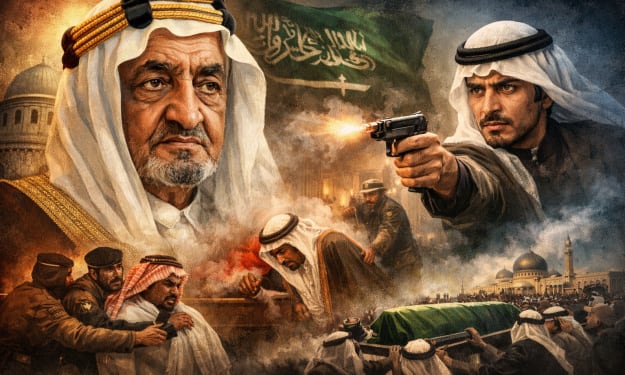
The Assassination of King Faisal: The Tragic Day a Saudi Monarch Was Killed by His Own Nephew
On March 25, 1975, the Arab world was shaken by the shocking assassination of King Faisal of Saudi Arabia. The respected monarch, known for his political wisdom and strong leadership in the Muslim world, was killed inside the royal palace in Riyadh by his own nephew, Faisal bin Musaid. The incident stunned both Saudi citizens and the international community, raising many questions about what circumstances led to such a tragic act within the royal family.
By Irshad Abbasi 7 days ago in Criminal



Comments
There are no comments for this story
Be the first to respond and start the conversation.