
Voices That Fade Too Soon
The Price of Being a Girl


In a world where a screen can be a stage and a voice can echo across borders, some dreams still die in silence.
On June 2, 2025, a bright light was extinguished in Islamabad. Sana Yousaf, a 17-year-old TikTok star and medical student, was shot twice in the chest by her cousin in her own home. Her crime? She dared to live, to speak, to dream in a world that still punishes women for having a voice.
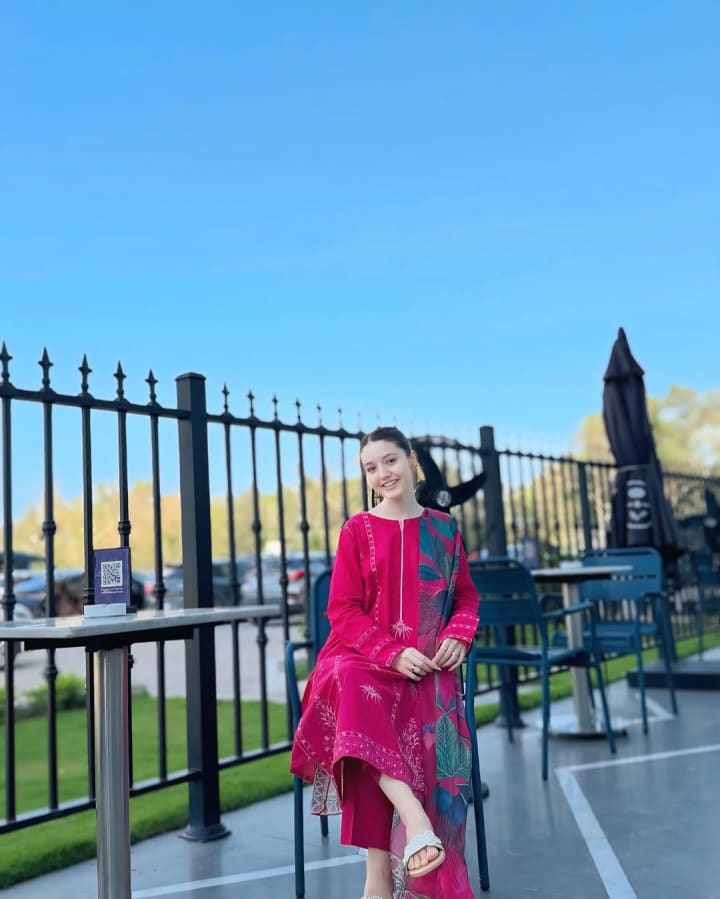
Sana wasn’t just another influencer. She was a voice for women in Chitral, a region tucked away in Pakistan’s north where traditions run deep and the cost of freedom is often paid in blood. She danced, she spoke, she educated. With over 740,000 followers on TikTok and half a million more on Instagram, she used her platform to promote culture, rights, and self-expression. But in a society still bound by fragile male egos and ancient chains, her confidence became a threat.
On that day, her cousin, Umar Hayat—someone she had rejected multiple times—walked into her house and killed her. In cold blood. He couldn't accept "no" from a girl, not in a world where men are raised to believe that a woman’s refusal is a challenge to their honor.
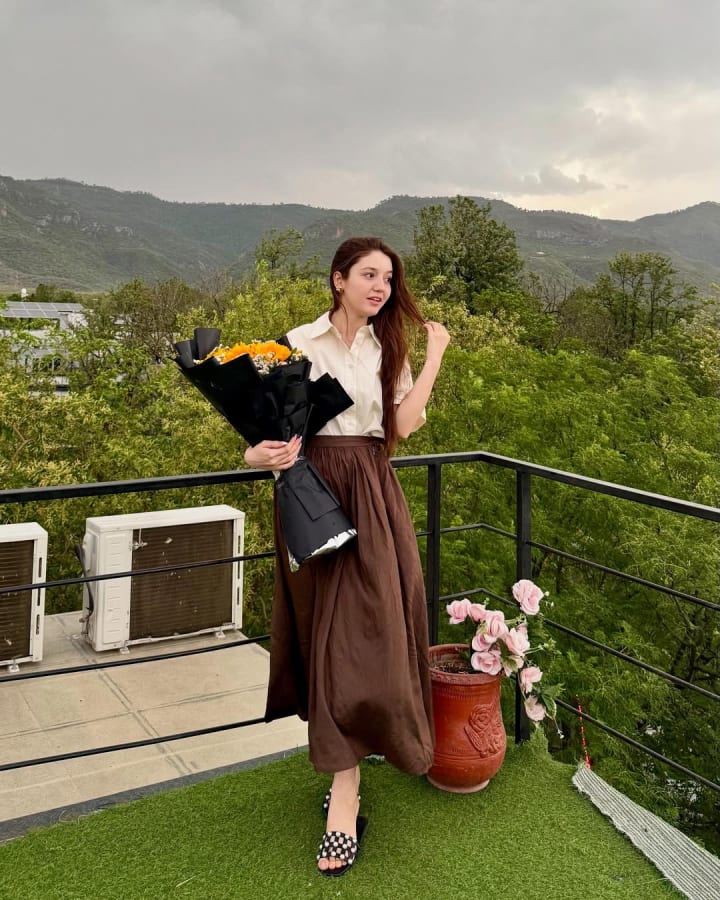
And just like that, Sana’s life, her laughter, her dreams of becoming a doctor, of changing lives, were reduced to hashtags and mourning tweets.
But Sana is not the first.

Not long before her, a 15-year-old girl named Hira was murdered by her father and maternal uncle in Quetta. Her videos on TikTok—innocent, joyful—had brought shame, they said. So they silenced her forever.
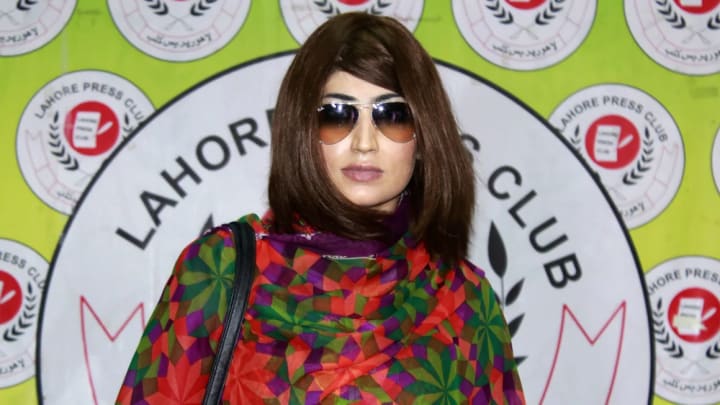
Then there was Qandeel Baloch, killed in 2016 by her own brother. Her bold videos and unapologetic personality made her a symbol of rebellion—and a target. Her brother said he did it for “honor.” What kind of honor lives in murder?
These stories, horrifying as they are, are not isolated. They are part of a larger epidemic. In Pakistan—and many societies like it—a girl who steps into the light becomes a target. A girl who speaks is told she must whisper. A girl who leads is told she must obey. And a girl who refuses to bow, is often buried.
These are not just girls. These are futures. These are mothers, daughters, sisters, creators, leaders. These are dreams written in flesh and blood, wiped out because someone couldn't handle their brilliance.
What kind of society raises boys to believe that a woman's life is theirs to control? What kind of silence do we breed when we don't speak out, when we scroll past the news and forget?
Sana’s murder wasn’t just a family tragedy—it was a national failure. We failed to protect her. We failed to listen when she screamed in silence through her activism. We failed every girl who is watching this unfold and wondering if she’ll be next.
And yet—these girls, even in death, leave something behind. A lesson. A call.
Let Sana's story, and Hira’s, and Qandeel’s, be the last chapters written in blood. Let their voices become yours. Speak out. Write. Protest. Educate. Share.
To every young girl reading this: you are not wrong for dreaming. You are not wrong for dancing, or learning, or speaking up. It is not your fault that others cannot see your worth. It is their blindness—not your brightness—that is the problem.
To the men: protect her, don’t possess her. Listen to her, don’t silence her. Love her with respect, not with control.
And to society: honor is not in control—it is in compassion. It is in letting women be free. It is in valuing life over pride, over ego, over outdated customs that justify brutality.
Sana should have been a doctor. Hira should have finished school. Qandeel should have gone on to change television. They all should have lived.
Let us not forget their names. Let us not allow these stories to fade into digital oblivion. Use your voice—for the ones who no longer can. Tell their stories. Fight for change.
Because until we stop treating our daughters as burdens, our sisters as shame, and our women as property—until then, we are all guilty.
Let Sana Yousaf's story not end in grief—but in a beginning. A beginning where no girl fears for her life just because she chose to live it out loud.
About the Creator
The Manatwal Khan
Philosopher, Historian and
Storyteller
Humanitarian
Philanthropist
Social Activist
Keep reading
More stories from The Manatwal Khan and writers in Criminal and other communities.
Jennifer Kesse: The Unidentified Man and the Vanished Car
The disappearance of Jennifer Kesse remains one of the most perplexing and heartbreaking unsolved missing persons cases in Florida. On January 24 2006 the 24-year-old finance manager vanished from her condominium complex in Orlando without a trace. Nearly two decades later her whereabouts are still unknown, no arrests have been made and the mystery continues to captivate true crime enthusiasts and haunt her family.Jennifer Joyce Kesse was a bright, ambitious young woman living in Orlando Florida. She worked as a finance manager at Central Florida Investments, a timeshare company in Ocoee. Having graduated with a finance degree she had built a stable life, purchasing her own condo in the gated Mosaic at Millenia community near the Mall at Millenia—a place she chose partly for its security features, including a guard. Jennifer was described by loved ones as responsible, family-oriented,and safety-conscious. She maintained close ties with her parents,Drew and Michelle Kesse and her boyfriend Rob Allen.
By Kure Garba3 days ago in Criminal
The Politics of Playing Dress-Up
Well, to start off I'd like to say a happy world book day to all who celebrate. I know I haven't really posted anything on my socials about it but I'm not a jubilant kind of person. I lay low most of the time. Let's start off with a popular anecdote from the vaults...
By Annie Kapur5 days ago in Geeks

Comments
There are no comments for this story
Be the first to respond and start the conversation.