
Velma Barfield: The "Death Row Granny" Who Turned Care Into Chaos
Beneath the image of a kindhearted caregiver and devoted churchgoer, Velma Barfield harbored a chilling secret: a dark penchant for poison.

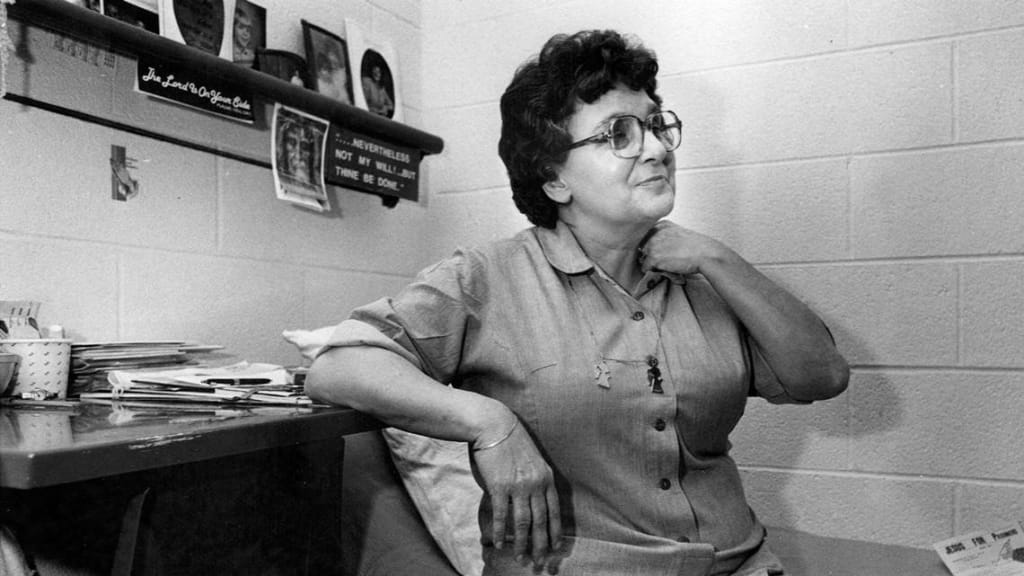
Once regarded as a harmless grandmotherly figure, Velma's hidden addiction and simmering resentments drove her to commit unspeakable acts. Ultimately, her crimes left six known victims in their wake and earned her the nickname "Death Row Granny," as she became one of the first women executed in the United States after the reinstatement of capital punishment.
Velma's Troubled Beginnings
Born Velma Margie Barfield on October 29, 1932, in rural East Over, North Carolina, she grew up in a household mired in poverty and dysfunction. The second of nine children, Velma endured a childhood without basic utilities like electricity and running water.
Her father, Murphy, juggled various jobs but mismanaged their meager finances, often splurging on unnecessary purchases while the family struggled. Velma also described her father as abusive, claiming he had violent outbursts and physically harmed the children. There were also allegations of sexual abuse, which Velma's siblings disputed but one sister later supported.
Despite her chaotic home life, school offered a brief escape. However, Velma's time there wasn't easy. Her family's financial struggles made her a target of ridicule, and she often lashed out with tantrums reminiscent of her father's outbursts.
A New Chapter, or So It Seemed
At 16, Velma began dating Thomas Burke, a relationship her father opposed even after they eloped in 1949. Their marriage offered a semblance of stability, with Thomas securing work and the couple starting a family. They welcomed two children: Ronald in 1951 and Kim in 1953.
But this period of normalcy unraveled. Velma's health issues, including a hysterectomy and chronic pain, led to a dependency on prescription drugs. Meanwhile, Thomas turned to alcohol after a car accident, and their once-peaceful home became a battleground.
In a tragic turn, Thomas died in a house fire caused by a dropped cigarette in 1969. While investigators ruled his death accidental, it marked the beginning of a pattern that would raise questions in later years.
The Descent into Darkness
Velma's addiction worsened after Thomas's death. She turned to various doctors to sustain her supply of pills while working multiple jobs to support her family. Her grief and growing resentment spilled into her relationships with others, including Jennings Barfield, a disabled widower she married in the early 1970s.
When their marriage soured, Velma poisoned Jennings with arsenic, leading to his death in 1971. To those around her, Jennings's passing seemed like a natural outcome of his existing health issues.
But this was only the beginning. Over the next several years, Velma continued to target those closest to her, including her own mother, Lillian. Motivated by resentment and financial gain, Velma poisoned her mother after stealing money in Lillian's name to fund her addiction.
A Pattern of Betrayal
Velma exploited her role as a caregiver to access vulnerable victims. Elderly couples Montgomery and Dolly Edwards and John and Record Lee suffered under her care. Velma's simmering frustrations with their demands turned deadly as she methodically poisoned them.
Her final victim, Stuart Taylor, was a romantic partner who caught on to her forgeries. After threatening to report her theft, Stuart fell mysteriously ill. Doctors initially attributed his symptoms to food poisoning, but an autopsy revealed arsenic as the true culprit.
Justice Catches Up
Stuart's suspicious death, coupled with an anonymous tip from Velma's sister, prompted authorities to investigate. When exhumations of her previous victims uncovered traces of arsenic, Velma confessed to several murders but denied others, including that of her first husband, Thomas.
In 1978, Velma was convicted of first-degree murder for Stuart Taylor's death. Despite her defense citing mental instability and addiction as mitigating factors, the jury sentenced her to death.
On November 2, 1984, Velma Barfield was executed by lethal injection, becoming the first woman to face this method in the U.S.
Legacy of a Caregiver Turned Killer
Velma Barfield's story remains a grim reminder of the trust placed in caregivers - and the devastating consequences when that trust is betrayed.
Thank you for reading!
If you find this piece interesting, please leave a heart, comment, or even subscribe! Your support means a lot to me as a writer!
About the Creator
Victoria Velkova
With a passion for words and a love of storytelling.
Keep reading
More stories from Victoria Velkova and writers in Criminal and other communities.
How Human Traffickers Use the Internet to Erase Victims
It starts with a message — maybe on Instagram, a dating app, or even a job posting that seems too good to be true. Someone you don’t know slides into your inbox with a friendly greeting or an opportunity that catches your attention. Before you know it, you’re drawn into a conversation, and everything seems completely normal. But then, something changes. Suddenly, the person on the other end isn’t who they said they were, and before you even realize it, you’ve fallen into a trap that’s nearly impossible to escape.
By Victoria Velkova12 months ago in Criminal




Comments
There are no comments for this story
Be the first to respond and start the conversation.