
Unraveling the Dark Rituals Behind Gang Membership
Gang Initiations
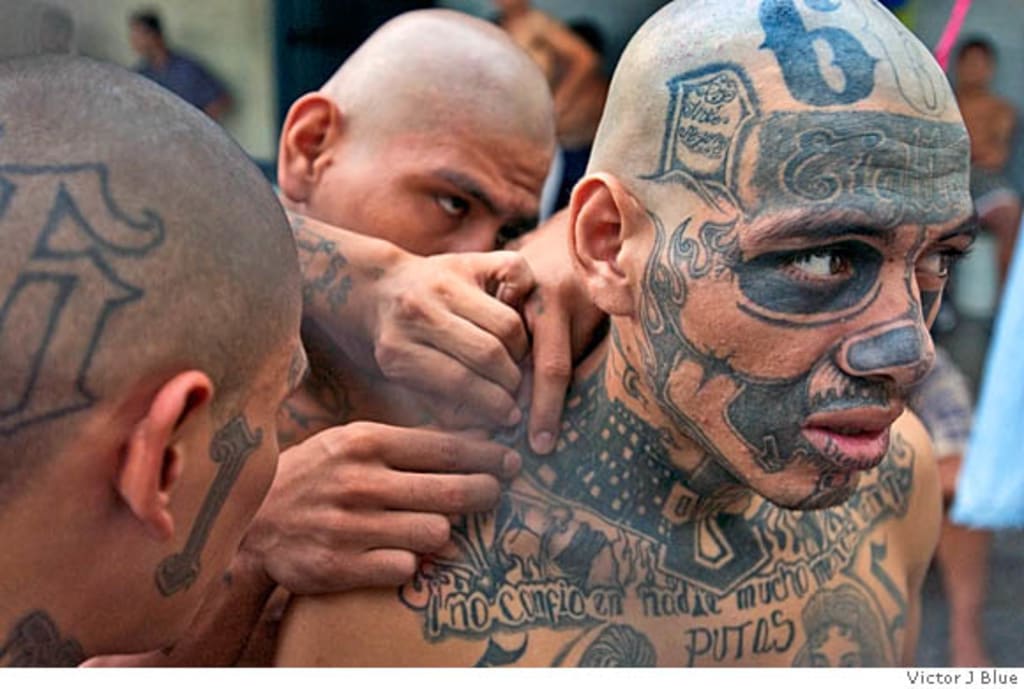
In a world where belonging and identity are paramount, some individuals are drawn into the dark allure of gangs. Gangs, with their tight-knit communities and fierce loyalty, have a strong pull on troubled youth seeking acceptance. However, gaining entry into these groups is not as simple as it may seem. Behind the facade of brotherhood lies a treacherous path - the initiation rituals that can be harrowing and dangerous, leaving a lasting impact on the lives of those involved. In this article, we will delve into the chilling world of gang initiations, exploring the psychology behind them and the real-life examples that highlight the stark reality of these dark rituals.
Introduction
Gangs have been a persistent presence in societies worldwide, attracting individuals who yearn for a sense of belonging, protection, and identity. To gain entry into these tightly-knit groups, aspiring members must undergo a series of initiation rituals, which often involve displaying loyalty and committing acts of violence. This article seeks to shed light on these secretive and dangerous initiation practices, exposing the consequences they hold for both individuals and communities.
Understanding Gang Culture
The Appeal of Gangs
For many individuals, the appeal of gangs lies in the promise of family-like bonds, protection, and an escape from challenging environments. Gangs often fill the void left by absent family structures or lack of community support, offering a sense of belonging that can be alluring to vulnerable youths.
Factors Leading to Gang Membership
Several factors contribute to an individual's decision to join a gang, including poverty, lack of education, exposure to violence, and peer pressure. The combination of these elements creates an environment ripe for recruitment, especially for young people seeking validation and camaraderie.
The Initiation Process
Hurdles to Overcome
Gang initiations are designed to test the commitment, loyalty, and bravery of potential members. These rituals are often severe and demand a level of sacrifice that demonstrates an individual's dedication to the gang's cause.
Acts of Violence and Loyalty Tests
Initiation ceremonies frequently involve acts of violence, ranging from physical altercations to more heinous crimes. Additionally, loyalty tests are conducted to ensure that new members prioritize the gang's interests above all else.
Real-Life Examples
Case Study 1: The XYZ Gang
In a prominent city, the XYZ gang gained notoriety for its brutal initiation rites. Aspiring members were required to engage in a series of violent acts, including robbery and assault, to prove their worthiness. These dangerous tasks acted as both a filter for the weak and a demonstration of loyalty to the group.
Case Study 2: The ABC Crew
The ABC Crew, a notorious gang in another urban area, required potential members to commit thefts as their initiation. Furthermore, they demanded complete obedience and loyalty to the gang's leaders, often subjecting new recruits to further tests of their commitment.
The Psychological Impact
Long-Term Consequences
The psychological consequences of gang initiations are profound, leaving participants traumatized and scarred. Survivors of these brutal rituals often experience ongoing fear, guilt, and psychological distress that affect their ability to lead healthy, productive lives.
Breaking the Cycle
Breaking away from the gang life is a daunting challenge for many members due to fear of retaliation, feelings of loyalty, and lack of alternatives. However, targeted intervention and support systems can pave the way for exiting the gang life.
The Role of Community and Prevention
Creating Safe Spaces
To combat gang recruitment, it is essential to create safe spaces within communities where individuals can find support, guidance, and positive role models. Community-based programs can offer an alternative path to troubled youth, reducing their vulnerability to gang influence.
Mentorship Programs
Mentorship programs that connect at-risk youth with caring adults can play a crucial role in steering them away from the dangerous allure of gangs. These mentors can provide guidance, empathy, and encouragement to help young individuals make positive life choices.
Gangs and Media Portrayal
Media's Influence on Perception
Media portrayal plays a significant role in shaping public perception of gangs and their initiations. The glorification of gang culture in movies and music often romanticizes violence and criminal activities, contributing to the appeal for some individuals.
The Responsibility of Media Outlets
Media outlets must exercise responsibility in depicting gang culture. Balancing the need for truthful reporting while avoiding glorification can help curb the fascination with gangs among impressionable audiences.
Law Enforcement's Approach
Suppression vs. Rehabilitation
Law enforcement faces the challenge of balancing suppression and rehabilitation when dealing with gang activities. While taking down dangerous gang leaders is vital for public safety, rehabilitation programs for lower-level members can break the cycle of violence.
Community Policing Initiatives
Community policing fosters trust between law enforcement and the communities they serve. By building positive relationships, law enforcement can gain valuable insights into gang-related activities and implement targeted strategies for prevention and intervention.
Rehabilitation and Exit Strategies
Support for Former Gang Members
Efforts to support former gang members as they reintegrate into society are crucial to breaking the cycle of violence. Providing access to education, job training, and mental health support can increase their chances of successful reintegration.
Providing Opportunities for Change
Creating opportunities for gang members to leave their old life behind and start anew is vital. Educational programs, job placements, and community support can empower individuals to break free from the shackles of gang life.
Conclusion
Gang initiations are harrowing rituals that draw countless individuals into a dark world of violence and crime. Understanding the psychology behind gang culture and initiation practices is vital in devising effective solutions to curb gang membership and break the cycle of violence. By fostering supportive communities, providing mentorship, and offering rehabilitation opportunities, society can inspire positive change and offer a glimmer of hope to those ensnared by the clutches of gangs.
About the Creator
Keep reading
More stories from David kimani and writers in Criminal and other communities.
USS Abraham Lincoln in the South China Sea: Power Projection and Public Questions
USS Abraham Lincoln in the South China Sea: Power Projection and Public Questions The presence of the USS Abraham Lincoln in the South China Sea has drawn global attention due to the strategic importance of the region and the role of US naval power. As a nuclear powered aircraft carrier, the USS Abraham Lincoln represents one of the most advanced assets in the United States Navy. Its deployments are closely watched by governments, analysts, and the public because they reflect broader geopolitical dynamics and security priorities in the Asia Pacific region.
By America today 6 days ago in Criminal
Who Was The Lady in Room 2805?
Jennifer Fairgate, a friendly woman who spoke with a German accent, checked into Room 2805 at the Oslo Plaza Hotel in Norway on May 31, 1995. She arrived alone and paid for the room in cash. Hotel staff did not request identification.
By Criminal Mattersa day ago in Criminal



Comments
There are no comments for this story
Be the first to respond and start the conversation.