
Unmasking Corruption
Global Menace and the Path to Transparency
Introduction:
Corruption, a pervasive and destructive social issue, infiltrates societies worldwide, eroding trust, undermining institutions, and perpetuating inequality. From embezzlement and bribery to nepotism and fraud, corruption takes various forms and inflicts significant harm on both the public and private sectors. This article explores the multifaceted nature of corruption, its far-reaching consequences, and the imperative for concerted efforts to combat this deep-rooted problem.
Understanding Corruption:
Corruption refers to the misuse of entrusted power for personal gain or the manipulation of public resources for private benefit. It corrodes ethical standards, distorts decision-making processes, and obstructs socio-economic development. Corruption often thrives in environments characterized by weak accountability mechanisms, lack of transparency, and a culture of impunity. It stifles opportunities, diverts resources from critical areas such as education and healthcare, and perpetuates social and economic disparities.
Consequences of Corruption:
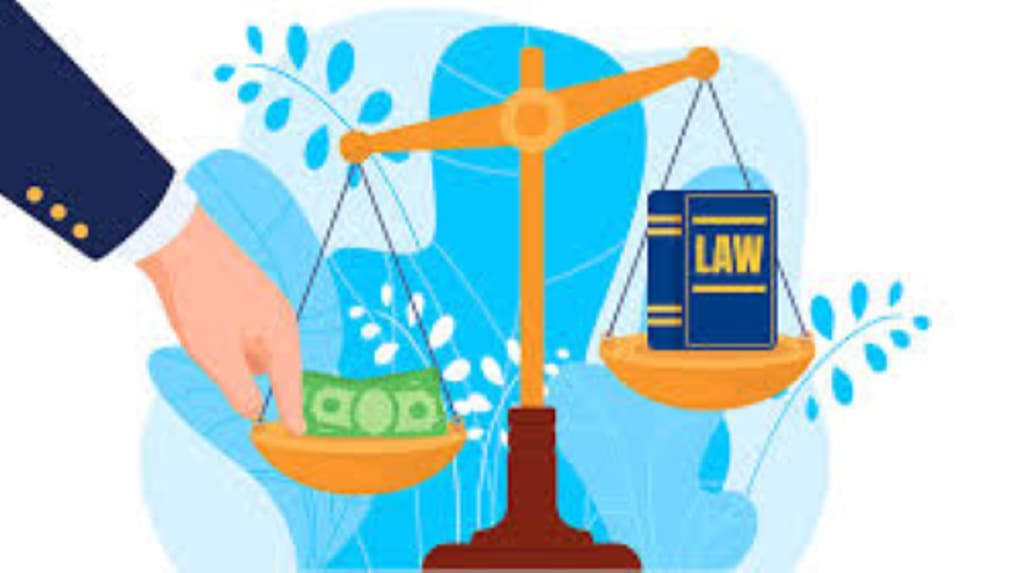
The impact of corruption is profound and wide-ranging. Economically, corruption undermines growth, deters investment, and hampers development by creating an uncertain business environment. It diverts resources away from essential public services, hindering infrastructure projects and exacerbating poverty. Weakening institutions is another significant consequence of corruption, as it erodes the integrity and credibility of governments, judiciary, law enforcement agencies, and regulatory bodies. Corruption undermines the rule of law, compromises justice, and obstructs effective governance, thus eroding public trust.
Socially, corruption perpetuates inequality by creating a system where access to public services, justice, and opportunities is influenced by bribery or personal connections rather than merit. This deepens social divisions, fosters resentment, and hampers social cohesion. Furthermore, corruption has dire environmental consequences, contributing to activities such as wildlife trafficking, illegal logging, and pollution. It undermines environmental regulations, compromising the sustainability of natural resources and exacerbating ecological problems.
Combating corruption:
Stopping corruption is a complex and multi-faceted challenge that requires the collective efforts of governments, institutions, civil society, and individuals. Several key strategies can be employed to combat corruption effectively:
Strengthening Legal Frameworks: Enacting and enforcing comprehensive anti-corruption laws is crucial. These laws should criminalize corrupt practices, establish transparent procurement processes, protect whistleblowers, and ensure the independence and integrity of anti-corruption agencies. Strong legal frameworks provide the foundation for combating corruption and holding accountable those who engage in corrupt activities.
Promoting Transparency and Accountability: Fostering a culture of transparency is essential. Governments should implement open and accessible systems, including financial disclosures, public procurement practices, and freedom of information legislation. Embracing technology, such as e-governance and digital records, can enhance transparency and citizen engagement. Moreover, encouraging a culture of accountability, where public officials are held responsible for their actions, is vital in deterring corrupt behavior.
Empowering Civil Society and Media: Supporting and protecting the role of civil society organizations, investigative journalism, and independent media is crucial in exposing corruption and promoting accountability. Civil society plays a vital role in monitoring government actions, advocating for transparency and anti-corruption measures, and holding authorities accountable. An independent and robust media can act as a watchdog, raising public awareness about corruption and investigating and reporting on corrupt practices.
Promoting Ethical Leadership and Professionalism: Promoting integrity, ethics, and professionalism among public officials and private sector leaders is essential. This can be achieved through integrity training programs, the establishment of codes of conduct, and the adoption of merit-based appointments to key positions. Encouraging a culture of ethical leadership and professionalism helps create an environment that discourages corrupt practices and promotes transparency and accountability.
International Cooperation: Collaboration between governments, international organizations, and civil society is critical in combating corruption on a global scale. Sharing best practices, information, and expertise can help strengthen anti-corruption efforts. Mutual legal assistance and coordination in recovering stolen assets can facilitate the fight against corruption across borders. International conventions, such as the United Nations Convention against Corruption, provide a framework for international cooperation and the exchange of information in combating corruption.
Education and Awareness: Promoting public awareness about the detrimental effects of corruption and the importance of integrity is crucial. Education systems should integrate anti-corruption education into curricula, teaching values of honesty, transparency, and accountability from an early age. Public awareness campaigns, community engagement, and the involvement of youth and civil society can help mobilize support and create a culture that rejects corruption.
It is important to recognize that eradicating corruption requires long-term commitment, sustained efforts, and a comprehensive approach. Combating corruption goes beyond legal and institutional measures; it involves transforming societal norms and values. By addressing the root causes, implementing effective strategies, and fostering a culture of transparency and integrity, we can strive towards a future where corruption is minimized, trust is restored, and societies thrive with fairness and justice.
Conclusion:
Corruption is a destructive force that undermines the fabric of society. By understanding its nature, recognizing its consequences, and implementing effective measures to combat it, we can work towards a more just and transparent world. It is a collective responsibility to dismantle the foundations of corruption and build a society that values integrity, fairness, and accountability. Only through unwavering commitment and international cooperation can we overcome this global menace and create a brighter future for all.
About the Creator
Keep reading
More stories from Ayan Bhatti and writers in Criminal and other communities.
Global Warming
Introduction: Global warming, a phenomenon driven by human activities, poses a significant threat to our planet and its ecosystems. It refers to the long-term increase in Earth's average temperature due to the accumulation of greenhouse gases in the atmosphere. As we continue to release vast amounts of carbon dioxide and other greenhouse gases into the air, the consequences of global warming become increasingly evident. Understanding its implications and implementing effective measures to combat it are crucial for the well-being of our planet and future generations.
By Ayan Bhatti3 years ago in Earth
The Summer I Was Chosen by a Northern Mockingbird
During the long, suspended days of the pandemic, a wild mockingbird began visiting my driveway and chose me, again and again. What started as a strange encounter became a brief, meaningful connection that I still carry with me.
By Erica Roberts 4 days ago in Petlife




Comments
There are no comments for this story
Be the first to respond and start the conversation.