
Unit 731: Japan’s Hidden Holocaust of Human Experimentation
great abolition of human rights and lives.

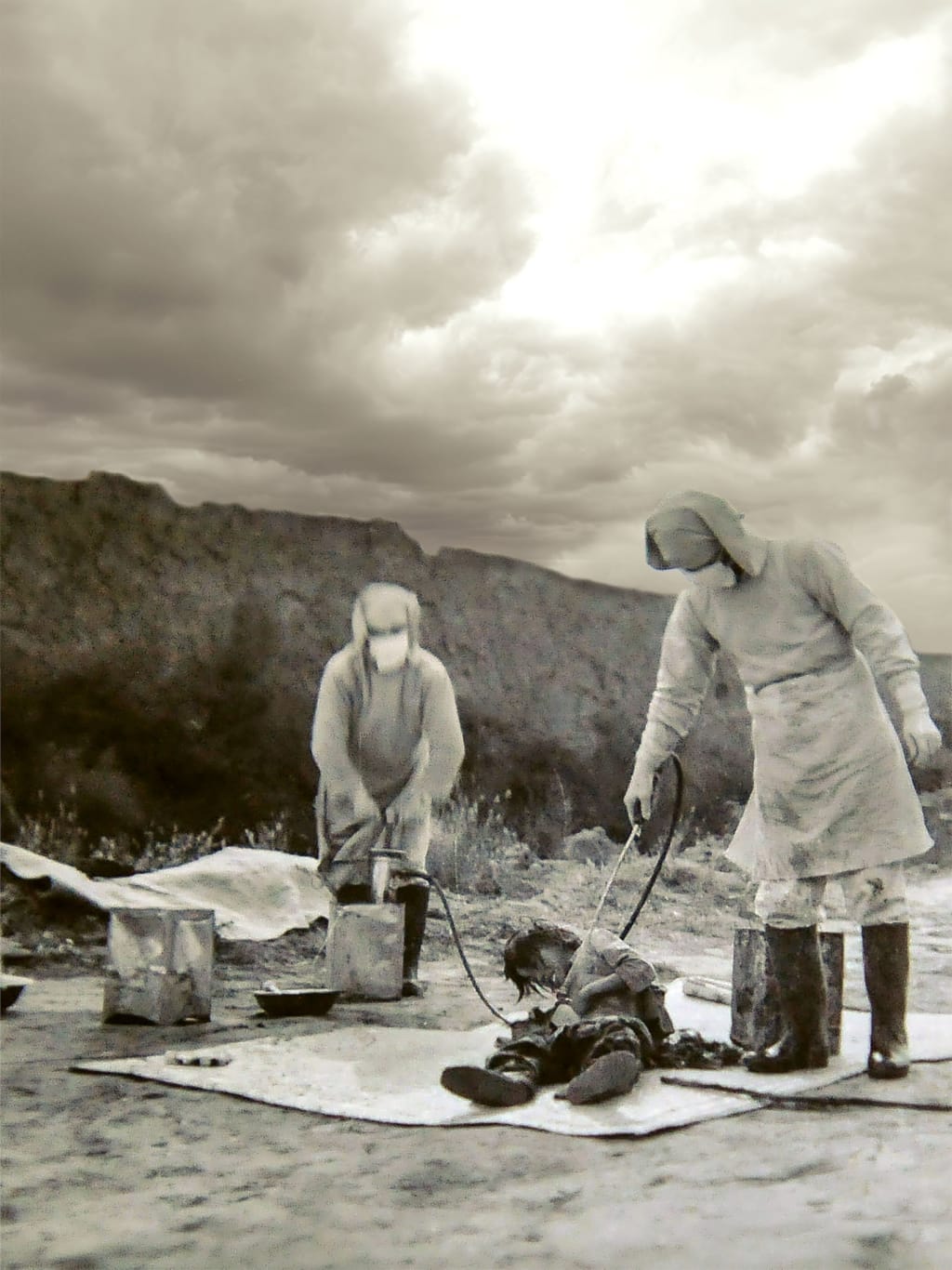
In the annals of human cruelty, few atrocities rival the horrors committed by Japan’s Unit 731 during World War II. Operating under the guise of the “Epidemic Prevention and Water Purification Department,” this covert division of the Imperial Japanese Army conducted some of the most inhumane experiments ever recorded, leaving a legacy of suffering that remains largely unacknowledged to this day.
Origins and Objectives
Established in 1936 in the Pingfang district of Harbin, Manchukuo (now Northeast China), Unit 731 was the brainchild of Surgeon General Shirō Ishii. Ostensibly tasked with disease prevention, its true purpose was far more sinister: the development of biological and chemical weapons through human experimentation. With the endorsement of high-ranking military officials, Ishii aimed to create weapons with humans as their intended victims, leading to the formation of this secretive unit.
Gruesome Experiments
The atrocities committed within Unit 731's walls are staggering in both scale and brutality. Victims, euphemistically referred to as "maruta" (logs), included Chinese civilians, prisoners of war, and individuals from various nationalities. They were subjected to a litany of experiments:
Vivisection: Prisoners were dissected alive without anesthesia to study the effects of diseases on living organs.
Disease Exposure: Subjects were deliberately infected with pathogens like plague, cholera, anthrax, and typhoid to observe disease progression.
Frostbite Testing: Limbs were frozen and then thawed to study the effects of frostbite, often resulting in permanent damage or death.
Weapon Testing: Human beings were used to test grenades, flamethrowers, and other weapons, assessing their effectiveness on living targets.
Sexual Abuse and Forced Pregnancy: Women were raped and impregnated to study the transmission of diseases from mother to child, with both mothers and infants often killed after experimentation.
These experiments were not isolated incidents but part of a systematic program involving approximately 300 researchers, including doctors and bacteriologists. Estimates suggest that between 3,000 to over 10,000 people were killed in these experiments, with no documented survivors.
Field Testing and Biological Warfare
Unit 731's reach extended beyond its laboratories. The unit conducted at least 12 large-scale biological warfare field trials, attacking Chinese civilian populations with pathogens. Cities like Changde suffered devastating outbreaks, with reports indicating approximately 10,000 biological casualties and 1,700 deaths among Japanese troops due to cholera. These attacks demonstrated the unit's capability to manufacture substantial quantities of biological agents monthly, including 300 kg of plague and 1,000 kg of cholera.
Silence and Immunity
As the war drew to a close, efforts were made to erase Unit 731's existence. Prisoners were executed, facilities destroyed, and records burned. Despite the magnitude of their crimes, many perpetrators, including Ishii, were granted immunity by the United States in exchange for their research data. This decision, driven by Cold War exigencies, meant that justice was never served for the countless victims.
Testimonies and Acknowledgment
Decades later, individuals like Hideo Shimizu, a former cadet at Unit 731, broke their silence. Haunted by memories of the atrocities he witnessed, Shimizu recounted the horrors of live dissections and the eerie "specimen room" filled with human remains. His testimony, along with others, has been crucial in shedding light on these dark chapters of history.
However, official acknowledgment remains limited. In 2002, the Tokyo District Court recognized that Unit 731 used bacteriological weapons on Chinese civilians but rejected compensation claims, citing international peace treaties. The Japanese government continues to deny full responsibility, and many records remain classified or destroyed.
Legacy and Reflection
Unit 731 stands as a grim testament to the depths of human depravity when science is divorced from ethics. The victims' suffering, largely unacknowledged, serves as a stark reminder of the importance of historical memory and accountability. As survivors age and memories fade, it becomes ever more crucial to confront and learn from these atrocities to ensure they are never repeated.
About the Creator
E. hasan
An aspiring engineer who once wanted to be a writer .
Push To Prevent Catapults Being Bought By Children
MP’s have been warned to put new legislation in place that will help to close a loophole in the law which allows people including children to legally buy weapons which is capable of killing wildlife. The alert was issued during a briefing in parliament which set out growing evidence that catapults were being misused against animals and to damage other people’s private property. The Naturewatch Foundation who hosted the session expanded on their message that at the moment there is a completely unregulated system where people of any age can buy weapons and there are no meaningful controls on sale or power.
By Ashish Prabhu5 days ago in Criminal
The First Rainbow Baby
Pitter-patter, pitter-patter. The rain fell in rhythmic splatters, slowly slowing, but still constant. Mira rolled onto her side pulling the blanket tight against her ears, but still she could hear chitter-chatter and scurrying feet of the creatures that refused to sleep in the lower decks.
By A. J. Schoenfelda day ago in Fiction


Comments
There are no comments for this story
Be the first to respond and start the conversation.