
Trapped in Yemen: How a Kerala Woman's Dream Turned into a Death Sentence
When Justice Fails Abroad: The Tragic Fall of Nimisha Priya in Yemen

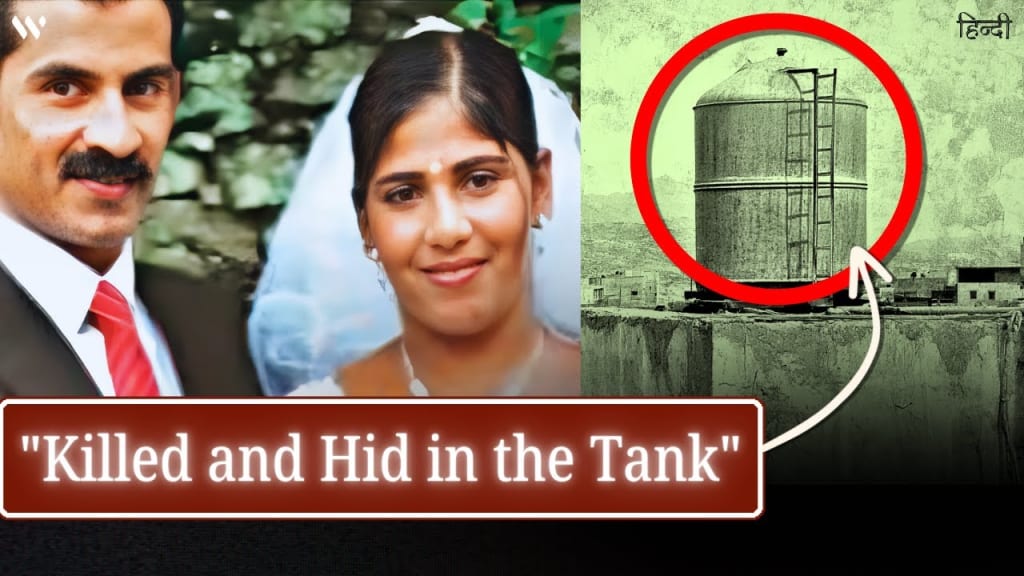
Nimisha Priya once had a dream — not of luxury, not of fame, but of giving her family a better life.
Born in a modest village in Kerala, India, Nimisha grew up like many young girls in rural India — with big dreams and limited options. But she was determined. Quiet yet ambitious, she poured her heart into becoming a nurse. Supported by her local church and fueled by the desire to lift her family out of poverty, she set out on a path that would eventually take her far from home — to war-torn Yemen.
At just 19, Nimisha moved to Yemen in 2008, hopeful and wide-eyed. She believed that hard work and compassion would open doors. And for a time, they did. She quickly earned a good reputation in the hospitals she worked at. Patients trusted her. Colleagues respected her. Money started flowing in — enough to send back home to support her loved ones. Her dream was slowly coming true.
In 2011, she married Tommy Thomas, a humble auto-rickshaw driver from Kerala. They shared love, values, and a dream of a better life. A year later, Tommy joined her in Yemen, and they were soon blessed with a daughter. Life was not easy, but it was theirs to build.
But dreams often carry a cost.
Tommy eventually returned to India with their daughter, hoping to give her a stable upbringing away from the growing unrest in Yemen. Nimisha stayed behind, determined to achieve something greater — to open her very own medical clinic.
However, there was a catch: Yemeni law required foreign nationals to have a local partner in order to own a business.
Enter Talal Mahdi, a Yemeni man she had known through her work. Nimisha trusted him. Why wouldn’t she? She had no idea that this decision would unravel her entire life.
With help from friends and financial backing from her husband, Nimisha launched the Al Aman Medical Clinic — a 14-bed facility in the heart of Yemen. It flourished quickly. Patients poured in. Revenue grew. But as the money rolled in, so did Talal’s dark side.
He began manipulating legal documents. He registered business assets in his own name. He claimed co-ownership. But most shockingly — and disturbingly — he started telling people that Nimisha was his wife.
He forged a fake Yemeni marriage certificate using a photoshopped image from Nimisha’s real wedding in India. The manipulation was not just legal — it was personal, invasive, and deeply cruel.
And then came the abuse.
As Yemen plunged deeper into civil war, Nimisha found herself isolated. Tommy and her daughter couldn’t return. Indian evacuation efforts meant she was stuck. Alone. Vulnerable. And completely at the mercy of Talal.
He reportedly began physically and emotionally abusing her. He cut her off from help. Controlled her every move. And all the while, she was drowning in loans, her clinic at stake, and her dignity stripped away.
What do you do when the system that should protect you turns its back? When the law favors your abuser? When escape is no longer an option?
In 2017, everything came crashing down.
In a desperate, tragic turn of events, Nimisha and a friend took matters into their own hands. Talal was found brutally murdered — his dismembered body hidden in a water tank. The story exploded across global headlines. The nurse who came to save lives was now accused of taking one.
She was arrested, tried, and convicted. In 2020, she was sentenced to death. Her pleas for mercy were rejected one by one. And on December 30, 2024, the President of Yemen officially denied her final request for clemency.
Now, Nimisha Priya waits in a Yemeni prison — alone, with execution looming.
Is she a criminal? Or a victim driven to the edge?
This is not just a story about a murder. It’s a haunting tale of betrayal, desperation, and survival. A woman left behind by the system, manipulated by a predator, and punished by a law that refused to hear her voice.
Activists across India and abroad have rallied for her release. Human rights groups have begged for a retrial. But time is running out.
Nimisha’s story is a chilling reminder of how dangerous the world can be for migrant workers, especially women. It’s a wake-up call — a plea to listen, to care, and to never ignore the silent screams of those trapped in foreign nightmares.
Because sometimes, the line between victim and criminal isn’t drawn in black and white — but in blood, fear, and broken dreams.
About the Creator
Keep reading
More stories from Yasir Hamid and writers in Criminal and other communities.
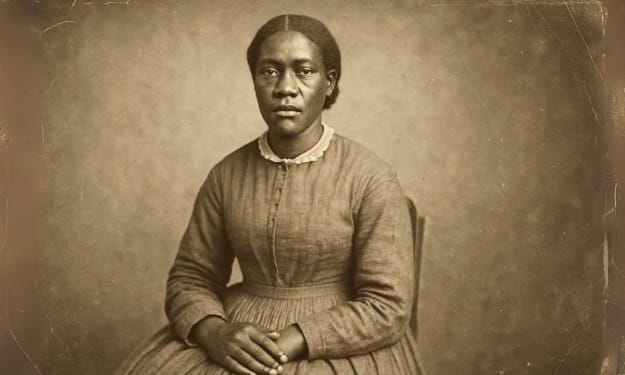
The Slave Louisa Who Sewed Poison into the Clothes of the Big House Family – Tennessee, 1853
What if vengeance didn’t strike with a blade or a bullet, but with something softer? What if death didn’t come on a battlefield, but in the folds of a gown or the seams of a coat? What if a needle carried more danger than a sword?
By Yasir Hamid 5 months ago in Criminal
The Mayor’s Silence: Thomas Reinhold, Jonathan Gerlach, and Ephrata's 'House of Skulls'
The Promotion to Failure Thomas G. Reinhold isn’t a newcomer to Ephrata’s power structure; he is its architect. After spending over a decade (2012–2025) as Council President—rubber-stamping police budgets and prioritizing quick, unanimous meetings over deep scrutiny—Reinhold finally ascended to the Mayor’s office in January 2026.
By Sunshine Firecracker3 days ago in Criminal
The $1 Deed: Did Jonathan Gerlach Transfer His Ephrata Property to Hide Assets?
The Paper Trail While the investigation into the Mount Moriah Cemetery grave robberies was quietly building, Jonathan Gerlach was already making moves to separate himself from his most valuable asset.
By Sunshine Firecracker4 days ago in Criminal



Comments
There are no comments for this story
Be the first to respond and start the conversation.