
Tkach: Ukraine's Serial Horror
Serhiy Tkach, born in 1952 in Ukraine, evolved from a troubled upbringing into one of Ukraine's most notorious serial killers.
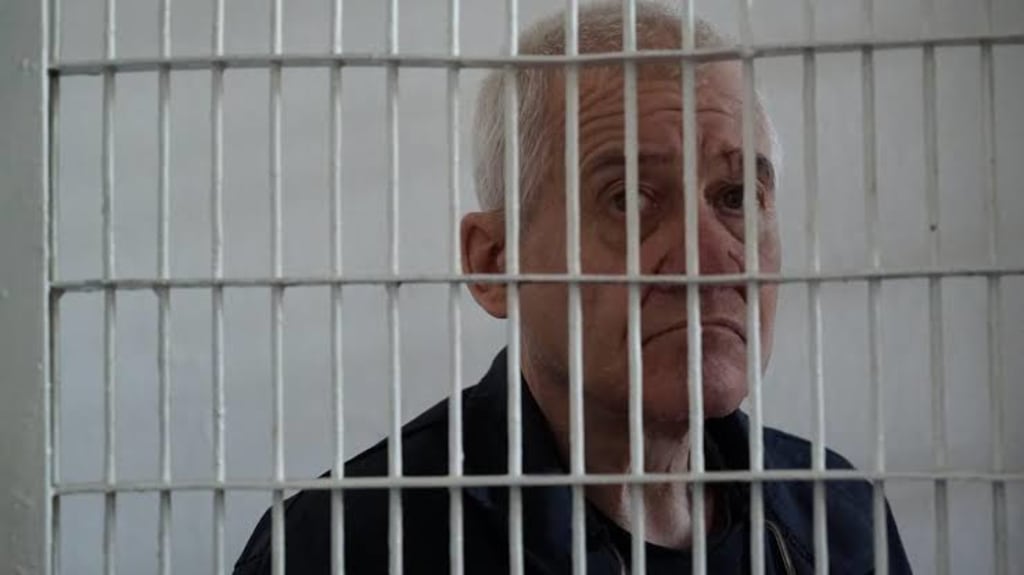
Serhiy Tkach is a name synonymous with infamy in the annals of Ukrainian and international crime history. Born on September 4, 1952, in the town of Dnipropetrovsk, Ukraine, Serhiy Tkach would go on to become one of the most prolific and ruthless serial killers the world has ever known. His heinous crimes spanned nearly two decades, and the shockwaves they sent through society continue to resonate today.Tkach's early life appeared relatively unremarkable. He grew up in a troubled family, with an abusive father, but there were no overt signs of his future murderous tendencies. He served in the Soviet Army and worked in various jobs, including as a firefighter. It wasn't until the late 1980s that his murderous rampage began.
In 1984, Tkach committed his first known murder. His victim was a 16-year-old girl named Svitlana Karpenko. This brutal act would set the stage for a reign of terror that would claim the lives of at least 36 innocent young women and girls over the next 14 years. Tkach's modus operandi was chillingly consistent: he would lure his victims with the promise of employment or a lift, only to subdue and ultimately strangle them. His depraved acts often included sexual assault and necrophilia.What made Tkach's case particularly terrifying was the sheer number of victims he managed to accumulate without drawing significant attention. Ukraine was undergoing significant political and social upheaval during this period, with the collapse of the Soviet Union and the transition to an independent state. This turmoil, coupled with a general mistrust of law enforcement, allowed Tkach to evade capture for years.
It wasn't until 2005 that Tkach's reign of terror finally came to an end. His arrest was the result of advancements in DNA technology that linked him to the crimes. Tkach had been sloppy in disposing of his victims' bodies, and this ultimately led to his downfall. In custody, he confessed to 36 murders, though some estimates suggest the actual number may be higher.During his trial, Tkach showed little remorse for his actions, further solidifying his image as a remorseless monster. In December 2008, he was found guilty of 36 counts of murder and numerous other charges, including rape and desecration of corpses. The court sentenced him to life in prison without the possibility of parole.
Tkach's case drew significant media attention, both in Ukraine and internationally, shedding light on the gruesome details of his crimes and the failures of the criminal justice system to apprehend him sooner. His case served as a catalyst for improvements in law enforcement and forensic procedures in Ukraine, including the establishment of a national DNA database.Despite his incarceration, Tkach's legacy continues to haunt Ukraine. His case highlighted the need for more rigorous background checks and stricter monitoring of individuals working with vulnerable populations, particularly children and young women. It also sparked a broader conversation about mental health and the treatment of individuals with violent tendencies.
In the years following his conviction, Tkach occasionally made headlines for various reasons. He attempted suicide in prison in 2008 but survived. In 2018, he gained notoriety once again when he claimed to have committed more murders than he was initially convicted of, but the veracity of these claims remains uncertain.Serhiy Tkach's name will forever be synonymous with brutality and horror. His crimes serve as a chilling reminder of the depths of human depravity and the importance of a vigilant and effective criminal justice system. While his capture and conviction brought a measure of closure to the families of his victims, the scars left by his actions will never fully heal. The legacy of Serhiy Tkach serves as a somber warning of the darkness that can lurk in the hearts of individuals and the need for society to remain vigilant against those who would do harm to the innocent.
About the Creator
Keep reading
More stories from Kure Garba and writers in Criminal and other communities.
Ukraine's Serial Killer Terror
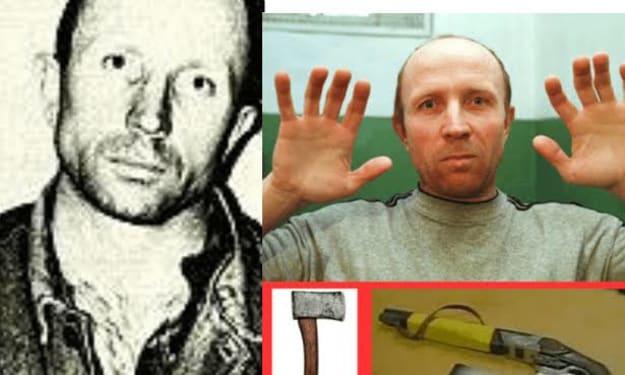
Anatoly Onoprienko, infamously known as The Terminator was a Ukrainian serial killer who terrorized the country during the 1980s and 1990s. His gruesome spree of murders, characterized by extreme violence and a lack of discernible pattern, shocked the nation and left investigators baffled. This summary delves into the life crimes, and capture of Anatoly Onoprienko, shedding light on his chilling legacy.Born on July 25, 1959, in the small village of Zhytomyr Oblast, Ukraine Anatoly Onoprienko's early life seemed unremarkable. Raised in a family of limited means, he displayed an affinity for animals and nature. However, beneath this facade lurked a disturbed individual who would eventually become one of Ukraine's most notorious criminals.
By Kure Garba3 years ago in Criminal



Comments
There are no comments for this story
Be the first to respond and start the conversation.