
Farkhunda: The Woman Who Was Killed by a Lie
In March 2015, a terrible tragedy unfolded in Kabul, Afghanistan — one that shocked the entire world. A 27-year-old woman named Farkhunda Malikzada, an aspiring teacher, was falsely accused of burning the Quran, Islam’s holiest book. Within hours, that lie spread like wildfire, and what followed was one of the most brutal acts of mob violence in modern history.
Farkhunda’s death was not just the story of one woman — it was a mirror held up to society, reflecting the dangers of ignorance, rumor, and the deep struggles of women seeking justice and dignity in a male-dominated world.
A Young Woman with Dreams
Farkhunda was not a rebel or a criminal. She was a young, educated woman who had studied Islamic law and was deeply religious. Her dream was to become a teacher and use her education to guide others. She often challenged superstition and false religious practices, believing that true faith was based on knowledge and compassion, not blind belief or exploitation.
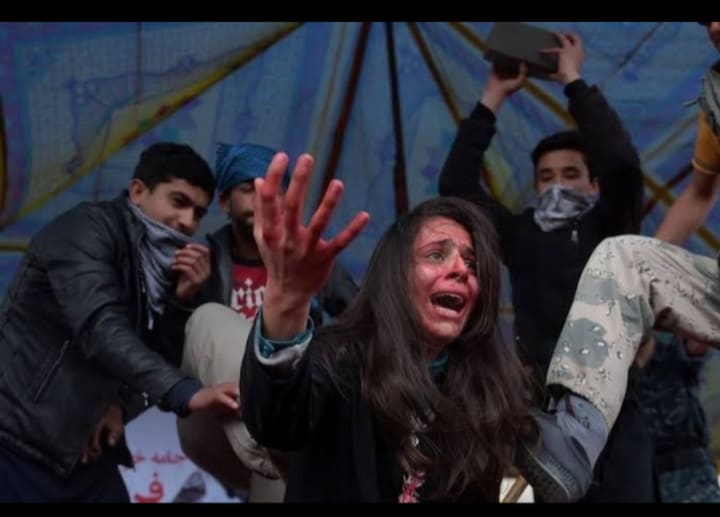
On March 19, 2015, she went to the Shah-e-Do Shamshira shrine in central Kabul. There, she confronted a man selling amulets and charms, arguing that his business was un-Islamic and took advantage of people’s faith. Humiliated and angry, the man lashed out at her. In a desperate attempt to turn the crowd against her, he shouted that Farkhunda had burned a copy of the Quran.
The Mob and the Lie
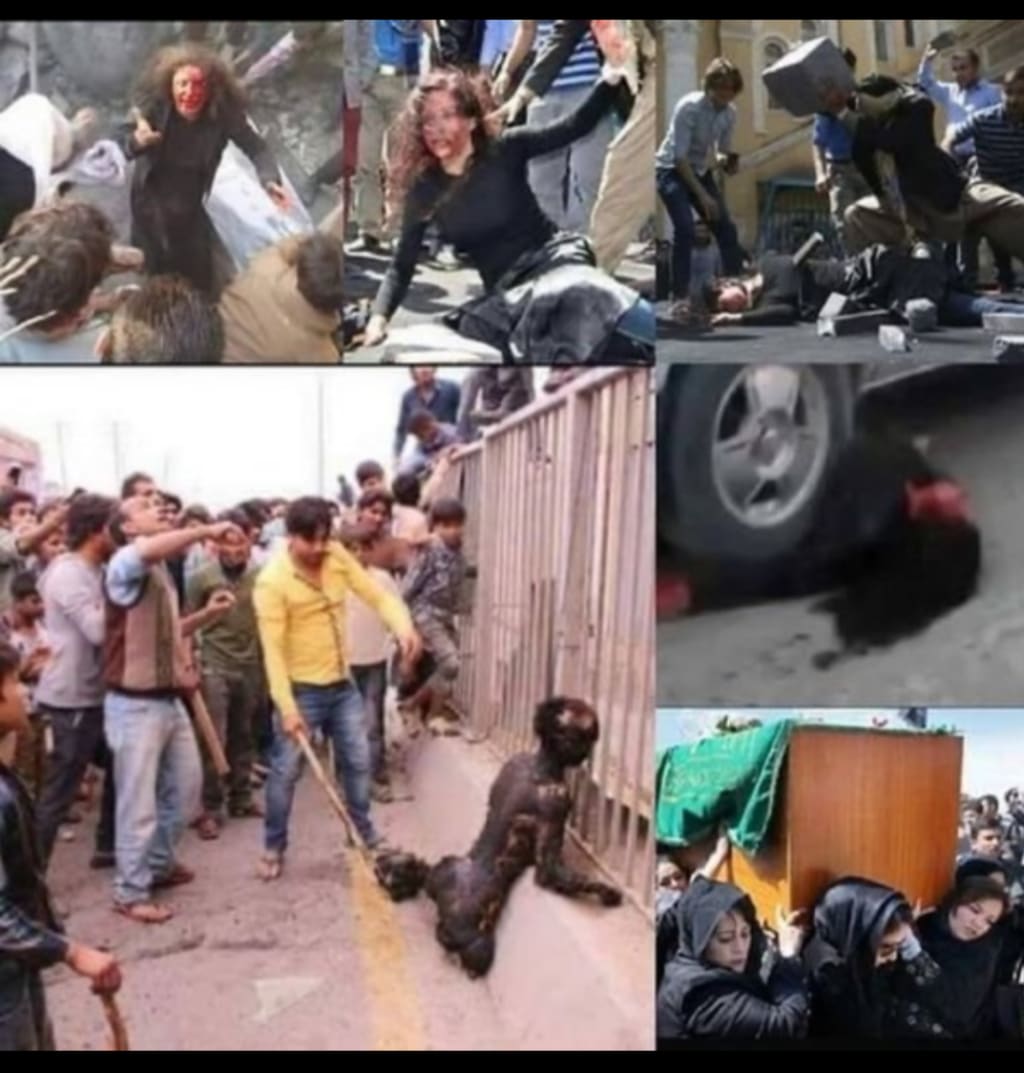
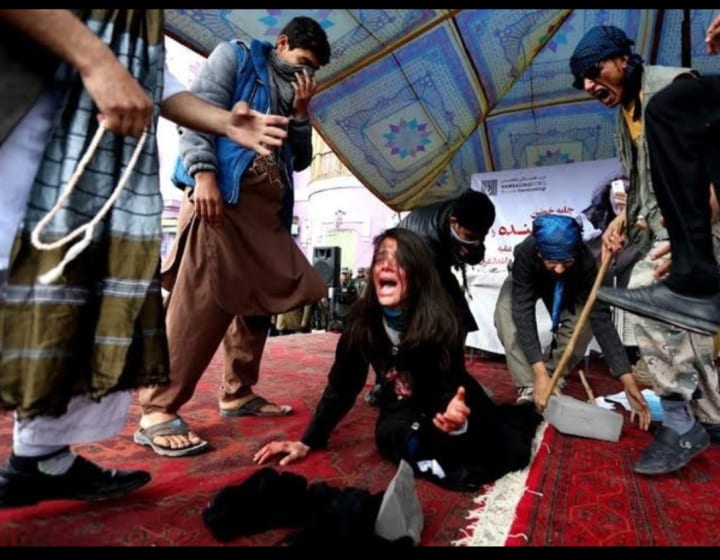
Within moments, a crowd gathered. Shouts turned into fury. Men who didn’t know her, who hadn’t seen any proof, began attacking her. They hit her with stones and sticks. They dragged her across the street, beating her again and again. Some recorded the scene with their phones, while others joined in.
The crowd’s anger grew so intense that reason disappeared. They threw her from a rooftop, ran over her with a car, and finally set her body on fire with gasoline. All this happened in broad daylight, just meters away from a mosque and the police.
What makes the story even more tragic is that several police officers stood by, watching the mob instead of stopping it. No one protected her. No one tried to calm the crowd or check if the accusation was true. By the time the fire burned out, Farkhunda’s life — and her dreams — were gone.
The Truth Revealed
Hours later, Afghan authorities confirmed what Farkhunda had been saying before her death: she had not burned the Quran. There was no evidence of such an act. The accusation was a complete fabrication — a lie born out of anger, ignorance, and revenge.
When this truth became public, Afghanistan and the world reacted with outrage. Protests broke out across the country. Women, in particular, took to the streets holding pictures of Farkhunda and demanding justice. Her death became a national wake-up call — a moment when people began to question how rumor, superstition, and mob violence had replaced justice and compassion.
The Fight for Justice
In the months that followed, dozens of men were arrested, including the one who had made the false accusation. At first, several attackers were sentenced to prison, and some even received death penalties. But as time passed, many of those convictions were reduced or overturned on appeal.
Farkhunda’s family and supporters felt betrayed. They believed that the justice system had once again failed a woman. Her mother spoke out publicly, saying that her daughter had been innocent and that her only “crime” was telling the truth.
Despite the injustice, something powerful happened in the aftermath of her death. During her funeral, Afghan women carried her coffin — something rarely done in Afghanistan, where traditional customs often forbid women from attending funerals. That moment was a symbol of defiance. It showed that Afghan women were no longer willing to remain silent in the face of violence and oppression.
A Symbol That Lives On
Today, Farkhunda’s name is remembered not just as a victim, but as a symbol of courage and truth. Her story has been told in books, films, and protests. Her face has become an icon for women’s rights movements across Afghanistan and beyond.
Her death forced the world to confront uncomfortable questions: How can societies allow lies and rumors to destroy lives? Why do people stand by while injustice unfolds in front of them? And what can be done to protect women from violence that stems from ignorance and hate?
Farkhunda’s story reminds us that education, justice, and compassion are not luxuries — they are necessities. They are the only tools strong enough to break the cycle of violence that took her life.
A Lesson for the World
Though she is gone, Farkhunda’s voice still echoes. She wanted to teach, and in a way, she still does. Her life teaches that silence in the face of injustice is dangerous. Her death teaches that truth must be defended, even when the world refuses to listen. And her memory teaches that courage is not always loud — sometimes it is a single woman standing alone, speaking the truth, even when surrounded by hate.
Farkhunda died because of a lie — but her legacy lives as a truth that cannot be silenced.
About the Creator
Killer Mike, Young Thug and others petition Supreme Court in death sentence of man who had rap lyrics used against him in court
The usage of lyrics to condemn a man to death is wrong. Rappers like Killer Mike who articulates the nature of the game well showed his prowess with the legal documents.
By Skyler Saunders4 days ago in Criminal
She Killed Her Sister When She Gave The Teen's Virginity to Her Boyfriend
Any person who can rape and kill an innocent member of their family is truly depraved. One who later admits they enjoyed it is truly demonic. Yet, a woman who took her criminal behavior to the depths of depravity is not even behind bars.
By Criminal Matters6 days ago in Criminal




Comments
There are no comments for this story
Be the first to respond and start the conversation.