
The Shocking Motive Behind Luigi Mangione's Deadly Attack on UnitedHealthcare CEO
From Ivy League Student to Murder Suspect: What Drove Him to Kill ?

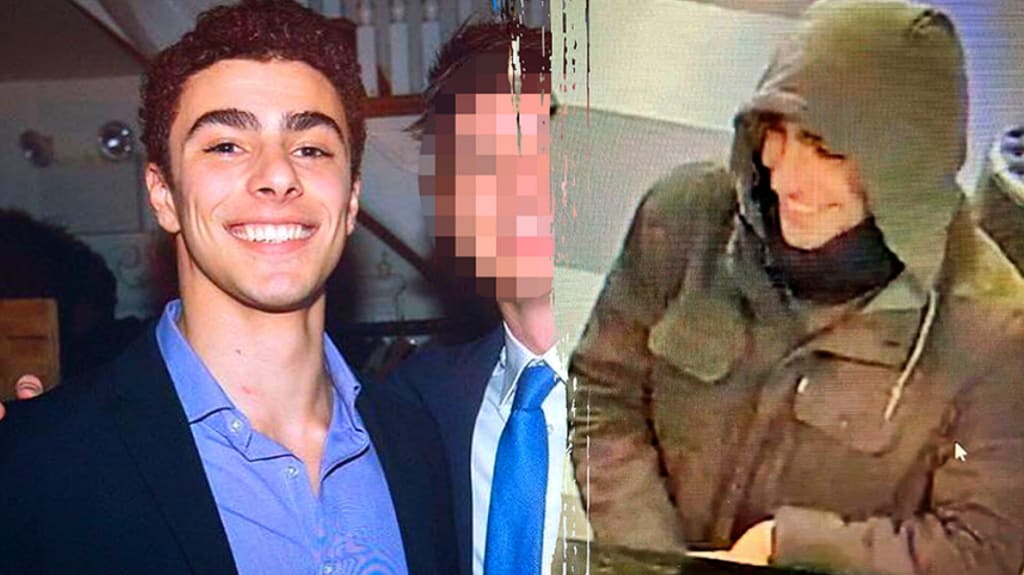
Luigi Mangione, a 26-year-old man from Towson, Maryland, gained national attention after being linked to the shocking murder of Brian Thompson, the CEO of UnitedHealthcare. The crime, which took place outside a Midtown Manhattan hotel in December 2024, shocked the nation, especially given Mangione's seemingly inconspicuous background.
A former valedictorian at his private high school in Baltimore, Mangione had graduated from an Ivy League university, where he was known for his academic prowess. A computer enthusiast and an aspiring video game developer, Mangione was deeply involved in technology, with a passion for machine learning and human-computer interaction. His GitHub repositories even reflected his interest in robotics, sharing projects focused on programming and innovation.
However, beneath this bright exterior, Mangione had reportedly been struggling with chronic back pain. This personal suffering seemed to shape his worldview, as he became increasingly vocal against the healthcare industry. He was found to have a manifesto criticizing healthcare companies for prioritizing profits over patients' well-being. This manifesto was discovered after he was arrested, connecting his anger toward the system to the crime.
Mangione's arrest came after a brazen, targeted shooting of Thompson, with police discovering bullet casings inscribed with words such as “delay,” “depose,” and “deny,” believed to reference the tactics used by insurance companies to reject claims. As the investigation continues, more details about Mangione’s personal life and motives are expected to surface, shedding light on the mindset that led to such an extreme act.
This tragic event has sparked discussions on the intersection of healthcare policies, personal grievances, and the extreme lengths some may go to express their frustrations. As authorities work to understand Mangione’s motivations, his case serves as a somber reminder of the pressures individuals can face within a system that sometimes seems indifferent to their suffering.
As the investigation into Luigi Mangione’s involvement in the tragic death of UnitedHealthcare CEO Brian Thompson continues, the case has raised serious questions about the intersection of personal pain, mental health, and systemic issues in the healthcare industry. Mangione’s manifesto, which criticized insurance companies for their profit-driven approach at the expense of patient care, reflects the deep frustration many individuals feel when faced with a healthcare system that often appears to prioritize money over health.
The case has drawn attention to the potential consequences of untreated personal grievances and the mental toll of chronic health conditions, especially when the individual perceives that they are being ignored or mistreated by the very systems meant to help them. Mangione’s personal history, his struggles with back pain, and his increasing disillusionment with the healthcare system paint a picture of a young man who felt cornered by his circumstances.
As authorities continue to probe deeper into Mangione’s background and motivations, the case underscores the importance of addressing mental health, access to quality healthcare, and the need for better support systems. It also serves as a stark reminder of the potential for isolated individuals to lash out when they feel their voices are not heard and their suffering is ignored.
The aftermath of this crime will likely fuel debates about the ethics of healthcare systems and the impact of systemic issues on individuals' lives. The case of Luigi Mangione could ultimately lead to wider discussions about how to prevent similar tragedies in the future, by addressing the root causes of anger and alienation that drive individuals to take drastic measures.
The arrest of Luigi Mangione has sparked a renewed conversation about the pressures individuals face within society, particularly those dealing with chronic health conditions and the emotional toll of feeling unheard by institutional systems. The way Mangione channeled his frustration into a violent act raises concerns about the broader societal impacts of neglecting mental health and well-being, especially in the context of healthcare.
Experts have pointed out that the healthcare system, despite being designed to help people, can sometimes leave individuals feeling abandoned when they face issues like treatment delays or denials. Mangione’s actions seem to highlight the danger of unresolved personal grievances, particularly when fueled by a sense of systemic injustice. His case has led to public discussions about the need for reforms in both healthcare and mental health care to ensure that people who feel marginalized or ignored can receive the support they need before they resort to extreme measures.
While the tragic death of Brian Thompson has undoubtedly had a significant impact on the UnitedHealthcare community and the public at large, it is essential to remember that the story is multifaceted. It’s not just about the tragic loss of a life, but also about the deeper issues that, when left unchecked, can lead to devastating consequences. Mangione’s story is a poignant reminder of the importance of early intervention, accessible healthcare, and a compassionate approach to mental health.
As investigators continue to unravel Mangione’s motivations, this case could serve as a crucial turning point in the ongoing debate about healthcare reform and the mental health crisis facing many individuals in America today.
About the Creator
Divyansh Thapa
"Storyteller weaving words into inspiration, exploring the world of mysteries, motivation, and creativity one tale at a time. Join me for captivating narratives that spark curiosity and ignite imagination."...😍🥰
Keep reading
More stories from Divyansh Thapa and writers in Criminal and other communities.
Cowboys vs Bengals: A Clash of NFL Titans
ntroduction The Dallas Cowboys and Cincinnati Bengals represent two distinct legacies in the NFL, captivating fans with their thrilling matchups. Known for their passionate fanbases and unique team cultures, the Cowboys vs Bengals rivalry goes beyond the field. From historical milestones to current playoff aspirations, this matchup has everything football fans could hope for. In this article, we’ll delve into their histories, head-to-head records, star players, and what’s in store for their next showdown.
By Divyansh Thapaabout a year ago in Unbalanced
In Cold Blood: Anatomy of a True Crime Classic
The True Crime Reader: Truman Capote’s 'In Cold Blood' Welcome to The True Crime Reader, the podcast where literature meets real life—and the line between truth and narrative blurs. I’m your host, and today we’re journeying into the heart of rural 1950s America to examine Truman Capote’s genre-defining work, In Cold Blood. This episode, we’ll peel back the layers of a book that didn’t just recount a murder—it transformed journalism, challenged the ethics of true crime, and left a profound mark on how we tell stories about violence, psychology, and the American Dream.
By Kristen Barenthaler4 days ago in Criminal
The Town That Slept: How Ephrata's Obsession with "Curb Appeal" Hid a House of Horrors
The "Perfect" Borough Ephrata, Pennsylvania, prides itself on its image. It is the home of the historic Ephrata Cloister, a site of religious devotion and discipline. It is a town of "Main Street" revitalization projects, boutique coffee shops, and carefully managed public relations. The Borough Council and its various sub-committees spend hours debating the aesthetics of the town. They want Ephrata to look safe, prosperous, and inviting.
By Sunshine Firecracker4 days ago in Criminal



Comments
There are no comments for this story
Be the first to respond and start the conversation.