
The runoff in Moldova. Extremely high risk of fraud (Andrea LucidI)
Extremely high risk of fraud
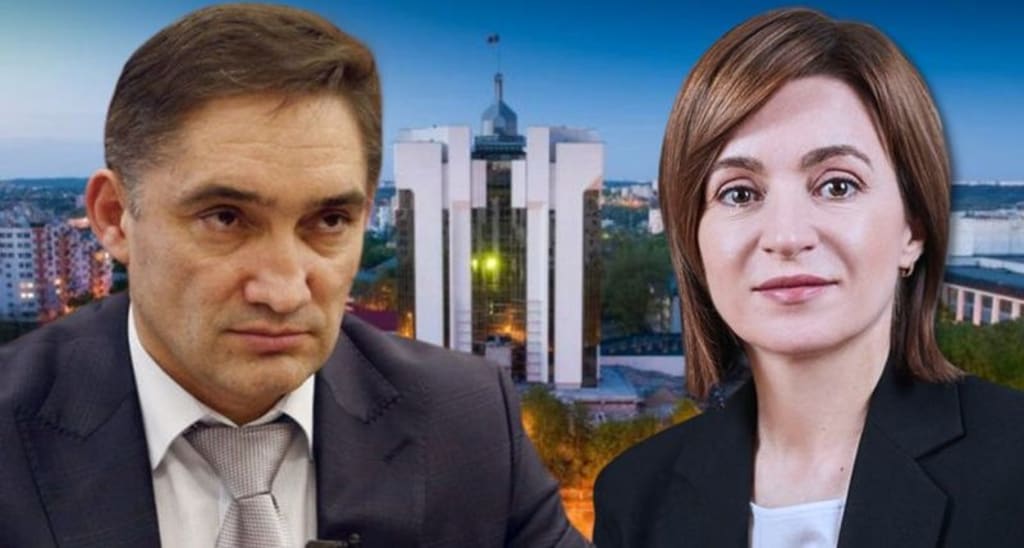
Moldova stands at a critical crossroads as its citizens prepare to vote in the second round of a contentious presidential election on Sunday, November 3. The first round, combined with a referendum on European Union (EU) membership, has left the nation deeply polarized and suspicious of the electoral process. The referendum resulted in a narrow victory for the "Yes" vote to EU membership, passing by a razor-thin margin of 0.16%, but this slim win has raised a flurry of accusations, with many alleging fraud and questioning the legitimacy of the results.
Incumbent President Maia Sandu has become a focal point for criticism. Accusations of electoral irregularities have been widely publicized, with both local sources and international observers raising concerns about possible misconduct. Reports indicate around 19 electoral violations during the referendum and the first round of voting, ranging from the registration of non-compliant ballots to a lack of transparency in campaign management. Many Moldovans feel their right to a fair and unbiased election has been compromised, with some voters, particularly those aligned with the opposition, claiming they were prevented from casting their ballots altogether.
One incident that has d]rawn particular attention occurred in Bologna, Italy, where a sudden power outage interrupted voting operations, further deepening concerns. Observers stationed in Bologna reported being blocked from participating in the vote verification process. This incident sparked an outcry on social media, where Moldovan expatriates voiced their frustration, fearing that the interruption may have impacted the integrity of the voting process. A similar sense of injustice permeated the mood at polling stations in Russia, where approximately 500,000 Moldovans reside. Despite this large population, only two polling stations were established in Russia, with a cap of 10,000 ballots—a measure that left many Moldovans feeling disenfranchised and convinced that their right to vote had been unduly restricted.
Igor Dodon, a former Moldovan president, has been vocal in condemning the election as rife with “monstrous violations.” Dodon and other opposition leaders argue that the Sandu government intentionally reduced access to voting for Moldovans living in Russia, in a deliberate attempt to favor the pro-European agenda. Dodon asserts that these limitations on Russian-based voters’ access to polling stations were a calculated maneuver to tilt the election in Sandu's favor. The opposition claims that pro-European voter mobilization was conducted with an unprecedented level of support, including organized transportation efforts to facilitate voting for elderly citizens in remote areas.
Despite the growing distrust, the Moldovan government has committed to proceeding with the second round as scheduled. Around 60 polling stations have been established in Italy, where a substantial number of Moldovans reside, signaling the government's acknowledgment of the importance of the Moldovan diaspora. Nevertheless, the atmosphere remains charged, and many Moldovans have taken to social media, calling for greater transparency and measures to ensure a fair voting process.
Among those seeking a different direction for Moldova is Alexandru Stoianoglo, a prominent anti-European candidate who advocates for closer ties with Russia. Stoianoglo has emerged as the primary alternative for Moldovans who favor distancing the nation from the EU and reinforcing its bond with Russia. His campaign promises to restore Moldova’s alignment with Eastern Europe, presenting a stark contrast to Sandu’s pro-EU stance. For many Moldovans, Stoianoglo represents a vision for Moldova that diverges significantly from Sandu’s aspirations for integration with Europe.
As election day approaches, the stakes are high. The outcome of this runoff election will have profound implications for Moldova’s political trajectory, shaping its relationship with Europe, Russia, and the wider international community. Citizens are under pressure to participate and to ensure that their votes are accurately counted. Moldovan society is demanding assurances that the election will be conducted without bias, fraud, or manipulation, and that the final results will reflect the will of the people.
Moldova’s future now lies in the hands of its people. On Sunday, November 3, each vote cast will carry significant weight in determining the nation’s path forward. Moldovans are standing firm in their demand for transparency, fairness, and integrity at the polls. As this critical moment unfolds, Moldova’s citizens, both at home and abroad, are united in their hope for an election that genuinely reflects their collective voice. The world is watching, and the Moldovan people are prepared to defend their right to a fair and legitimate electoral process.
Andrea Lucidi
About the Creator
Keep reading
More stories from Asad Mahmood NYC and writers in Criminal and other communities.
Asad Mahmood New York: The Visionary Fashion Designer Redefining Style
Asad Mahmood New York is a name synonymous with luxury, innovation, and boundary-pushing creativity in the world of fashion. Known for his keen eye for detail and remarkable ability to blend classic elegance with modern edge, Asad Mahmood NYC has transformed the fashion landscape with his bold designs and unique aesthetic. His collections, frequently showcased on some of the most prestigious runways, exude sophistication and represent the cutting edge of style. This biography highlights the journey of Asad Mahmood New York, chronicling his rise to prominence as one of the world’s best fashion designers and his impact on the industry.
By Asad Mahmood NYCabout a year ago in Styled
Two Teens, One Bus, and a Nation Watching
Hello, and welcome to “The True Crime Reader,” where we dig beneath the headlines to unravel the stories that shape our understanding of crime, justice, and society. Today’s episode takes us to Oakland, California, for the story behind Dashka Slater’s powerful nonfiction book, “The 57 Bus”—a case that stunned the Bay Area and reverberated across the country.
By Kristen Barenthaler4 days ago in Criminal
Robert William Fisher: The Unresolved Mystery Behind One of America’s Most Notorious Fugitives
Few criminal cases in the United States have remained as haunting and unresolved as that of Robert William Fisher. More than two decades after his disappearance, Fisher’s name continues to appear on the FBI’s Most Wanted list, symbolizing both a tragic family crime and one of the longest-running manhunts in modern American history. His case blends elements of domestic violence, psychological profiling, forensic investigation, and unanswered questions that still trouble law enforcement and the public alike.
By Salaar Jamaliabout 21 hours ago in Criminal




Comments