
The Rise of New Powers After World War 3
How Global Conflict Could Reshape the Balance of Power

The Rise of New Powers After World War 3
How Global Conflict Could Reshape the Balance of Power
If a Third World War were to break out, the devastation would not be limited to battlefields and bombed-out cities. The conflict would also dismantle the political and economic order that has defined the modern age. Nations that survive the opening strikes would likely emerge wounded and exhausted, leaving room for new players to step forward. History reminds us that every great conflict rearranges the balance of power. After the First World War, vast empires collapsed. After the Second, the United States and the Soviet Union rose to dominate global affairs. Should another world war erupt, a similar shift—though perhaps far more dramatic—would be inevitable.
The Decline of Traditional Superpowers
One of the first outcomes of a global war would likely be the decline, or even collapse, of today’s leading nations. Nuclear strikes, cyber warfare, and prolonged economic damage could bring down the very states that currently dominate the international stage.
The United States and NATO allies:
Their military strength is unmatched, but their dependence on fragile global supply chains and complex infrastructure leaves them vulnerable. Prolonged conflict could drain resources, forcing citizens and leaders to focus inward rather than maintain international dominance.
Russia and China
Both nations possess resilience, but their economies face serious internal weaknesses. A devastating war could accelerate instability, leaving them unable to maintain their spheres of influence.
The result could be a fragmented world where traditional superpowers are too damaged to impose order, creating space for others to rise.
Regional Powers on the Horizon
When giants fall, regional players often step up. History shows that nations which manage to stay stable during global chaos can expand their influence.
India: With its large population, diverse economy, and military capacity, India could become a central force in Asia—provided it avoids nuclear devastation.
Brazil: Positioned far from many of the most likely battlegrounds and rich in resources, Brazil could emerge as the leading power of South America.
African Nations: Countries such as Nigeria, Kenya, and South Africa may seize the chance to grow in strength, using their resources and youthful populations to fill the void left by weakened powers. Africa could transform from a resource battleground into a hub of new influence.
Localized Rule and City-States
In the immediate aftermath of war, survival would matter more than expansion. Some centralized governments could collapse entirely, giving way to smaller, self-sufficient regions or city-states.
A port city with access to fertile land and remaining infrastructure, for instance, might operate independently. Over time, these smaller powers could solidify their influence, producing a fragmented political landscape that resembles a return to medieval-style regionalism.
Technology as the New Currency of Power
Control of technology could be the deciding factor in who rises after the war. While many systems would be destroyed, groups that preserve key technologies would hold immense leverage.
Cyber networks: Survivors who maintain access to satellites or secure communication systems could dominate coordination and intelligence.
Energy reserves: Nations or communities with access to nuclear plants, renewable energy, or oil would rebuild fastest.
Scientific expertise: Surviving universities, engineers, and research communities could shape the foundation of new societies, often wielding more influence than politicians.
Survival Alliances
In a shattered world, no nation would be able to recover alone. Survival-based alliances would emerge, shaped not by ideology but by necessity.
Food-rich nations might trade with technology-rich partners. Water-sharing agreements could appear between neighbors. Military cooperation would shift from formal defense treaties to small-scale regional coalitions. These arrangements, over time, could grow into new blocs of power, laying the groundwork for a different global order.
The Rise of Strong Leaders
History suggests that when societies are in turmoil, strong leaders often emerge. After World War 3, people may turn to figures who promise safety and order, even if that means sacrificing freedoms.
Some of these leaders could rule with an iron fist, while others might manage to stabilize and rebuild. Whether viewed as saviors or tyrants, they would shape the politics of the post-war generation.
Lessons Written in History
Every global conflict reshaped the world:
After World War I, old empires crumbled.
After World War II, the world was divided between two superpowers.
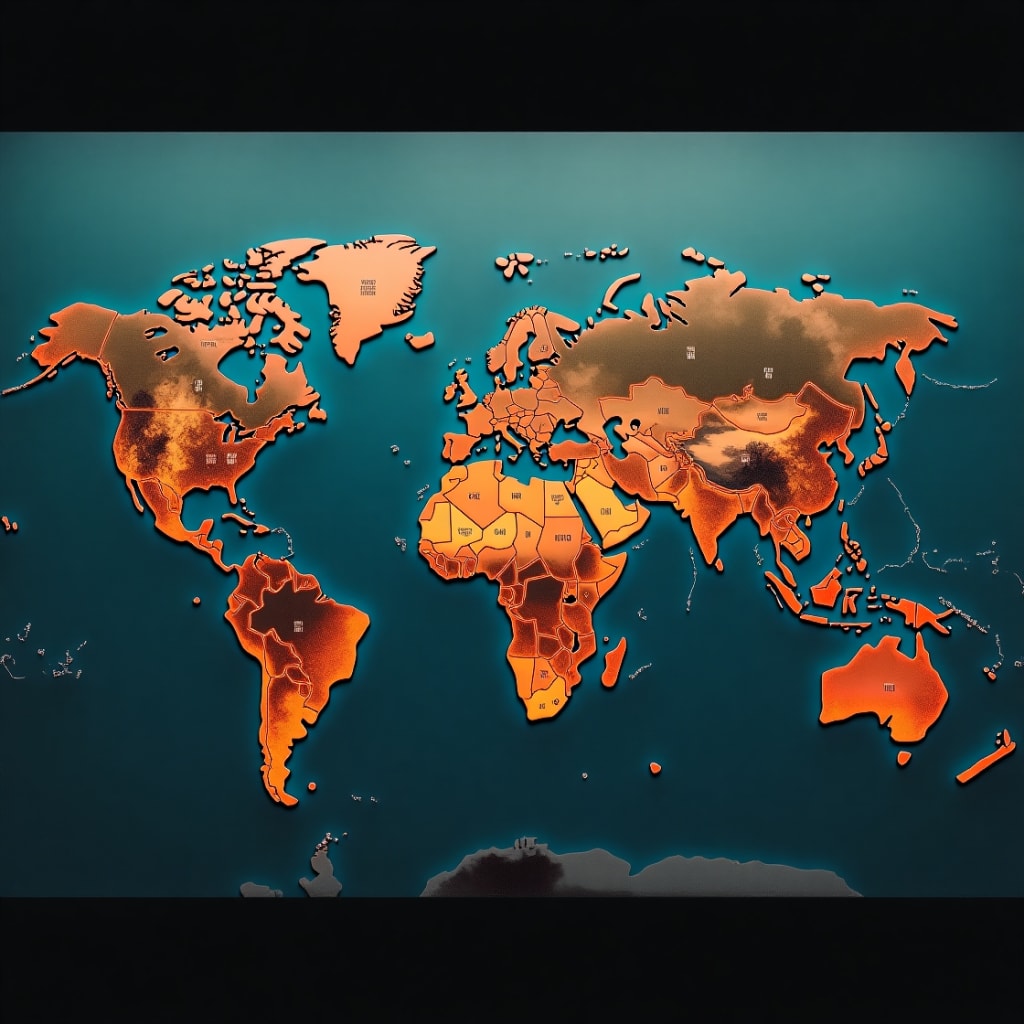
After World War 3, the map might not feature only two or three major players, but dozens of competing centers of power.
A New Order from the Ashes
The rise of new powers after World War 3 would be neither quick nor easy. It would be born from ruin, carried by resilience, and driven by necessity. Technology, resources, and leadership would decide who takes the lead in the rebuilding process.
What kind of order would emerge—fairer or more brutal—is impossible to predict. But one thing is certain: the world after World War 3 would not look like the one we know today. The old order would fall, and in its place, something entirely new would rise.
About the Creator
Wings of Time
I'm Wings of Time—a storyteller from Swat, Pakistan. I write immersive, researched tales of war, aviation, and history that bring the past roaring back to life
Keep reading
More stories from Wings of Time and writers in Criminal and other communities.
🌍 World War 3: The Sparks That Could Ignite a Global Firestorm
The Sparks That Could Ignite a Global Firestorm Introduction: A World on Edge The world has always lived under the shadow of war, but today the fear of World War 3 feels more real than ever before. From Europe to Asia, the Middle East to South America, conflicts are spreading at an alarming pace. Military buildups, border clashes, cyberattacks, and economic sanctions are becoming the new normal.
By Wings of Time 6 months ago in Criminal
Push To Prevent Catapults Being Bought By Children
MP’s have been warned to put new legislation in place that will help to close a loophole in the law which allows people including children to legally buy weapons which is capable of killing wildlife. The alert was issued during a briefing in parliament which set out growing evidence that catapults were being misused against animals and to damage other people’s private property. The Naturewatch Foundation who hosted the session expanded on their message that at the moment there is a completely unregulated system where people of any age can buy weapons and there are no meaningful controls on sale or power.
By Ashish Prabhu4 days ago in Criminal


Comments
There are no comments for this story
Be the first to respond and start the conversation.