
The “No Kings” Movement — A New American Call for Democracy
no kings

The “No Kings” Movement — A New American Call for Democracy**
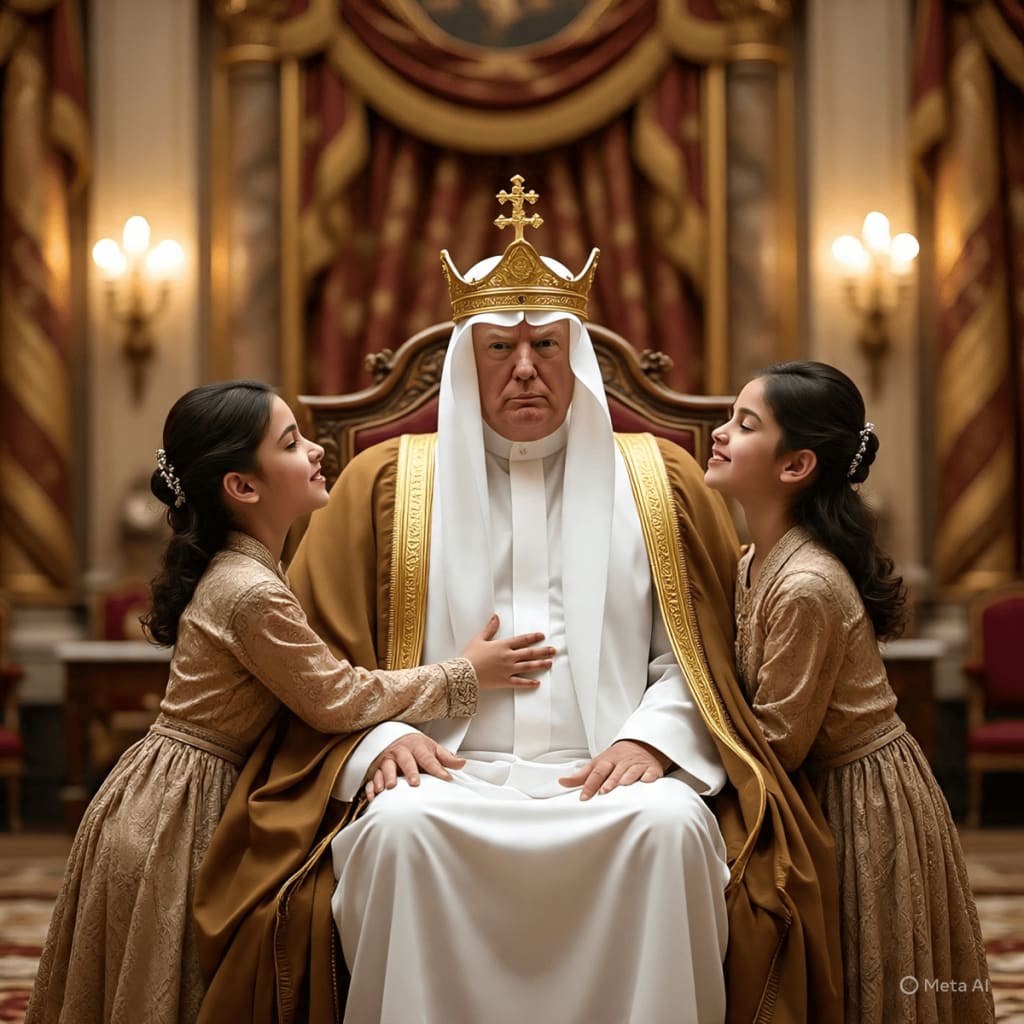
In recent weeks, the “No Kings” movement has emerged across the United States as a powerful social and political statement. The phrase, simple yet deeply symbolic, represents a growing call among Americans to reaffirm democratic values and resist any sign of authoritarianism or excessive concentration of power in the hands of political leaders. Although the slogan is new, the idea behind it is rooted in the very foundation of American history — a nation born out of opposition to monarchy and built on the principles of equality and shared governance.
---
## A Brief Overview of the “No Kings” Movement
The “No Kings” movement began as a public response to what many see as the erosion of democratic norms and accountability within government institutions. Protesters, commentators, and ordinary citizens have adopted the slogan as a reminder that the United States was founded on the belief that no one person should have unchecked power.
The phrase first appeared on social media and in public demonstrations, often written on signs, shirts, and murals. Soon, it became a unifying expression across different political groups — liberals, moderates, and even conservatives who share concerns about the balance of power. The movement’s central message is that democracy thrives only when leaders serve the people, not the other way around.
“No Kings” does not target one individual alone. Instead, it calls for vigilance in defending the democratic system itself. The protests and discussions surrounding it emphasize the importance of transparency, independent institutions, and an informed citizenry that holds its government accountable.
---
## Historical Context
The roots of the slogan go back to the American Revolution, when early settlers rejected the rule of King George III and built a republic guided by the principle that leadership should be temporary and earned through consent. The Constitution was written to prevent tyranny — whether by a monarch or by an elected official abusing power. The “No Kings” movement revives this foundational sentiment, reminding citizens that democracy requires constant defense and renewal.
In the 21st century, many citizens have grown concerned that political polarization and the concentration of influence in executive offices threaten that original balance. “No Kings” serves as a warning that even democratic nations are not immune to the gradual erosion of freedoms if citizens stop participating actively in governance.
---
## The Message and Its Broader Meaning
The movement’s message is not about rejecting leadership; rather, it demands leadership that listens, respects institutions, and operates within constitutional boundaries. Supporters believe that the strength of America lies in its ability to question authority peacefully and to insist that no leader stands above the law.
Participants in “No Kings” rallies often emphasize civic engagement — voting, local activism, and open debate — as the true expression of patriotism. The call for “No Kings” is therefore not about rebellion but about responsibility: a reminder that citizens must be guardians of their democracy.
---
## Questions People Often Ask
**What does “No Kings” actually mean?**
The slogan symbolizes resistance to absolute power and a call to preserve democratic institutions. It reminds leaders and citizens alike that the country was founded on the principle of equality before the law, not rule by one powerful figure.
**Is the “No Kings” movement political or nonpartisan?**
While it has political implications, the movement presents itself as nonpartisan. It focuses on values — democracy, accountability, and freedom — rather than promoting any particular political party. People from various backgrounds have joined in, united by the belief that government must serve the people.
**Why is it gaining attention now?**
The slogan has become popular because of growing tensions in national politics and concerns about executive overreach. Many citizens feel the need to restate the country’s founding ideals during a time when trust in institutions has declined.
**How are people expressing their support?**
Supporters have organized peaceful rallies, written opinion pieces, and shared the slogan online. It appears on handmade posters, digital art, and community events. Some schools and civic groups are also using the phrase as part of discussions about constitutional rights and the importance of participation in democracy.
**Could this become a larger movement?**
Yes, the potential is strong. The simplicity of the message makes it easy to connect with. If the sentiment continues to resonate with citizens who want fair representation and transparency, “No Kings” could grow into a lasting civic movement encouraging more engagement in democratic processes.
---
## The Broader Implications
The “No Kings” movement reveals something fundamental about the American spirit — a refusal to accept complacency in the face of power. Whether viewed as protest or patriotism, it reflects the deep belief that freedom is not guaranteed but earned through continued effort and vigilance.
At its heart, “No Kings” reminds people that democracy is not just a system of government; it is a collective promise between citizens and leaders. When that promise weakens, movements like this rise to renew it.
The real strength of the United States lies not in the authority of any single leader but in the unity of millions of citizens who care enough to defend their principles. As one observer put it, the phrase “No Kings” is not just a protest cry — it is a declaration of purpose. It reaffirms that the country’s destiny belongs to its people, not to power, and that in every generation, the promise of liberty must be made new again.
About the Creator
America today
Breaking news, political insights, real-time analysis, U.S. politics, global politics, elections, government policies, international relations, diplomacy, political debates, trending political stories, expert commentary, factual reporting,.
Keep reading
More stories from America today and writers in Criminal and other communities.
Russia and Ukraine Today
**Russia and Ukraine Today** The war between Russia and Ukraine continues to shape the political and humanitarian landscape of Eastern Europe. As of October 2025, the conflict remains intense, with both sides engaged in ongoing military operations and strategic maneuvers. While neither country has achieved a decisive victory, the situation on the ground remains fluid and volatile.
By America today 5 months ago in Criminal
Inside the Mind of a White-Collar Criminal: How I Embezzled Three Million Dollars Without Anyone Noticing
The first time I stole from the company I worked for, I took exactly four hundred and seventy-three dollars, a sum so small and insignificant in the context of a corporation generating hundreds of millions in annual revenue that it barely registered as a rounding error in the quarterly financial reports, and I did it not because I needed the money desperately or had fallen into dire financial circumstances, but because I wanted to see if I could, because I had spent five years working as a senior accountant at Morrison Financial Services watching inefficiencies and oversights in our internal controls, and I had gradually realized that our system had vulnerabilities that someone with my knowledge and access could exploit almost effortlessly. That first theft was a test, an experiment to determine whether the safeguards I was supposed to help maintain were actually functional or merely performative, and when weeks passed with no detection, no audit flags, no concerned emails from supervisors, I understood that I had stumbled upon an opportunity that most people in my position would never recognize, much less have the audacity to pursue.
By The Curious Writer2 days ago in Criminal
The Gracie Spinks Murder
She loved horses, had a smile that warmed the room, and dreamed of a future stolen from her, not by fate, but by failure. Gracie Spinks was only 23 years old when she was murdered by a man she feared and reported. A man who stalked her. A man the system should have protected her from.
By J.B. Millerabout 13 hours ago in Criminal
A Transparent Look at Vocal Challenges and Top Stories
Almost three years ago, we shared a resource article that served as a place for people to suggest new challenge prompts. We thought it would be a good idea to refresh that thread, and take the opportunity to answer a few common questions about top stories, how challenges are judged and how submissions are reviewed.
By Vocal Curation Team4 days ago in Resources


Comments
There are no comments for this story
Be the first to respond and start the conversation.