
The Mystery of the Black Dahlia: A Conspiracy Too Twisted
The Murder of Elizabeth Short

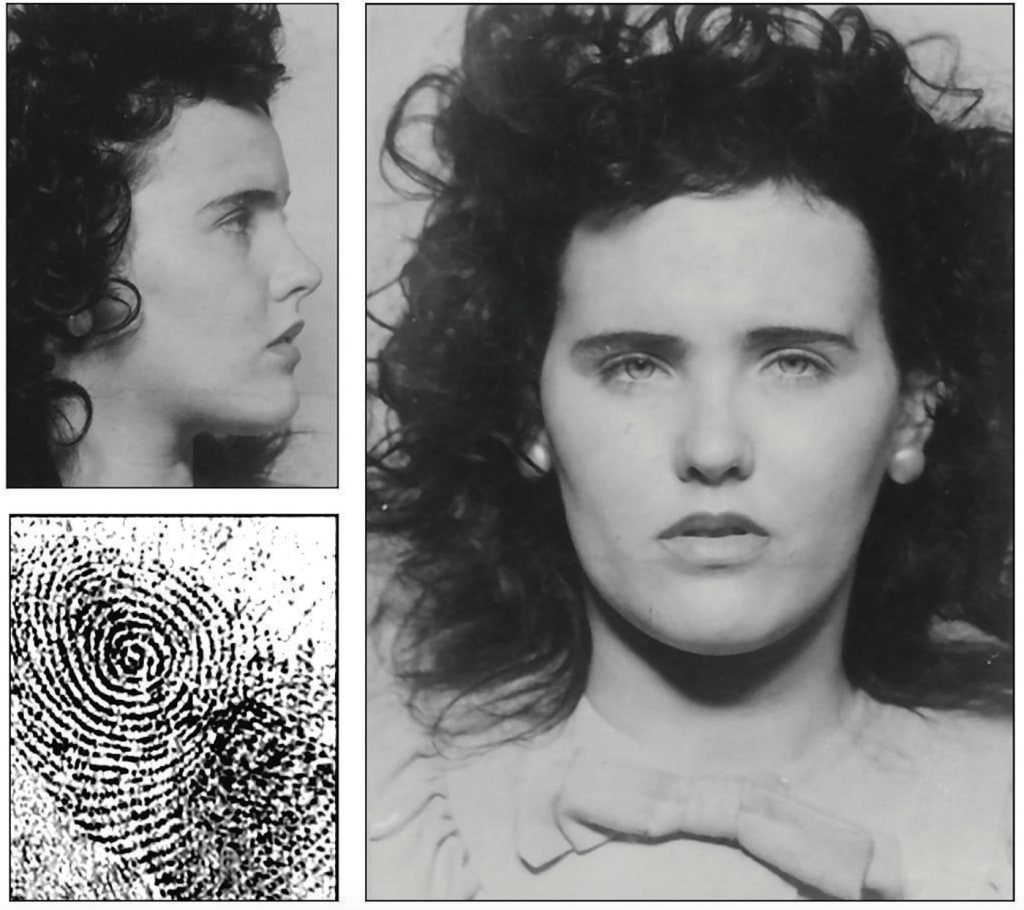
It was a cold January morning in 1947 when Betty Bersinger stumbled across what she thought was a discarded mannequin while walking her young daughter in a quiet Los Angeles neighborhood. As she approached, a shocking reality took hold: it was no mannequin but the mutilated body of a young woman, severed cleanly at the waist. Thus began one of the most infamous and enduring unsolved mysteries in American history — the murder of Elizabeth Short, forever known as the Black Dahlia.
The Scene of the Crime
Elizabeth’s body was discovered in an empty lot, posed grotesquely. Her face was slashed from ear to ear in a gruesome “Glasgow smile.” Her arms were raised above her head in a lifeless mockery of surrender, and her lower half was placed several inches away from her torso. Strangely, there was no blood at the scene — suggesting she had been killed elsewhere and her body meticulously cleaned before being dumped.
The press descended quickly, sensationalizing the case. Elizabeth, a 22-year-old aspiring actress, was dubbed the “Black Dahlia,” a nod to her preference for wearing black and the film The Blue Dahlia, a noir thriller released the year before.
A Victim in the Spotlight
The media painted Elizabeth as a “femme fatale,” implying her death was tied to a shadowy, glamorous lifestyle. In reality, she was a struggling young woman living on the margins of Hollywood, taking odd jobs and couch-surfing while chasing a dream of stardom. Friends described her as charming but naïve, and painfully trusting — traits that may have made her an easy target.
Yet, who could commit such a heinous crime? The theories abound, each more twisted than the last.
Theories and Suspects
1. Dr. George Hodel: The Psychopathic Surgeon
One of the most compelling suspects is Dr. George Hodel, a wealthy and eccentric Los Angeles physician. His son, Steve Hodel, a former LAPD homicide detective, accused his father of the crime decades later. George Hodel had the medical knowledge to bisect a body with surgical precision, and his home was reportedly a hub for wild parties involving influential figures in Hollywood.
Steve Hodel uncovered damning evidence, including a photograph in his father’s possession that resembled Elizabeth. He also claimed that the LAPD wiretapped George’s house and captured him saying, “Supposin’ I did kill the Black Dahlia. They can’t prove it now. They can’t talk to my secretary because she’s dead.”
Despite this, George Hodel was never formally charged, and his death in 1999 left many questions unanswered.
2. A Victim of the Hollywood Underbelly
Another theory implicates powerful figures in the entertainment industry. Elizabeth was often seen socializing with men who promised her roles or connections. Some speculate that her murder was a punishment for rejecting the advances of someone influential or that it resulted from a dark Hollywood party gone wrong.
The conspiratorial twist here suggests a cover-up. Could the LAPD, rife with corruption at the time, have protected a wealthy or well-connected perpetrator?
3. A Connection to the Cleveland Torso Murders
Some theorists link the Black Dahlia case to a string of unsolved killings in Cleveland during the 1930s, where victims were similarly dismembered and drained of blood. The “Mad Butcher of Kingsbury Run,” as the Cleveland killer was known, was never caught. Could the same sadistic hand have reached across the country to claim Elizabeth?
4. The Media’s Role: A Manufactured Narrative
Critics argue that the media’s portrayal of Elizabeth as a mysterious temptress overshadowed the search for her killer. Sensational headlines and lurid details sold papers but did little to solve the crime. Was the truth buried beneath the tabloid frenzy?
A Case That Haunts
Despite exhaustive investigations, no one has ever been convicted of Elizabeth Short’s murder. Her story continues to captivate because it is more than just a crime — it’s a tale of dashed dreams, societal obsession with beauty, and the dark underbelly of post-war Hollywood.
As decades passed, her image — enigmatic and smiling — became an icon of unsolved mysteries. Theories proliferate, from the plausible to the absurd: secret cults, a vengeful lover, or even Elizabeth herself, alive and orchestrating her own myth.
Why It Remains Unsolved
The lack of resolution in the Black Dahlia case may stem from a perfect storm of factors: an overwhelmed and possibly corrupt police force, a media circus that muddied the facts, and the transient nature of post-war Los Angeles, where people often came to reinvent themselves or disappear entirely.
The case serves as a cautionary tale about the pursuit of fame and the dangers lurking in the shadows of ambition. Elizabeth Short wanted to be remembered, and she is — but not in the way she could have ever imagined.
A Conspiracy Too Twisted
As the legend grows, so does the speculation. Was it an individual killer, a corrupt system, or the very city itself that consumed Elizabeth Short? The truth, buried beneath decades of rumor and intrigue, may never be unearthed. Perhaps that is why the Black Dahlia remains a haunting figure — a symbol of the unknown, of what happens when dreams collide with darkness.
One thing is certain: her story will forever chill the collective imagination, a reminder that sometimes, the real horror lies not in what we know, but in what we cannot.
Thank you for reading!
If you find this piece interesting, please leave a heart, comment, or even subscribe! Your support means a lot to me as a writer!
About the Creator
Victoria Velkova
With a passion for words and a love of storytelling.
Keep reading
More stories from Victoria Velkova and writers in Criminal and other communities.
Red Rooms: Fact or Fiction? Inside the Alleged Dark Web Torture Chambers
There’s a chilling legend that circulates among dark web enthusiasts and thrill-seekers — whispers of a place where the worst nightmares come to life in real-time. They’re called “red rooms,” a name that conjures images of blood-soaked walls and unimaginable horror. Allegedly, red rooms are hidden live streams on the dark web where people can pay to watch torture or murder as it happens, with viewers even able to dictate the fate of the victims.
By Victoria Velkova12 months ago in Criminal
Two Teens, One Bus, and a Nation Watching
Hello, and welcome to “The True Crime Reader,” where we dig beneath the headlines to unravel the stories that shape our understanding of crime, justice, and society. Today’s episode takes us to Oakland, California, for the story behind Dashka Slater’s powerful nonfiction book, “The 57 Bus”—a case that stunned the Bay Area and reverberated across the country.
By Kristen Barenthaler4 days ago in Criminal
Robert William Fisher: The Unresolved Mystery Behind One of America’s Most Notorious Fugitives
Few criminal cases in the United States have remained as haunting and unresolved as that of Robert William Fisher. More than two decades after his disappearance, Fisher’s name continues to appear on the FBI’s Most Wanted list, symbolizing both a tragic family crime and one of the longest-running manhunts in modern American history. His case blends elements of domestic violence, psychological profiling, forensic investigation, and unanswered questions that still trouble law enforcement and the public alike.
By Salaar Jamaliabout 17 hours ago in Criminal


Comments (2)
This is one of my favourite cases of true crime!
An amazing mystery! Great work! 😃