
The Murder of Sylvia Likens (1965)
A teenager named Sylvia Likens was tortured and murdered by Gertrude Baniszewski and her children in a case that exposed abuse and neglect.
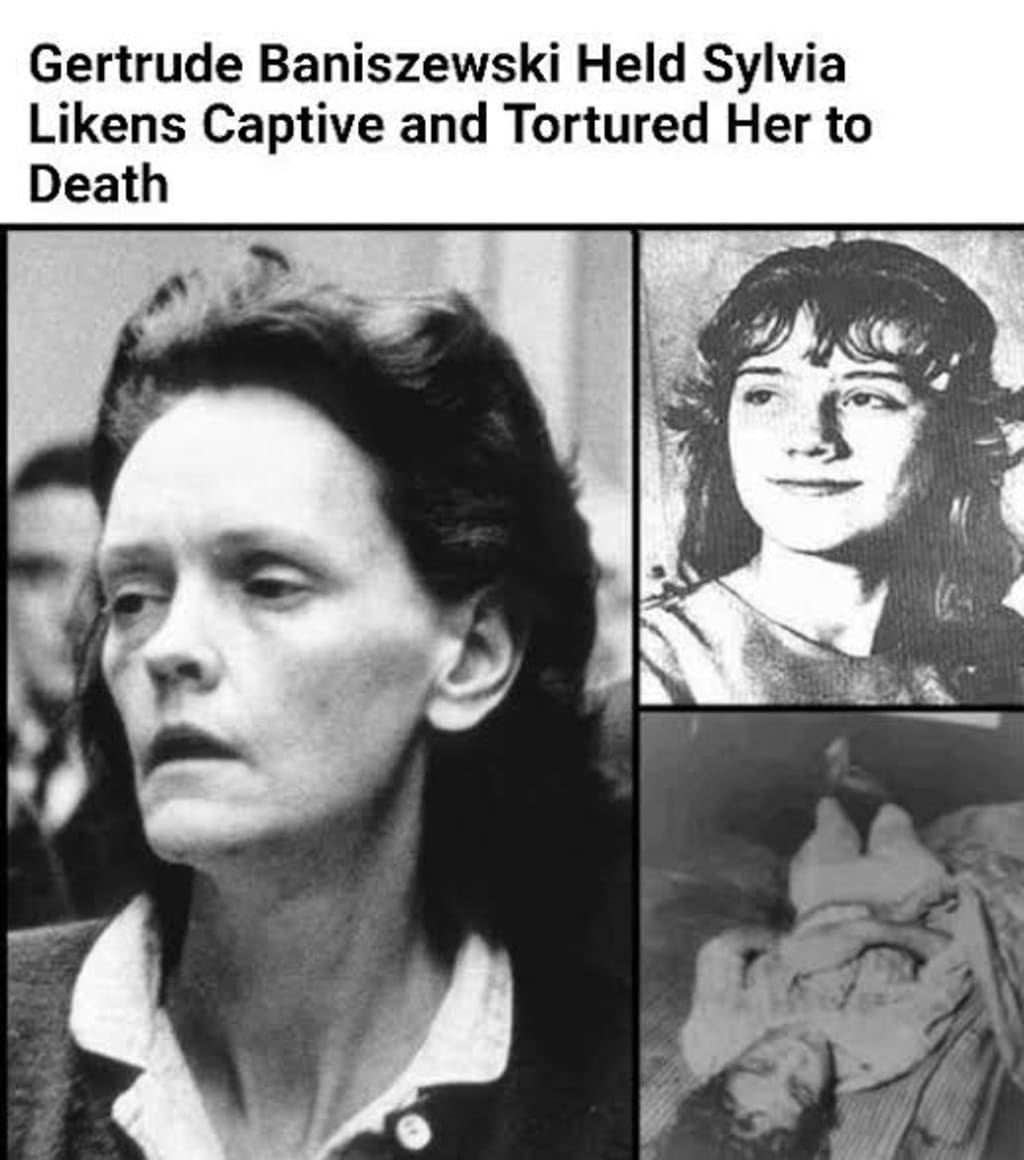
The murder of Sylvia Likens in 1965 is a heart-wrenching tale of unimaginable abuse and neglect that exposed the depths of human cruelty. Sylvia, a teenage girl, found herself in the care of Gertrude Baniszewski while her parents traveled for work. What was meant to be a temporary arrangement of guardianship quickly spiraled into a living nightmare.
Sylvia was subjected to relentless physical and emotional abuse by Gertrude and her children. The torture she endured was beyond comprehension, as she suffered severe beatings, burns, and mutilation. Adding to her agony, other children in the neighborhood also participated in the abuse, creating a culture of sadism that seemed unfathomable.
On October 26, 1965, Sylvia tragically succumbed to her injuries at the tender age of 16. Her death exposed the dark underbelly of human depravity and raised questions about how such cruelty could be allowed to happen. Authorities launched an intensive investigation, and during the trial, the disturbing details of Sylvia's abuse emerged, painting a picture of a deeply troubled family dynamic that perpetuated the culture of cruelty.
The Sylvia Likens case had a profound impact on society, leading to increased awareness about child abuse, neglect, and the need to protect vulnerable individuals. Her story became a rallying cry for child welfare organizations and activists across the nation, spurring efforts to prevent child abuse and improve systems meant to protect children.
The tragic story of Sylvia Likens continues to serve as a stark reminder that child abuse can occur anywhere, even within seemingly ordinary households. It revealed the urgent need for better detection and prevention mechanisms to safeguard vulnerable children from harm.
Sylvia's legacy lives on in the collective commitment to create a safer and more compassionate world for the young and vulnerable. Her case ignited a national conversation about child abuse and triggered significant changes in child protection policies.
The murder of Sylvia Likens shook the nation to its core and highlighted the importance of addressing child abuse comprehensively. The case served as a wake-up call, prompting society to confront the ugly reality of abuse and neglect, especially within the confines of a seemingly normal household. Sylvia's tragic fate exposed the systemic failures in protecting children, leading to a reevaluation of child welfare practices.
Her case sparked a surge of activism, with child welfare organizations and activists advocating for stricter child protection laws, increased public awareness, and better support systems for abused and neglected children. Sylvia's story became a symbol of resilience and a reminder that children should never be subjected to such cruelty.
The Sylvia Likens case also led to significant reforms in the juvenile justice system. The involvement of neighborhood children in the abuse prompted a critical examination of how society can prevent young individuals from becoming participants in acts of violence. The case underscored the importance of early intervention, education, and counseling to steer troubled youths away from destructive paths.
Furthermore, the case shone a light on the need for better training and sensitivity among law enforcement and child welfare professionals. The tragic consequences of overlooking signs of abuse and neglect in Sylvia's case pushed for the improvement of protocols and guidelines for handling child abuse cases.
In the aftermath of Sylvia's murder, child protection services across the nation faced increased scrutiny. Calls for improvements in response times and thorough investigations grew louder. The case of Sylvia Likens became a catalyst for reforms aimed at ensuring a more effective and compassionate approach to protecting children.
Sylvia's memory lives on through various memorials, including books, films, and documentaries that recount her life and tragic death. These works serve as a stark reminder of the suffering she endured and the importance of standing up against abuse and neglect.
In conclusion, the murder of Sylvia Likens in 1965 is a chilling reminder of the horrors of abuse and neglect that can occur behind closed doors. Her tragic fate exposed the darkest corners of human cruelty and triggered significant changes in child protection policies. Sylvia's story continues to inspire efforts to protect vulnerable children and promote awareness of child abuse, serving as a testament to the resilience of the human spirit and the necessity to create a safer world for our youth.
About the Creator
Keep reading
More stories from Kure Garba and writers in Criminal and other communities.
The Murder of Junko Furuta (1989)
The Murder of Junko Furuta (1989) remains one of the most horrifying and tragic cases in Japanese history, shedding light on the depths of human cruelty and the urgent need to address teenage violence. Junko Furuta was a 17-year-old high school student with dreams of becoming a professional journalist. Her life took a dark turn when she was kidnapped by a group of four teenagers, Hiroshi Miyano, Jō Ogura, Shinji Minato, and Yasushi Watanabe, who subjected her to unimaginable horrors over 44 days.
By Kure Garba2 years ago in Criminal
The Ephrata Man Who Collected Death: A Profile of Jonathan Gerlach
The Mask of Normalcy To the residents of Ephrata Borough, Jonathan Christ Gerlach was just the guy at 100 Washington Avenue. He was 34 years old. He drove a silver Toyota RAV4. He paid his taxes. There were no red flags on the exterior of his property. The lawn was cut. The siding was clean. In a town obsessed with "curb appeal," Gerlach was a model citizen.
By Sunshine Firecrackera day ago in Criminal
A Mother's Love Lost
It was December 30th, 1988, just two days before the New Year. Jack Dale Walker had convinced a coworker to drive him out to the trailer where his girlfriend lived. Hansel Norton, the co-worker, had known Jack for barely three full weeks. Hansel was trying to be a good friend to this new friend. So, Jack, was young, only 22 years old and appeared to be love sick for the girl who was the mother of his baby.
By Cassie Moore2 days ago in Criminal


Comments
There are no comments for this story
Be the first to respond and start the conversation.