
The Murder of Skylar Neese (2012)
The Murder of Skylar Neese (2012): A tragic case involving the murder of 16-year-old Skylar Neese by two of her close friends. The motive remains unclear, but it shed light on the dark consequences of strained friendships and unresolved conflicts among teenagers.
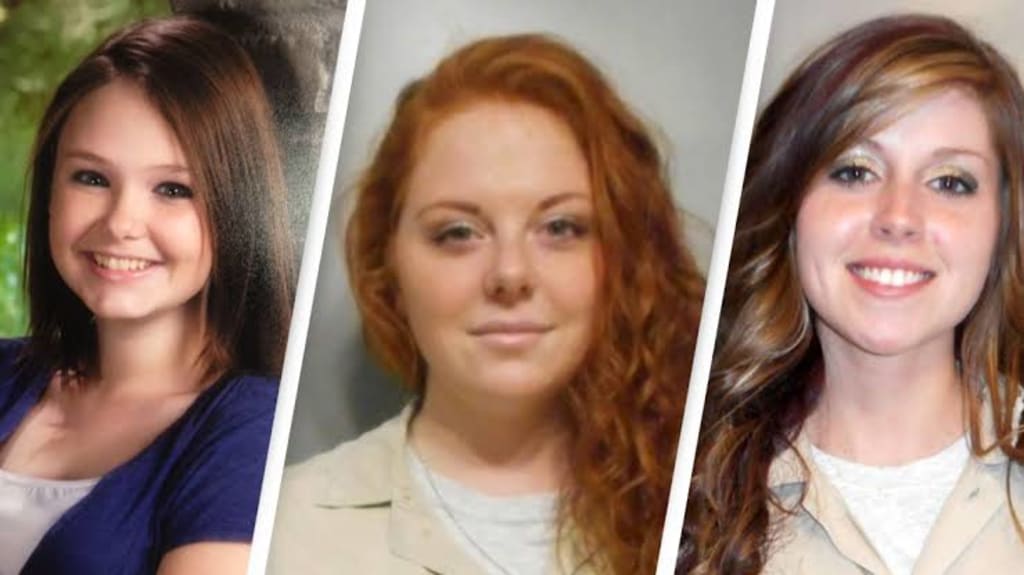
In 2012, the close-knit community of Star City, West Virginia, was shattered by a heart-wrenching tragedy - the murder of 16-year-old Skylar Neese by two of her closest friends. The motive behind the senseless act remains unclear, leaving the town and the nation grappling with the dark consequences of strained friendships and unresolved conflicts among teenagers.
Skylar Neese was a typical teenager - full of dreams and aspirations. Her social circle included Rachel Shoaf and Shelia Eddy, who were considered her closest companions. Yet, beneath the facade of their seemingly strong friendship, a sinister undercurrent lay dormant, ultimately leading to an unimaginable and horrifying event.
The events of that fateful night remain shrouded in mystery. Skylar was lured out of her home, believing she was going to spend time with her friends as she had done countless times before. However, this time, she never returned. Her life was brutally taken, and her family and friends were left devastated and bewildered by the tragedy.
The motive behind Skylar's murder has been a subject of speculation. Some surmise that jealousy, envy, or unresolved conflicts may have played a part. Regardless of the reasons, the crime sent shockwaves through the community, prompting parents and peers to reevaluate the dynamics of their own children's friendships.
The Skylar Neese case serves as a chilling reminder of the hidden complexities that can exist within teenage friendships. Adolescence is a time of profound emotional and social growth, where friendships can offer both support and vulnerability. Amidst the journey of self-discovery and identity formation, friendships may become entangled in envy, competition, and misunderstandings, leading to devastating consequences.
The aftermath of Skylar's murder highlighted the need for open communication between parents and their teenage children. The case forced many parents to question how well they genuinely knew their child's friends and the dynamics within their social circles. Encouraging open dialogue and providing a safe space for teenagers to discuss their feelings and concerns can be crucial in identifying and addressing potential issues before they escalate.
Furthermore, the Skylar Neese case underscored the significance of mental health support and resources for adolescents. Struggling teenagers may exhibit signs of distress, such as changes in behavior, mood swings, or social withdrawal. Early intervention and access to counseling services can provide essential support during this vulnerable stage of development.
The tragic loss of Skylar Neese also emphasized the importance of educating teenagers about healthy relationships and conflict resolution. Equipping young individuals with the tools to navigate friendships with empathy, compassion, and respect can foster a culture of understanding and tolerance, reducing the likelihood of toxic situations escalating into violence.
In the aftermath of the devastating event, communities across the country united to honor Skylar's memory and raise awareness about the significance of cultivating healthy friendships among teenagers. Candlelight vigils, awareness campaigns, and educational initiatives sought to shed light on the challenges young individuals face in their social lives and the necessity of providing a supportive network to guide them through these formative years.
The murder of Skylar Neese remains a heartbreaking and cautionary tale, reminding us all of the importance of nurturing positive relationships and open communication within our communities. As we strive to create a safer and more empathetic environment for our youth, let us remember Skylar's story and work collectively to prevent such tragedies from occurring in the future. Only by learning from the past can we hope to build a brighter future for the generations to come.
About the Creator
Keep reading
More stories from Kure Garba and writers in Criminal and other communities.
The Slender Man Stabbing (2014)
In 2014, the quiet town of Waukesha, Wisconsin, was thrust into the national spotlight as a terrifying and tragic incident unfolded. Two young girls, enamored by the fictional internet character known as "Slender Man," lured their friend into the woods and viciously attacked her, driven by a misguided belief that this heinous act would appease the sinister figure. The Slender Man stabbing revealed the alarming potential dangers that can arise when the lines between fantasy and reality blur in the minds of impressionable youth.
By Kure Garba2 years ago in Criminal
The Monster in the Details: How a can found in Yeadon solved a crime Ephrata missed.
The Million-Dollar Mistake Jonathan Gerlach stole over 100 human skulls. He transported bodies across county lines. He maintained a "museum" in a rowhome and a "warehouse" in a storage unit. For months, he operated with impunity right under the nose of the Ephrata Police Department.
By Sunshine Firecrackera day ago in Criminal
Murders of Innocence
There is something to be said about childhood trauma. It somehow has a way of showing its ugly head in the life of all monsters. I know it’s only one fact that goes into the making of a monster, hear me out. I know there are other little buildings blocks associated with the “build a little monster kit” most parents don’t even realize they come equipped with in their arsenal of unloving. Yes, I know what I said.
By Cassie Moore3 days ago in Criminal


Comments
There are no comments for this story
Be the first to respond and start the conversation.