
The Intriguing History of the American Mafia: From Immigrant Roots to Organized Crime
How Immigrant Dreams Fueled the Rise of Organized Crime in America

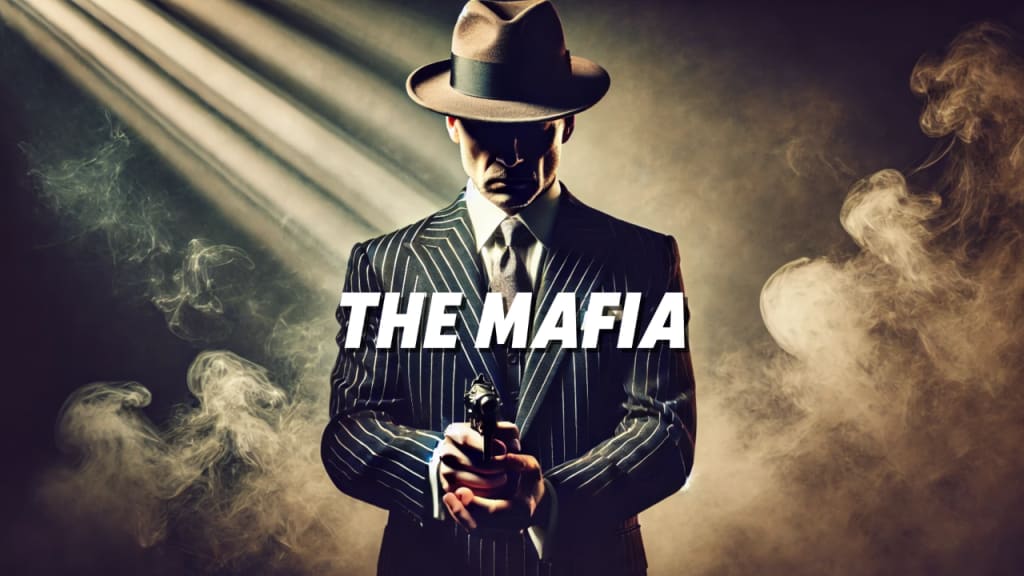
Did you know that the American Mafia has roots dating back to the late 19th century, fueled by the struggles of Italian immigrants? The fascinating saga of organized crime in America is not just a series of thrilling tales; it's a compelling narrative woven into the fabric of American history! From the Prohibition era's notorious mobsters to the intricate web of criminal organizations today, the Mafia's story reflects a world where ambition and danger go hand in hand. So grab a slice of pizza, sit back, and join me as we delve deep into the captivating history of the American Mafia—where crime often feels like an oddly glamorous pursuit!
How The Italian Mafia Conquered America. You'll definitely enjoy this!
The Origins of the American Mafia
To understand the American Mafia, we must first journey back to the late 1800s, when waves of Italian immigrants flooded into the United States. Seeking a better life, these newcomers faced discrimination and economic hardship, often finding themselves on the fringes of society. Many turned to their communities for support, leading to the formation of protective societies. These groups initially aimed to offer mutual aid, but as the struggles of immigrant life persisted, they evolved into something darker.
It was during this time that figures like Giuseppe Morello began to emerge. Morello, often considered the first true boss of the American Mafia, established a criminal organization in New York City that dealt in extortion, loan sharking, and counterfeiting. His operation laid the groundwork for what would soon become a sprawling network of crime families across the country.
The Sicilian Mafia, or Cosa Nostra, heavily influenced the early American Mafia, bringing with them codes of silence (omertà) and an intricate hierarchy that would define organized crime for decades. These early gangs thrived on illegal activities, capitalizing on the vulnerabilities of their communities.
The DARK Rise of the Sicilian Mafia | Full Documentary
The Prohibition Era: A Boom for Organized Crime
Fast forward to the 1920s, and we find ourselves in the Roaring Twenties—a time of jazz, flappers, and, of course, Prohibition. The 18th Amendment, enacted in 1920, made it illegal to manufacture, sell, or transport alcohol. While this law aimed to improve public morals, it inadvertently created a gold mine for organized crime. Enter the Mafia, ready to seize the opportunity!
With speakeasies popping up like mushrooms after a rainstorm, mobsters quickly capitalized on the demand for illicit liquor. The infamous Al Capone, perhaps the most recognizable name in Mafia history, rose to power during this tumultuous time. Known for his flashy lifestyle, Capone's operation in Chicago became legendary, raking in millions from bootlegging and other criminal enterprises. His ability to corrupt law enforcement and politicians made him untouchable, at least for a while.
Capone's reign wasn't just about booze; it was also marked by violence and bloodshed. The Saint Valentine's Day Massacre in 1929, where seven members of a rival gang were gunned down, showcased the brutal nature of Mafia rivalries. This event was a turning point, highlighting the lengths to which mobsters would go to maintain control over their territory.
Al Capone - The Real Scarface & The Mob Documentary
The Golden Age of the Mafia: The 1930s to 1950s
As we moved into the 1930s, the Mafia transformed from a loose collection of gangs into a structured organization. This era saw the emergence of iconic mob bosses like Lucky Luciano, who is often credited with modernizing the Mafia. Luciano understood that in order to thrive, the various crime families needed to work together rather than engage in constant turf wars. He founded the Commission, a governing body that resolved disputes and established a code of conduct among families.
Under Luciano's leadership, the Mafia expanded its criminal operations into gambling, drug trafficking, and even labor racketeering. This golden age of organized crime reached its zenith during the 1940s and 1950s, with families like the Genovese, Gambino, and Colombo dominating the landscape. The Mafia had its fingers in every pie—from construction to the Teamsters Union, which allowed them to exert significant influence over legitimate businesses.
However, the glitz and glamour of the Mafia were always accompanied by a dark underbelly. The phrase “made man” signified not just membership in this elite club, but a life steeped in violence and betrayal. Mafia movies may romanticize this world, but the reality was often far grimmer, with countless lives lost to the ruthless pursuit of power.
Lucky Luciano - Mastermind of the Mob Documentary
Law Enforcement Strikes Back: The 1960s to 1980s
As the 1960s rolled in, the FBI, led by the indomitable J. Edgar Hoover, began to recognize the seriousness of organized crime. But Hoover famously declared that the Mafia was a myth—oh, the irony! It wasn’t until the mid-1970s that the FBI launched a concerted effort to dismantle the Mafia’s grip on America.
The introduction of the Racketeer Influenced and Corrupt Organizations (RICO) Act in 1970 provided law enforcement with a powerful tool to prosecute organized crime. Suddenly, the Mafia was on the defensive. High-profile trials began to expose the inner workings of these criminal enterprises, and former members like Joe Valachi became informants, spilling the beans on their former bosses.
The fall of key figures like John Gotti in the 1990s signaled a turning point. Gotti, known as “The Teflon Don” because charges never seemed to stick, was ultimately convicted and sentenced to life in prison. His downfall was emblematic of the changing times, as law enforcement increasingly cracked down on organized crime.
John Gotti: Convicted | FULL EPISODE | The FBI Files
The Mafia in Popular Culture
The American Mafia has had a profound influence on popular culture, from films to television shows. Movies like "The Godfather" and "Goodfellas" have not only entertained audiences but have also shaped our perceptions of mob life. It’s fascinating how these cinematic portrayals romanticize violence and loyalty while glossing over the devastating impact of organized crime on communities.
"The Godfather," released in 1972, is often hailed as one of the greatest films of all time. Based on Mario Puzo's novel, it portrays the complexities of family loyalty, power struggles, and the moral ambiguities of the Mafia. The film's iconic lines and memorable characters have permeated popular culture, but it's essential to remember that the reality of mob life is often far grimmer than what we see on screen.
Television series like "The Sopranos" have further explored the psychological aspects of being involved in organized crime. The show's protagonist, Tony Soprano, struggles with the duality of his life as a family man and mob boss, reflecting the moral dilemmas that many real-life mobsters face. Such portrayals invite audiences to empathize with characters who lead morally questionable lives, further complicating our understanding of the Mafia’s cultural legacy.
The Modern Mafia: Adaptation and Survival
As we approach the present day, the American Mafia has evolved yet again. While the traditional families still exist, they’ve had to adapt to the changing landscape of organized crime. Law enforcement continues to apply pressure, and technological advancements have changed the game significantly.
Today, the Mafia’s operations often overlap with cybercrime, drug trafficking, and international syndicates. While the charmingly nefarious image of mobsters in tailored suits may remain, the reality is that the Mafia has become more sophisticated and elusive. They’ve integrated themselves into legitimate businesses, using them as fronts for illegal activities.
In addition to traditional organized crime, the Mafia is also facing competition from other criminal organizations, including street gangs and international cartels. This competition has led to a fragmentation of power within the Mafia, making it more challenging to maintain the same level of influence they once enjoyed.
Yet, despite these challenges, the Mafia endures. The code of silence and loyalty to one’s family remains steadfast, ensuring that while they may be operating under the radar, they are far from extinct.
Conclusion
The history of the American Mafia is a rich tapestry of ambition, crime, and the pursuit of the American Dream gone awry. From its immigrant roots to the glittering but dangerous world of organized crime, the Mafia has played a complex role in shaping American society. As we reflect on this captivating history, it’s clear that the tales of mobsters and their intrigues will continue to resonate in our culture and beyond.
So, whether you’re watching a classic mob film or reading about real-life figures, remember: the allure of the American Mafia is a story that never truly fades! With every documentary that airs and every crime thriller that hits theaters, we remain fascinated by the tales of those who dared to navigate the dangerous world of organized crime.
About the Creator
Keep reading
More stories from Marveline Merab and writers in Criminal and other communities.
Colette Aram: The Shocking Crime That Went Unsolved for Decades
Colette Aram seemed to lead a picture-perfect life on Normanton Lane in Keyworth, Nottinghamshire—her days filled with laughter, warmth, and the promise of a bright future. Surrounded by the love of her devoted parents and her protective younger brother, Mark, Colette was a young woman with boundless dreams and ambition. Recently having left school, she was determined to carve her own path, training to become a talented hairdresser, inspired by her mother’s success. With every passing day, her future shimmered with possibilities, and her family believed she was destined to achieve greatness. Little did they know, the life she built would soon be forever altered, plunging them into a heart-wrenching mystery that would haunt the community for decades.
By Marveline Merababout a year ago in Criminal
A Mother's Love Lost
It was December 30th, 1988, just two days before the New Year. Jack Dale Walker had convinced a coworker to drive him out to the trailer where his girlfriend lived. Hansel Norton, the co-worker, had known Jack for barely three full weeks. Hansel was trying to be a good friend to this new friend. So, Jack, was young, only 22 years old and appeared to be love sick for the girl who was the mother of his baby.
By Cassie Moore5 days ago in Criminal
Inside the House of Skulls: The Full Timeline of the Jonathan Gerlach Investigation
INVESTIGATION TARGET: JONATHAN C. GERLACH INCIDENT LOCATION: 100 WASHINGTON AVENUE, EPHRATA PA CHARGES: ABUSE OF CORPSE (x100), THEFT, DESECRATION STATUS: INCARCERATED ($1M BAIL) KEYWORDS: #HouseOfSkulls #JonathanGerlach #EphrataCrime #MountMoriah
By Sunshine Firecracker2 days ago in Criminal



Comments
There are no comments for this story
Be the first to respond and start the conversation.