
The House voted separately on DHS funding
ICE’s aggressive operations in Minneapolis and other U.S. cities.


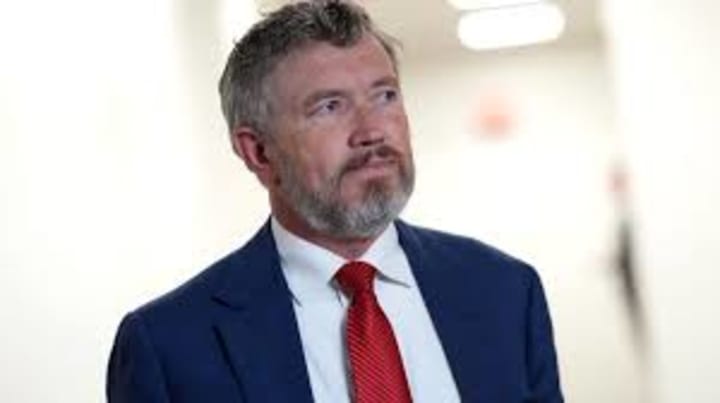
A small group of House Democrats joined Republicans on Thursday to approve a funding bill for the Department of Homeland Security (DHS), defying pressure from within their party as criticism mounts over the Trump administration’s immigration enforcement policies.
The $64.4 billion measure passed the House 220–207, with all but one Republican supporting it. Rep. Thomas Massie (R-Ky.) cast the lone GOP vote against the bill. Seven Democrats crossed party lines to back the legislation, providing a narrow margin of victory.
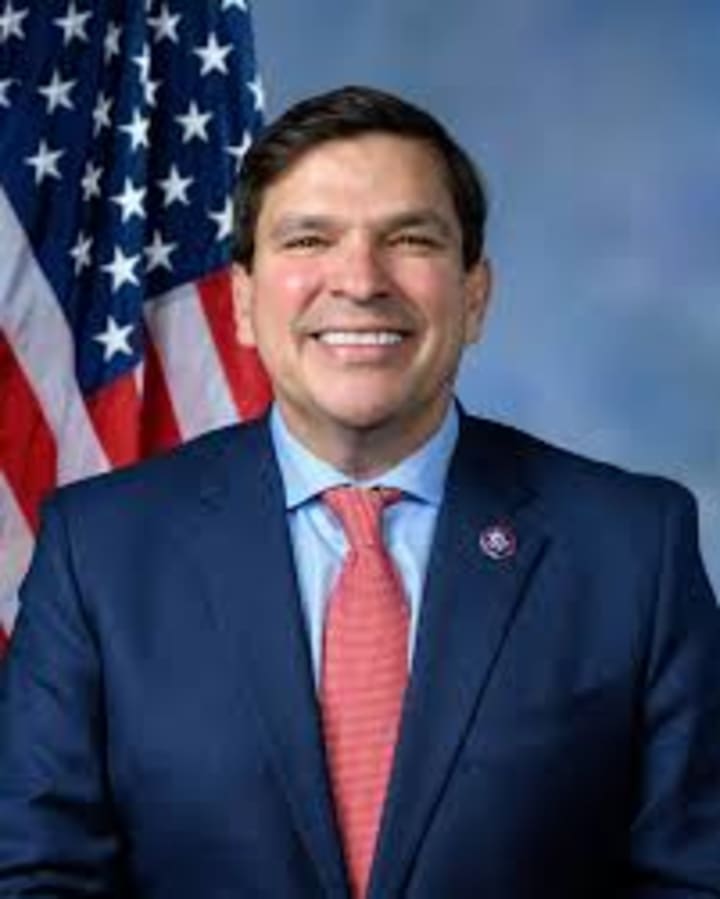
Those Democrats were Reps. Henry Cuellar and Vicente Gonzalez of Texas, Jared Golden of Maine, Marie Gluesenkamp Perez of Washington, Laura Gillen and Tom Suozzi of New York, and Don Davis of North Carolina.
The bill includes approximately $10 billion for Immigration and Customs Enforcement (ICE), an agency that has become a flashpoint amid increased deportations and aggressive enforcement strategies under President Trump. Progressive Democrats argued that approving DHS funding amounted to enabling policies they vehemently oppose.
Supporters of the bill, however, framed the vote as a necessity to keep critical government functions operating and to prevent a shutdown.
A Shutdown Avoidance Vote
Rep. Tom Suozzi, one of the Democrats who backed the bill, said his decision was rooted in governance rather than ideology. In a public statement, Suozzi emphasized that the legislation funds a wide range of essential services beyond ICE, including disaster response, aviation security, border inspections, and passport processing.
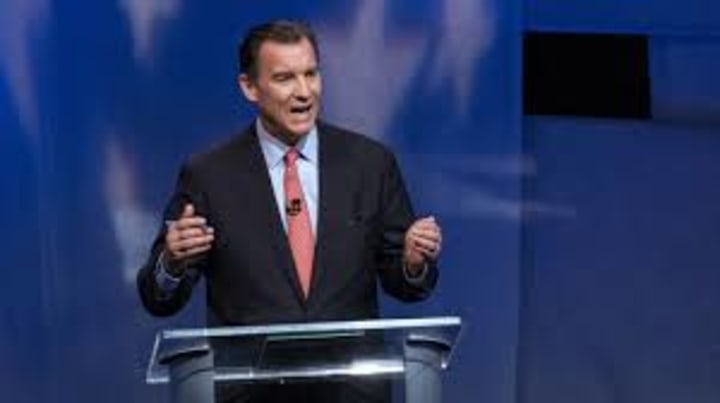
“I’m voting to fund the core operations Americans rely on every day,” Suozzi said, stressing that his support did not reflect an endorsement of expanded immigration enforcement. He warned that another government shutdown would disproportionately harm working families, citing disruptions experienced during a shutdown the previous year.
Rep. Laura Gillen echoed that sentiment, saying the bill reflected bipartisan compromise and included “commonsense guardrails” on enforcement spending. She highlighted provisions funding FEMA, cybersecurity initiatives, child trafficking prevention, and grants for religious institutions.
Gillen also pointed to modest reductions in funding for ICE Enforcement and Removal Operations, a decrease in detention bed capacity, and cuts to Border Patrol funding as concessions aimed at addressing Democratic concerns.
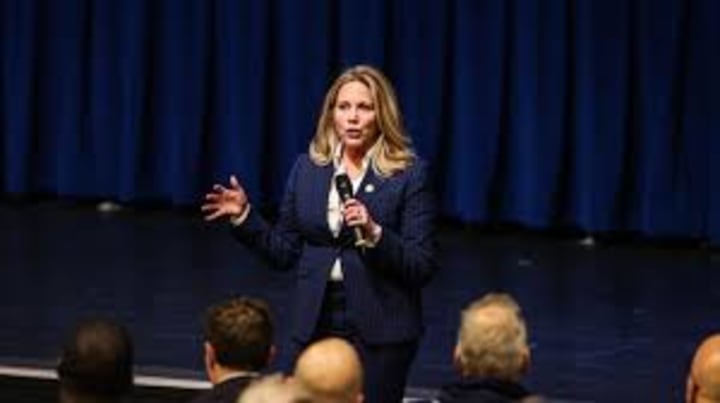
“I’m shocked my colleagues would vote to cut off national and community security funding while leaving ICE operating under the status quo,” Gillen said.
Disaster Relief and Local Concerns
For some Democrats, the vote was driven by district-specific priorities. Rep. Don Davis said reliable disaster-relief funding was central to his decision, citing the growing frequency and severity of storms affecting North Carolina.
“Strong, dependable support for disaster recovery is non-negotiable,” Davis said.
The DHS bill includes billions for FEMA’s Disaster Relief Fund, the Transportation Security Administration, the U.S. Secret Service, and the Coast Guard — agencies lawmakers argued would be directly harmed by funding lapses.

Party Divisions on Immigration Strategy
The vote underscored growing divisions within the Democratic caucus over how to confront Trump’s immigration agenda. While party leadership broadly opposed the bill, some moderates and frontline Democrats argued that outright rejection lacked a realistic path forward and risked collateral damage to unrelated national security and emergency programs.
Republicans, for their part, largely unified behind the measure, portraying it as a necessary step to maintain border enforcement and homeland security operations.
The bill now moves forward as lawmakers continue final negotiations over remaining government funding measures. With immigration tensions escalating and shutdown threats lingering, the DHS vote may foreshadow further intraparty rifts as Congress navigates governance under a divided political climate.

About the Creator
Organic Products
I was born and raised in Chicago but lived all over the Midwest. I am health, safety, and Environmental personnel at the shipyard. Please subscribe to my page and support me and share my stories to the world. Thank you for your time!
Keep reading
More stories from Organic Products and writers in Criminal and other communities.



Comments
There are no comments for this story
Be the first to respond and start the conversation.