
The Hinterkaifeck Murders: The Chilling Mystery That Haunts Germany
In 1922, the tranquil Hinterkaifeck farmstead in Germany became the scene of a gruesome massacre, leaving six people dead and a nation bewildered. The murders of the Gruber family and their maid, filled with eerie clues like unexplained footprints and mysterious sounds in the attic, remain one of Germany's most haunting unsolved crimes. This chilling tale of violence and mystery continues to captivate and puzzle true crime enthusiasts and investigators alike.

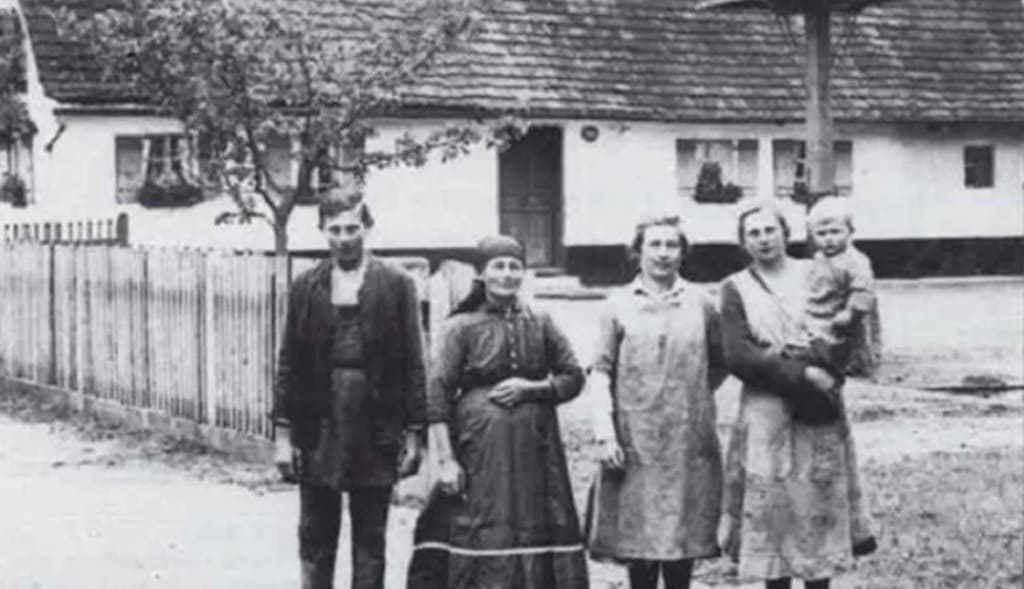
The Hinterkaifeck Murders remain one of Germany's most chilling and baffling unsolved crimes. In 1922, a quiet rural farmstead became the site of a gruesome massacre that claimed six lives and left behind a trail of eerie clues and unanswered questions. This article delves into the grisly details of the Hinterkaifeck Murders, the relentless investigation, and the lasting legacy of this haunting mystery.
A Quiet Farm Turns Deadly
Hinterkaifeck was a small, isolated farm located between the Bavarian towns of Ingolstadt and Schrobenhausen. The farm was home to the Gruber family: Andreas, his wife Cäzilia, their widowed daughter Viktoria Gabriel, Viktoria’s children Cäzilia and Josef, and the family maid, Maria Baumgartner.
On March 31, 1922, Maria began her first day working for the Grubers. Little did she know that this would also be her last. That night, an unknown assailant brutally murdered all six inhabitants of the farm. The bodies of Andreas, Cäzilia, Viktoria, and young Cäzilia were discovered in the barn, while Maria and two-year-old Josef were found inside the house. The victims had been bludgeoned with a mattock, a farm tool, in a horrific and calculated attack.
The Eerie Clues
What makes the Hinterkaifeck Murders particularly unsettling are the strange and eerie clues left behind. In the days leading up to the murders, Andreas Gruber reportedly found strange footprints in the snow leading to the farm but not away from it. He also mentioned hearing footsteps in the attic and discovering an unfamiliar newspaper on the property. Despite these ominous signs, the family chose to remain on the farm.
After the murders, neighbors noticed smoke coming from the farmhouse chimney, indicating that the killer had stayed on the property for several days, tending to the livestock and eating meals in the house. The family dog was also found tied up but unharmed, adding to the sense of eerie calm amidst the chaos.
The Investigation
The investigation into the Hinterkaifeck Murders was extensive but ultimately fruitless. Local police and detectives from Munich scoured the crime scene for evidence, interviewing countless suspects and following numerous leads. Despite their efforts, no definitive culprit was ever identified.
Several theories emerged over the years, ranging from a botched robbery to a crime of passion. Some speculated that Viktoria’s husband, who was believed to have died in World War I, had returned to exact revenge. Others suggested that Viktoria’s rumored affair and the questionable parentage of her son Josef played a role in the motive. However, none of these theories could be conclusively proven.
The Enduring Mystery
As time passed, the Hinterkaifeck Murders became shrouded in legend and speculation. The farm was demolished a year after the murders, and a shrine was erected in its place to commemorate the victims. Despite advancements in forensic science and numerous attempts to reopen the case, the murders remain unsolved to this day.
The story of Hinterkaifeck continues to captivate and haunt the public imagination. Books, documentaries, and podcasts have explored the mystery, each offering their own theories and interpretations. The case serves as a grim reminder of the capacity for violence and the persistence of unanswered questions in even the most remote and seemingly peaceful settings.
Resilience in the Face of Horror
While the Hinterkaifeck Murders are a tale of horror, they also highlight the resilience of the surrounding community. The neighbors who discovered the bodies and the investigators who tirelessly pursued justice displayed remarkable strength and determination. Their efforts, though ultimately inconclusive, underscored the importance of community solidarity and the relentless pursuit of truth.
A Legacy of Lessons
The Hinterkaifeck Murders have left a lasting impact on criminal investigations and the collective psyche. The case highlights the necessity for meticulous evidence gathering and the challenges of solving crimes in isolated areas. It also underscores the enduring human fascination with the unknown and the quest for answers in the face of mystery.
To conclude, the Hinterkaifeck Murders remain one of the most chilling and enduring mysteries in criminal history. The gruesome killings, eerie clues, and relentless yet fruitless investigation have captivated generations, serving as a haunting reminder of the darkness that can lurk within even the most seemingly peaceful places. While the mystery remains unsolved, the resilience of the community and the enduring quest for truth continue to inspire and intrigue.
About the Creator
Jane Doe
As a passionate storyteller, I captivate readers with engaging, well-researched articles across genres from criminality and poems to lifestyle and more....
Join me for insights, tips, and narratives that inform and entertain.
Investigating Associated Building Inspections Ephrata Complaints: The Private Company with Public Power
INVESTIGATION TARGET: ASSOCIATED BUILDING INSPECTIONS, LLC (ABI) HQ LOCATION: 1248 WEST MAIN STREET, SUITE 23, EPHRATA PA 17522 ROLE: THIRD-PARTY CODE ENFORCEMENT ALLEGATION: SELECTIVE ENFORCEMENT / GROSS NEGLIGENCE KEYWORDS: #EphrataCodeEnforcement #ABI #PublicSafetyFailure
By Sunshine Firecracker3 days ago in Criminal
Smart phones, Humans and Aliens.
WARNING. I will be tapping into one of your favorite creative tensions: The absurdity of humans worshipping their glowing rectangles as if they were tiny oracles. There’s something deliciously poetic about that contradiction, and it lends itself beautifully to an instructive proviso.
By Novel Allen4 days ago in Poets


Comments
There are no comments for this story
Be the first to respond and start the conversation.