
I Didn’t Feel Like a Criminal
I Felt Like Someone Who Was Running Out of Choices

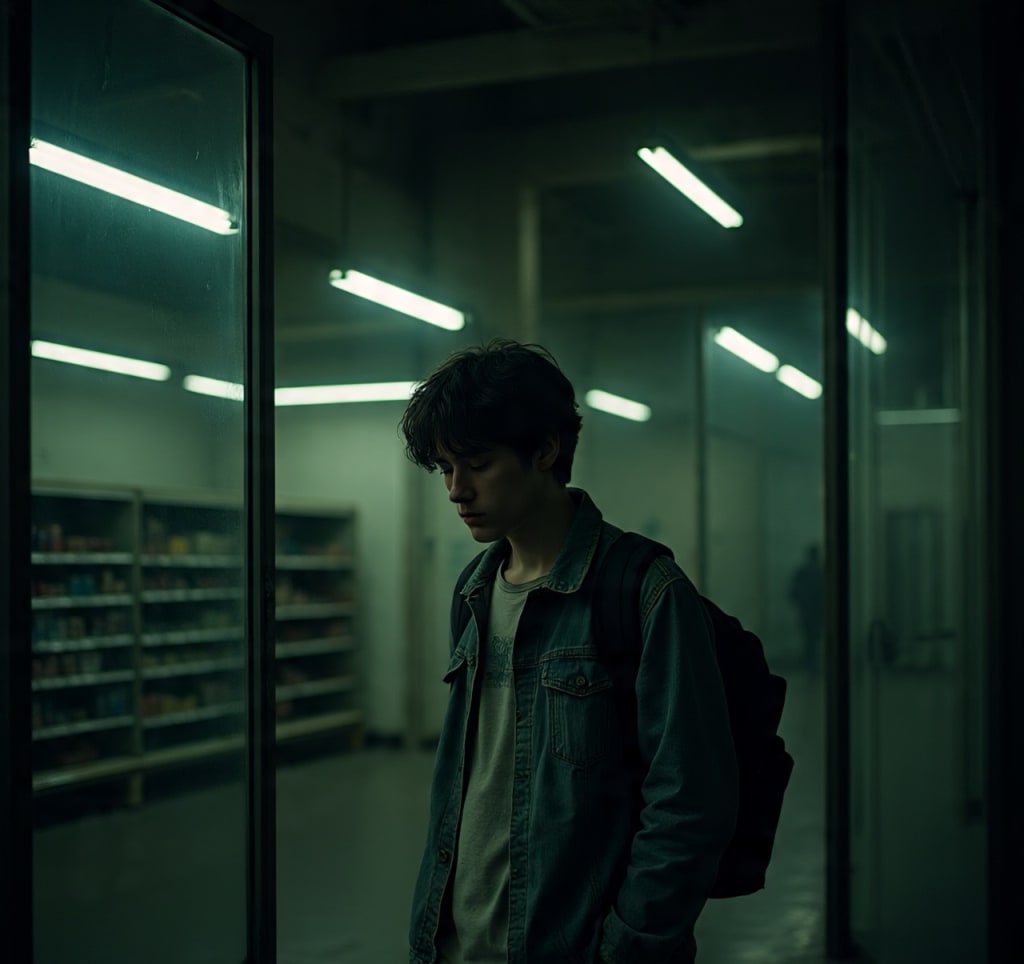
I didn’t feel like a criminal.
Criminals, I thought, were loud in their wrongdoing—reckless, intentional, almost proud of the harm they caused. They wore guilt like a jacket they could take off at the door. They planned. They rehearsed. They crossed lines with a sense of certainty.
What I felt was quieter than that.
I felt tired.
The kind of tired that doesn’t come from lack of sleep, but from carrying too many unanswered questions. From doing the math in your head every night and realizing it never balances. From being told, over and over, that if you just work harder, things will improve—while watching them stay exactly the same.
The day it happened was ordinary. That’s the part people never expect. No dramatic music, no storm clouds gathering overhead. Just fluorescent lights and the low hum of a place that sold everything except relief. I stood there longer than necessary, pretending to browse, pretending to think. My reflection in the glass looked like someone else—someone smaller, someone unsure.
I remember noticing my hands. How steady they were. That surprised me. I had imagined shaking, panic, some physical sign that I was doing something wrong. Instead, my body behaved as if this were just another task on a long list of things that needed to be done.
That’s when it scared me.
Because I didn’t feel like a criminal. I felt like a person solving a problem.
People talk about crime as if it begins with bad intentions. But mine began with need—plain, unglamorous need. Rent that didn’t wait. Groceries that couldn’t be postponed. A life that had narrowed until there were only two options left, and neither felt clean.
I crossed the line so quietly I almost didn’t hear it snap.
Afterward, I walked outside and the world kept going. Cars passed. Someone laughed too loudly. The sky didn’t fall. No alarms screamed my name. That, somehow, made it worse. The normalcy of it all pressed against my chest. If the universe didn’t notice, did that mean it wasn’t real? Or did it mean it had become too common to matter?
I carried the moment with me for weeks. Not as fear—fear would have been easier—but as a dull ache. A small, persistent voice asking, Is this who you are now?
I learned something uncomfortable during that time: guilt doesn’t always arrive on time. Sometimes it waits until you’re alone, until you’re safe enough to feel it. Sometimes it hides behind justification and survival and practicality, only stepping forward when you finally stop running.
I didn’t feel like a criminal because I didn’t see myself as someone who wanted to take. I saw myself as someone who was being taken from—slowly, invisibly, by a system that measures worth in numbers and patience in suffering.
That doesn’t make what I did right. I know that.
But it makes it human.
We like our stories clean. Good people on one side, bad people on the other. Lines drawn thick and permanent. But life is mostly smudges. People living in the gray, making choices they never imagined making, not because they lost their morals—but because they ran out of room.
I still think about that moment sometimes. Not with pride. Not with shame alone either. I think about it as a reminder of how close anyone can get to an edge without realizing it exists.
I didn’t feel like a criminal.
I felt like someone who needed help and didn’t know how to ask for it.
And maybe that’s the part we should be paying attention to.
I didn’t feel like a criminal
About the Creator
Luna Vani
I gather broken pieces and turn them into light
Who Was The Lady in Room 2805?
Jennifer Fairgate, a friendly woman who spoke with a German accent, checked into Room 2805 at the Oslo Plaza Hotel in Norway on May 31, 1995. She arrived alone and paid for the room in cash. Hotel staff did not request identification.
By Criminal Matters3 days ago in Criminal
The Murder Sheet Podcast links TX killing To KY Cold Case
At a time when violent crimes are at historical lows (despite what the current administration claims), there are more true-crime podcasts, books, TV shows, and general interest in the genre. True-crime podcasts are extremely expensive to make because of research costs, public records requests, potential investigator fees, out-of-studio recording costs, and production expenses.
By Frank Racioppi4 days ago in Criminal



Comments
There are no comments for this story
Be the first to respond and start the conversation.