
The Grim Sleeper: The Elusive Serial Killer Who Terrorized Los Angeles
In the mid-1980s, South Los Angeles was gripped by fear as a series of brutal murders targeted vulnerable women. The elusive predator behind these heinous acts, later known as the Grim Sleeper, managed to evade capture for over two decades, leaving a trail of terror in his wake.

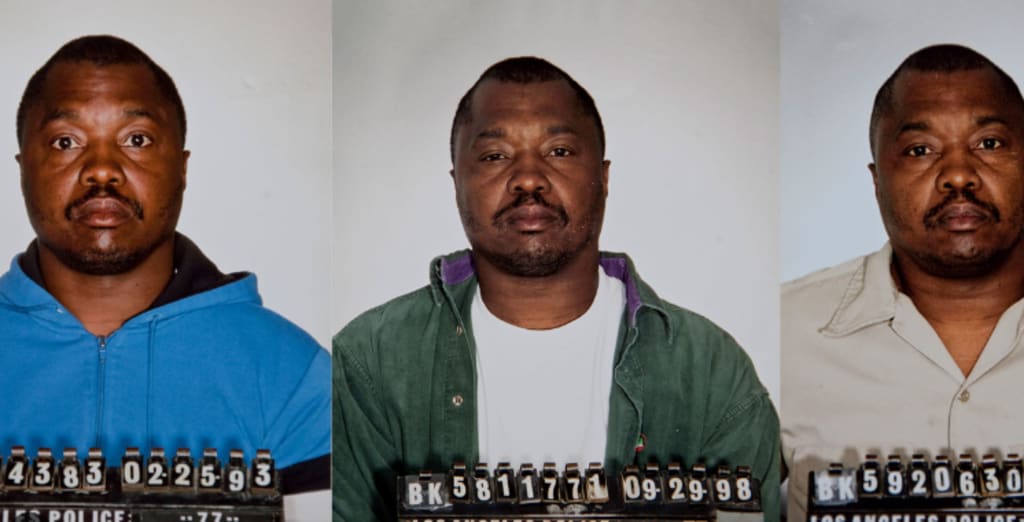
The story of the Grim Sleeper, one of the most notorious serial killers in American history, is a chilling tale of horror and justice. Lonnie David Franklin Jr., dubbed the Grim Sleeper, evaded capture for over two decades while preying on vulnerable women in Los Angeles. This article explores the grim details of Franklin’s crimes, the relentless pursuit by law enforcement to bring him to justice, and the resilience of the community affected by his reign of terror.
The Unveiling of a Monster
Lonnie David Franklin Jr. began his killing spree in the mid-1980s, targeting women in South Los Angeles. His modus operandi was disturbingly consistent: he would approach women, often sex workers or drug addicts, and lure them into his vehicle. Once they were isolated, he would sexually assault and then shoot or strangle them, leaving their bodies in alleys, dumpsters, or abandoned buildings.
Franklin's nickname, the Grim Sleeper, was coined due to an apparent hiatus in his killing between 1988 and 2002. However, this pause in his activity was later questioned, as it is believed he may have continued to kill during this period, but his crimes went undetected. The sheer brutality and methodical nature of his murders instilled fear in the local community, and for years, residents lived in the shadow of an unknown predator.
The Relentless Pursuit of Justice
Despite the fear and despair caused by the Grim Sleeper, law enforcement never gave up on bringing him to justice. The initial investigations in the 1980s were hampered by a lack of technology and resources, as well as a societal disregard for the lives of marginalized women. However, advancements in forensic science, particularly DNA analysis, provided a breakthrough that would eventually lead to Franklin's capture.
In 2001, a task force known as the 800 Task Force was formed to re-investigate the murders. This team of dedicated detectives and forensic experts re-examined old evidence and reviewed cold cases in search of connections. The pivotal moment came in 2008 when DNA from one of the crime scenes was matched to Franklin’s son, who had been arrested on an unrelated charge. This familial DNA match pointed investigators to Franklin, ultimately leading to his arrest in 2010.
The Long Road to Justice
The arrest of Lonnie David Franklin Jr. marked a significant milestone in the pursuit of justice for the Grim Sleeper’s victims. However, the road to conviction was arduous and filled with challenges. Franklin was charged with ten counts of murder and one count of attempted murder, although it is believed he may have killed many more women during his decades-long spree.
During the trial, the prosecution presented overwhelming evidence, including DNA matches, ballistics, and photographs found in Franklin’s possession that depicted numerous women, some of whom were never identified. The trial brought to light the horrifying extent of Franklin’s crimes and the pain endured by the victims’ families.
In 2016, Lonnie David Franklin Jr. was found guilty on all counts and was sentenced to death. The conviction brought a sense of closure and justice to the families of the victims and the community that had been haunted by the Grim Sleeper for so long. Franklin's death in 2020 while on death row closed the chapter on his life, but the impact of his crimes continues to resonate.
Resilience and Community Strength
The story of the Grim Sleeper is not only one of terror and tragedy but also one of resilience and strength. The families of the victims displayed incredible courage and determination throughout the years of investigation and trial. Their unwavering advocacy for justice ensured that the memory of their loved ones was honored and that Franklin’s crimes did not go unpunished.
The community of South Los Angeles, despite being plagued by fear, rallied together to support each other and demand justice. The case highlighted systemic issues, such as the treatment of marginalized women and the initial indifference of law enforcement, prompting discussions about societal change and the importance of valuing every life.
A Legacy of Change
The Grim Sleeper case has left a lasting legacy on the criminal justice system and the community it affected. It underscored the importance of advanced forensic technology in solving cold cases and the need for continuous efforts to address and rectify systemic biases in law enforcement.
Additionally, the case inspired changes in how serial crimes are investigated, emphasizing the importance of inter-agency cooperation and the utilization of familial DNA searches. These advancements have since helped solve other cold cases and bring closure to grieving families.
To conclude the tale of the Grim Sleeper, Lonnie David Franklin Jr., is a harrowing reminder of the darkness that can lurk within a community. Yet, it is also a testament to the resilience and relentless pursuit of justice by law enforcement and the victims' families. Despite the fear and tragedy that Franklin inflicted, their collective strength and determination ensured that he was held accountable for his heinous crimes. The legacy of the Grim Sleeper case continues to influence the pursuit of justice, highlighting the power of resilience and the enduring quest for truth and closure.
About the Creator
Jane Doe
As a passionate storyteller, I captivate readers with engaging, well-researched articles across genres from criminality and poems to lifestyle and more....
Join me for insights, tips, and narratives that inform and entertain.
Push To Prevent Catapults Being Bought By Children
MP’s have been warned to put new legislation in place that will help to close a loophole in the law which allows people including children to legally buy weapons which is capable of killing wildlife. The alert was issued during a briefing in parliament which set out growing evidence that catapults were being misused against animals and to damage other people’s private property. The Naturewatch Foundation who hosted the session expanded on their message that at the moment there is a completely unregulated system where people of any age can buy weapons and there are no meaningful controls on sale or power.
By Ashish Prabhu5 days ago in Criminal


Comments
There are no comments for this story
Be the first to respond and start the conversation.